



Markets
September 14, 2026
Fed, ECB and BOJ May Hike Together as $2.35T Carry Trade Faces Test

Hong Kong has started issuing its first stablecoin license. This gives a clear picture of how the city plans to regulate fiat-backed crypto. The move comes as stablecoin regulation is evolving across the globe. Different regions have been taking different approaches. While Hong Kong is moving ahead with approvals, regulators in the US and Europe are focusing on tighter rules and potential risks.
Also Read: Congress Has Been Beating the Stock Market by 112% and the Fine Is $200

The Hong Kong Monetary Authority has granted its first licenses to HSBC and Anchorpoint Financial. This joint venture is backed by Standard Chartered, Animoca Brands, and Hong Kong Telecommunications. The approvals mark the first batch under the city’s new framework, which took effect in 2025.
Under the new framework, issuers need to fully back their stablecoins with reserves and allow users to redeem them at face value. They also have to meet basic governance and anti-money laundering requirements. The HKMA has said it plans to approve only a small number of issuers at the start.
The rollout follows earlier delays, with officials previously indicating that licenses could be issued in March. The final approvals came later, after weeks of speculation about which firms would be selected.
Also Read: Iran War Accelerates De-Dollarization as Russia Fills the Energy Vacuum
In the United States, policymakers are working on stricter stablecoin regulation. This includes rules that require issuers to hold 1:1 reserves and limit certain activities. The aim is to bring stablecoins closer to existing financial standards.
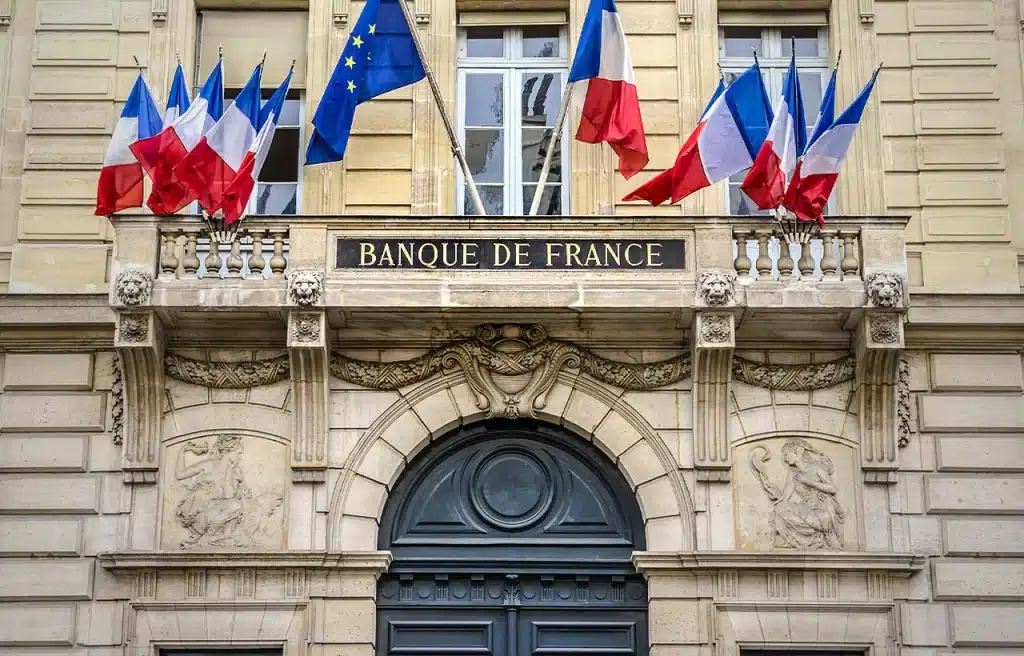
European officials have raised separate concerns. Denis Beau of the Bank of France said the growing use of stablecoins could lead to “stablecoinization” and “dollarization” of payment systems.
The approaches are not the same, but they point to the same issue. Stablecoins are moving further into the financial system. Meanwhile, regulators are deciding on how much control they want to keep.
Also Read: Crypto Regulation Gets Real: GENIUS Act Rules Land, CLARITY Act on Deck

Written by Sahana Kiran
Sahana Kiran has been covering financial markets since 2019, with a focus on cryptocurrencies, fintech, and the geopolitical events shaping them. She previously reported for AmbCrypto and Watcher Guru, and now writes for BlockNow.