







Bitcoin
March 31, 2026
Google’s Quantum Findings Put Bitcoin Security on a 10-Minute Clock
Institutions just pulled off one of the most aggressive equity exits in years. Between March 3 and 10, asset managers dumped $36.2 billion in S&P 500 futures. This biggest weekly sell-off outpaced even the 2020 crash levels. At the same time, money is subtly moving back into Bitcoin (BTC), with fresh institutional inflows picking up again. BlackRock was seen stepping in with a $139 million buy.
Also Read: Iran Earns $140M a Day as US Turns Blind Eye and Bloomberg Models $164 Oil

This isn’t an isolated selling event. Goldman Sachs told its clients that hedge funds are also dumping financial stocks in the week to March 13. This is the most sold sector globally this year. Bearish bets on banks, insurers, and trading firms have climbed to levels last seen nearly a decade ago. The sell-off comes amid growing concerns on Wall Street, with Goldman Sachs warning of further stock losses as macroeconomic risks persist.
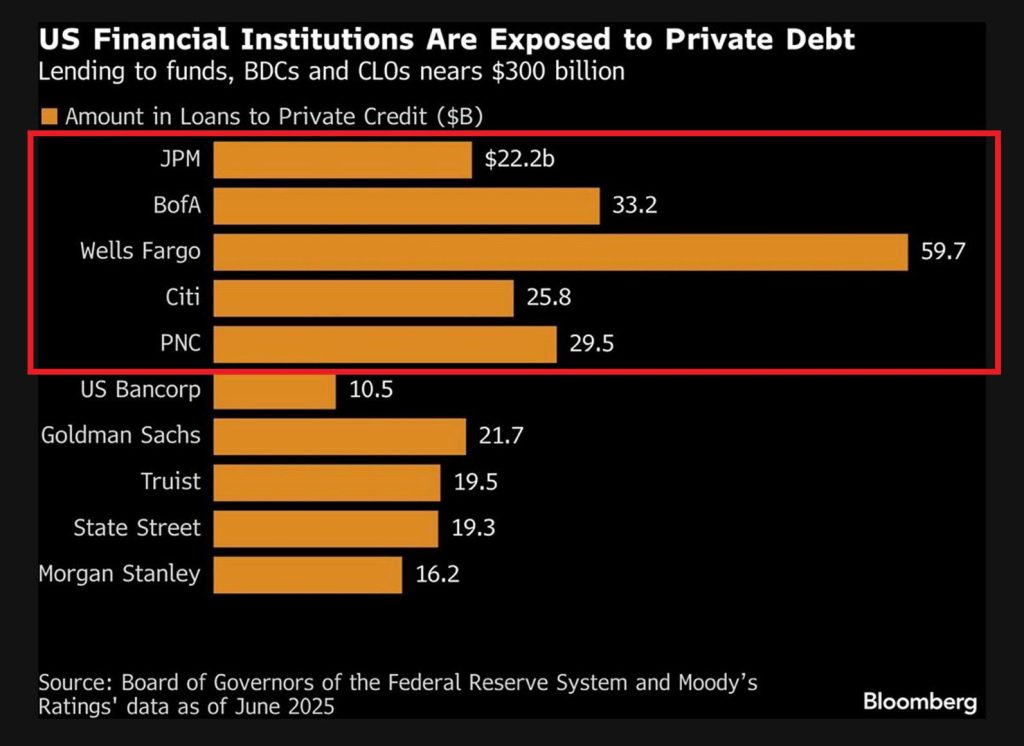
The reasons aren’t hard to piece together. Private credit stress, tighter liquidity, and geopolitical tensions have put the market in a place that is less predictable than it previously was. But the more interesting shift isn’t limited to equities.
Also Read: Tesla and LG Energy to Build $4.3B LFP Factory for Megapack 3
While funds were reducing exposure to stocks, BlackRock’s Bitcoin ETF managed to add about $139 million in a single day. This comes weeks after muted activity as a result, these inflows stand out.
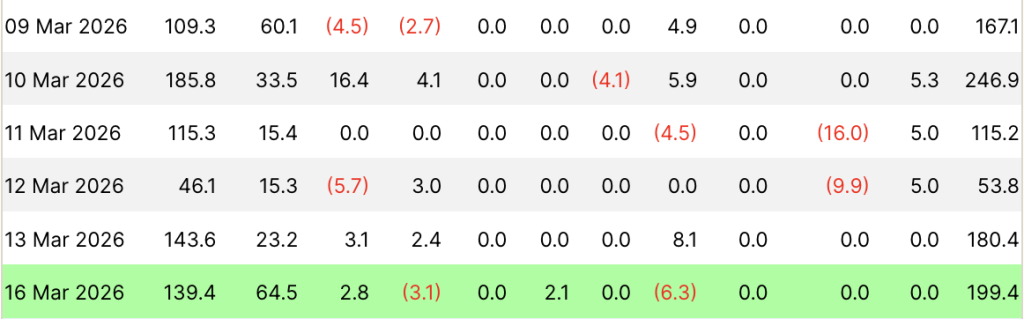
It should be noted that institutional demand has remained strong, especially after Abu Dhabi’s $1 billion allocation into BlackRock’s Bitcoin ETF.
Then there is the Bitcoin IFP signal. According to recent data, it flipped bullish again. This means liquidity is starting to move between exchanges and is often driven by larger players repositioning rather than retail chasing momentum. This has shown up before in 2016, just before the 2017 rally, again in 2019, before liquidity returned to the crypto market. Lastly, in 2023, after the cycle bottom, institutional participation began recovering.
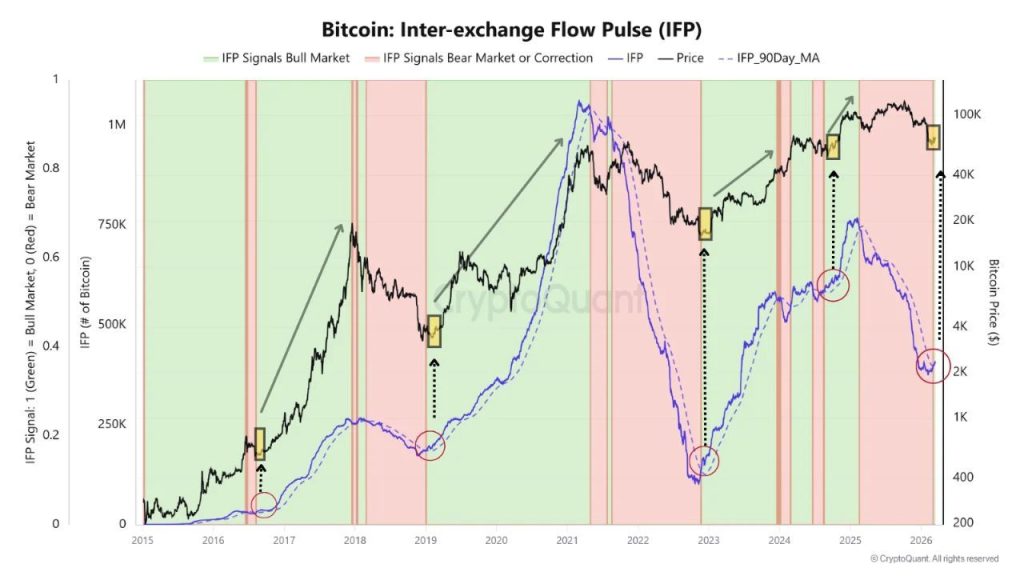
The latest move comes after most of 2025 saw relatively muted flows between exchanges. Even though the capital was there, it wasn’t moving much.
It’s not just about selling but also about where the money is going next. Institutions are cutting exposure to stocks, but they are not sitting in cash. Bitcoin flows are picking up again, and liquidity is starting to move. This is still early, but the shift is visible and is happening in real time.
Also Read: Millions of Americans Are Owed IRS Pandemic Refunds and Most Have No Idea