




General Crypto
March 20, 2026
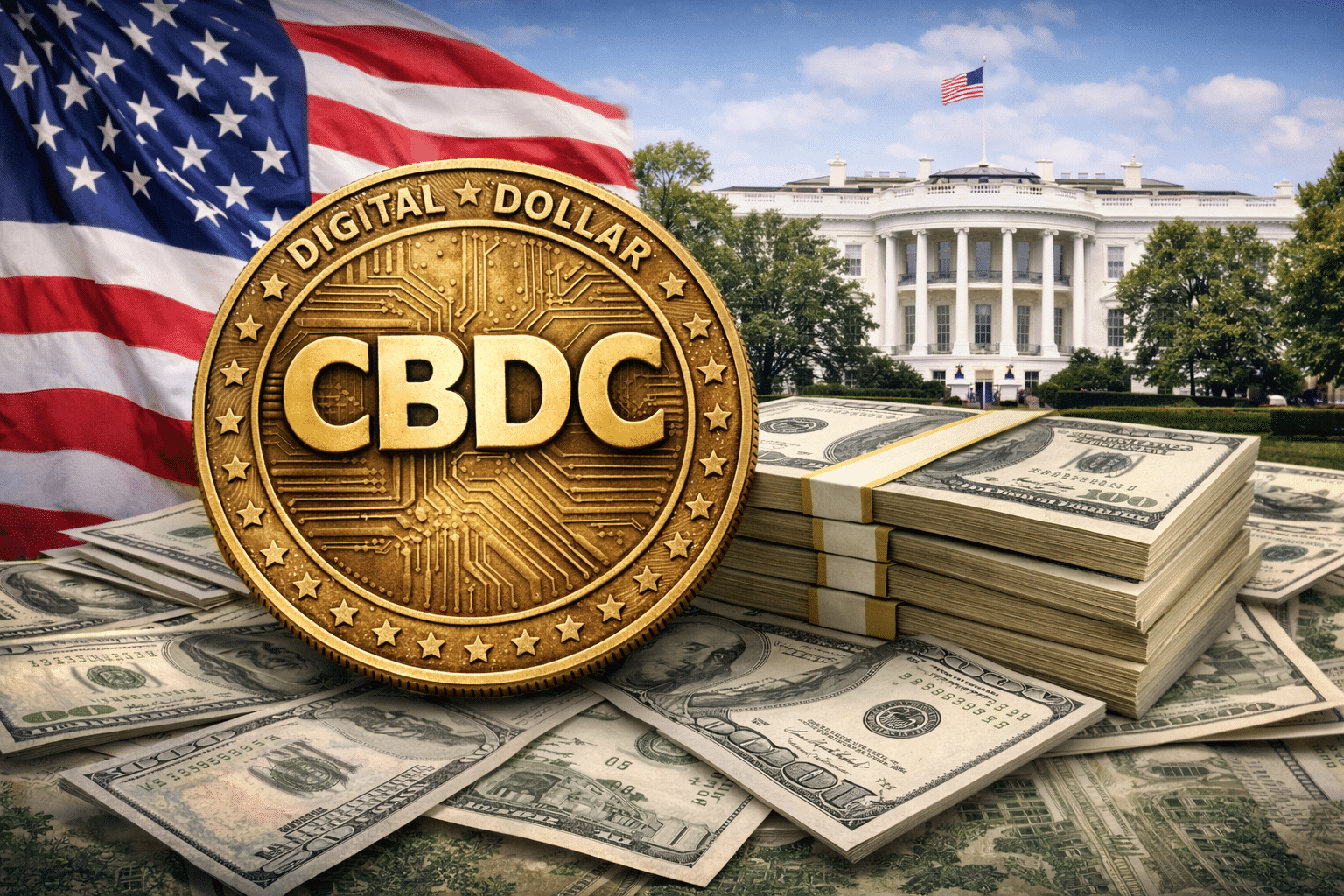
The US Senate has moved to block the creation of a federal digital dollar until the end of 2030. In an 84-6 procedural vote, lawmakers agreed to move forward with the 21st Century ROAD to Housing Act, a blanket housing package that focused mainly on housing supply and affordability amidst the US CBDC ban. This measure would prevent the Federal Reserve from issuing a central bank digital currency, directly or indirectly, through December 31, 2030. The latest move is part of a 303-page bill.
The 21st Century ROAD to Housing Act was put forth by Committee Chairman Tim Scott and Ranking Member Elizabeth Warren. Other Republican and Democratic members are also part of this committee.
Also Read: Peter Thiel Plans $280M Palantir (PLTR) Share Sale Set for 2026

The CBDC provision is brief but direct. It bars the Fed from creating a digital dollar or any similar digital asset. The US CBDC ban expires at the end of 2030.
The bill read,
“The Board of Governors of the Federal Reserve System or a Federal Reserve Bank may not issue or create a central bank digital currency or any digital asset that is substantially similar to a central bank digital currency directly or indirectly through a financial institution or other intermediary.”
There is one exception. The US CBDC ban, however, allows dollar-denominated currencies that are open, permissionless, and private, but they are expected to preserve the privacy protections that come with physical cash. This factor is seen as favorable to private stablecoin issuers and tokenized dollar platforms. It also means that firms building crypto settlement mediums and Ripple-style bank models now have a five-year window with no federal digital dollar competitor entering this particular area.
Also Read: PayPay, 40% Owner of Binance Japan, Targets Nasdaq IPO
The White House showed support in a Statement of Administration Policy. They cited privacy and civil liberty concerns tied to central bank digital currencies.
The latest bill, however, has its focus on housing. Elaborating on the bill, Scott said,
“Not only is this bill about cutting regulatory red tape, lowering costs, and expanding housing supply while generating no new spending, but it’s about making sure people like the single mom who raised me in North Charleston, South Carolina, have even greater access to economic opportunity and the American dream of homeownership.”
It should be noted that the digital dollar freeze comes as the Federal Reserve has continued to study CBDCs. But it has not committed to issuing one. In a 2022 discussion paper, the Fed outlined potential benefits and risks of a US digital currency. They did not endorse its launch.
With the Senate CBDC bill now moving forward, the direction of crypto regulation in the US appears clearer for the next several years.
Also Read: Morgan Stanley’s Crypto Bank Move Validates Ripple’s Regulatory Lead