



BRICS
March 23, 2026
BRICS, G7 & NATO Split on Iran, Energy Crisis Equal to 70s Oil Shocks
China’s de-dollarization shift is moving faster than most expected. As a global energy crisis disrupts dollar-centric trade routes, China is the one major economy turning the chaos into an advantage, expanding exports, securing oil flows, and quietly pushing non-USD trade further into the mainstream. The Strait of Hormuz is under pressure, oil markets are in turmoil, and Beijing is absorbing it all.
Also Read: Trump Unveils $300B Texas Refinery by India’s Reliance, First US Plant in 50 Years
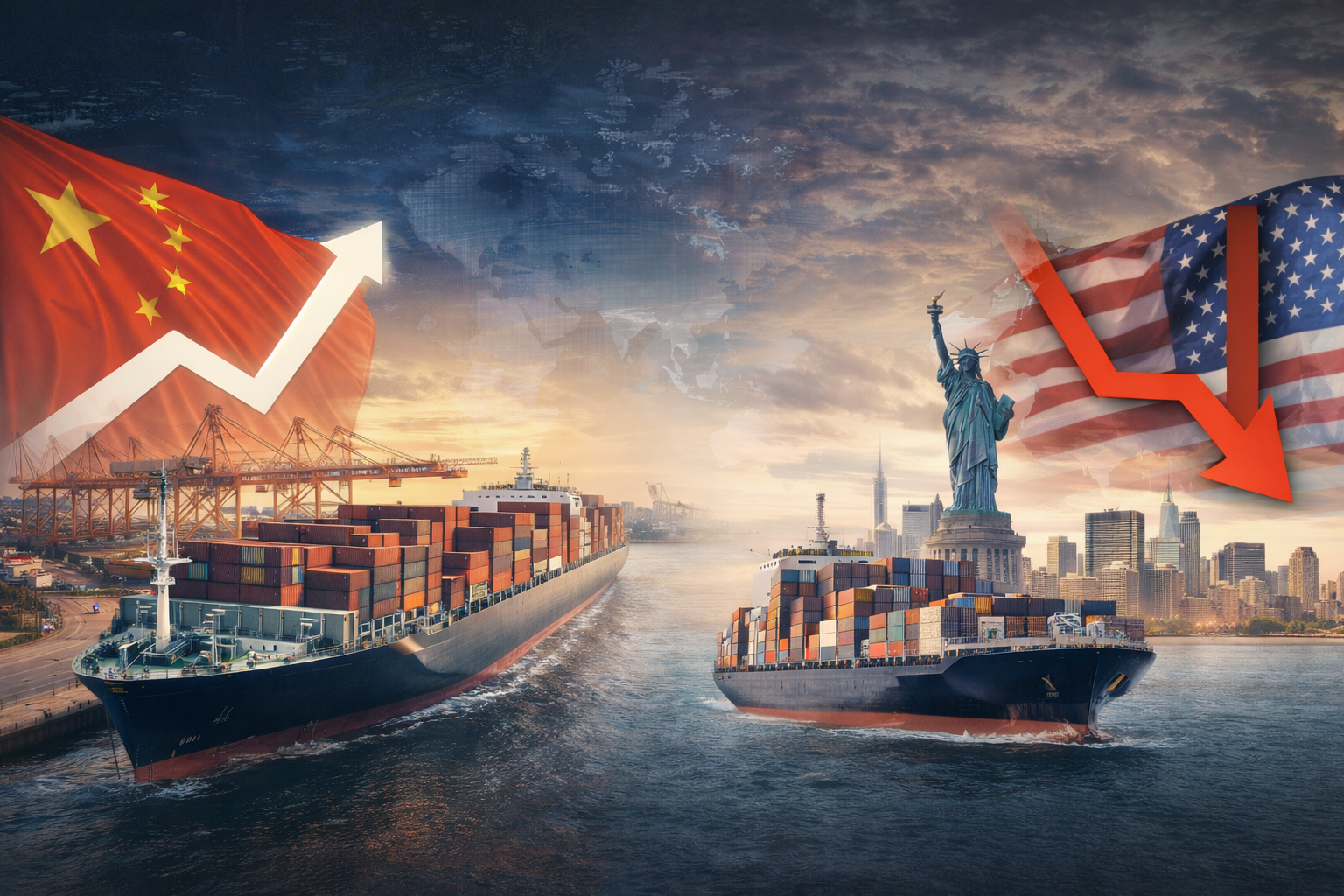
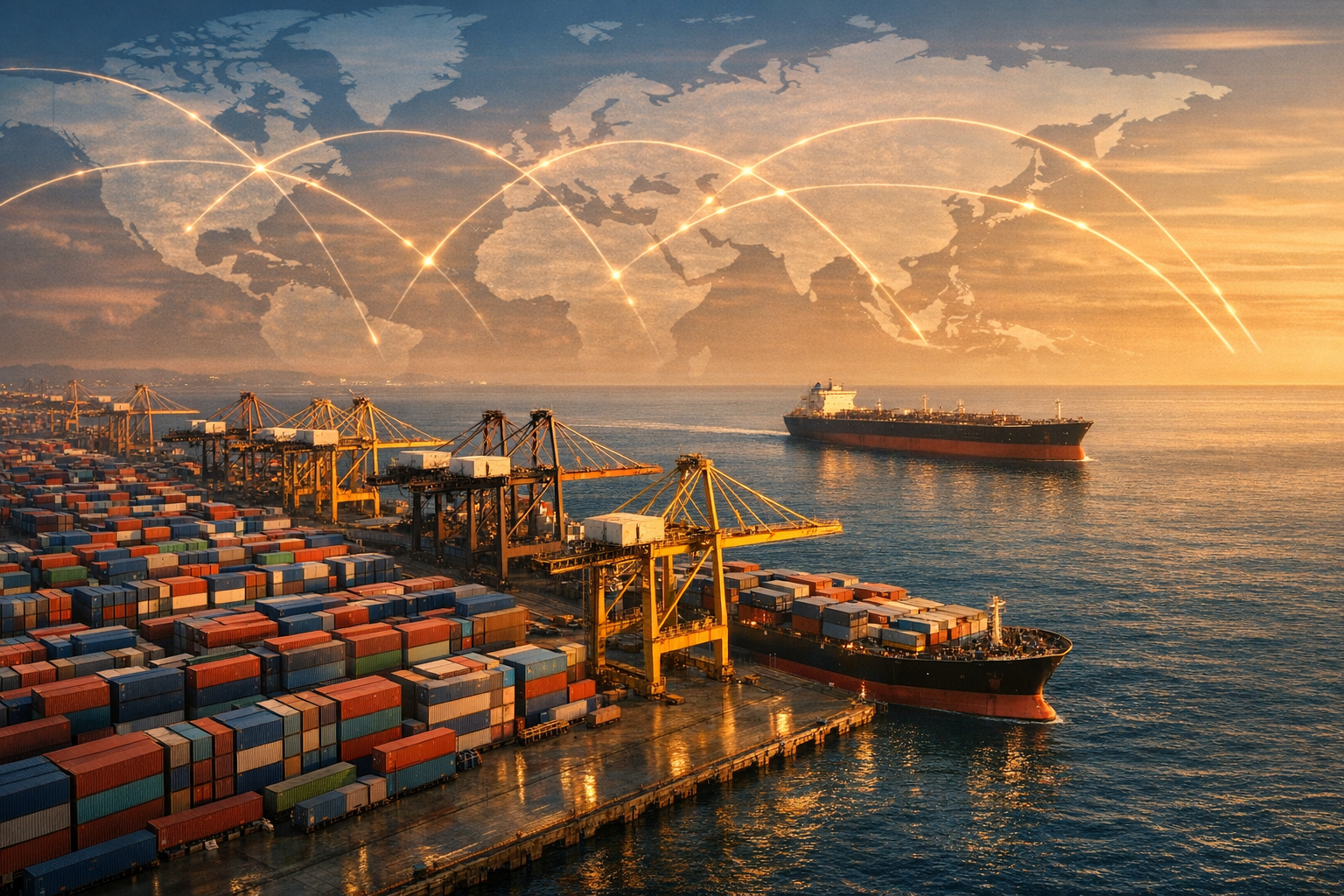
Chinese exports rose 21.8% year-on-year in January 2026, with imports up 19.8% over the same period, capping what Reuters called a record-breaking year. Buyers across the world have been front-loading orders ahead of further tariff pressure, and Chinese manufacturing has been running at full capacity to meet that demand.
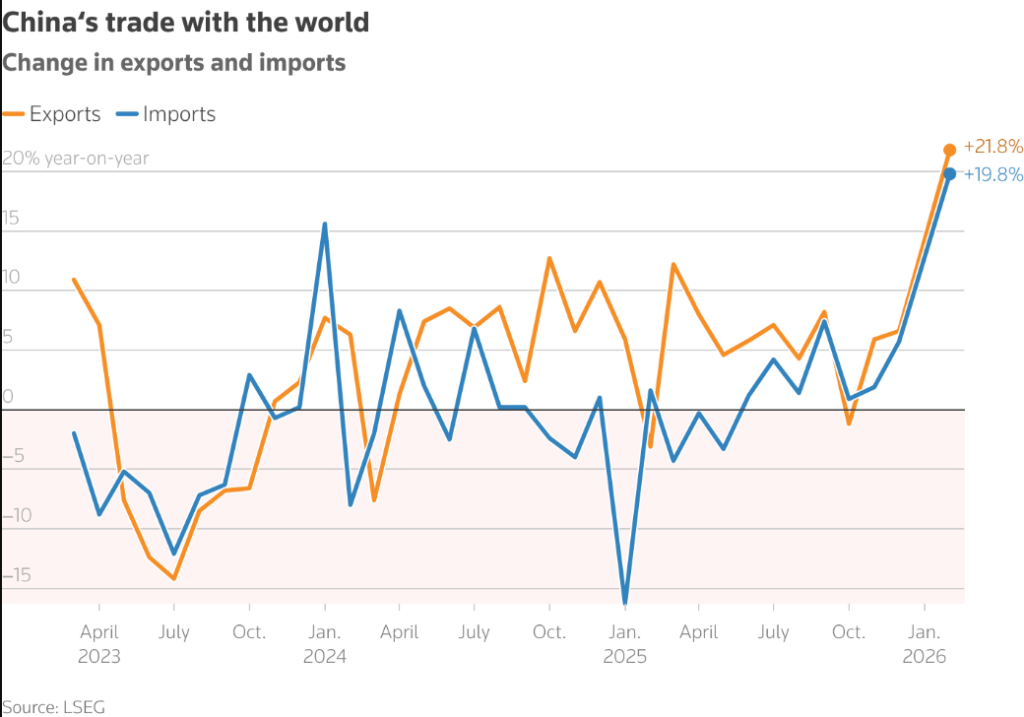
With the yuan being used more frequently in bilateral trade settlements, particularly among countries looking to reduce dollar exposure, each new export record also pushes non-USD trade volumes higher. The China export surge isn’t just a trade story. It’s feeding directly into the broader de-dollarization shift.
The Strait of Hormuz moves around 30% of global seaborne oil trade and 20% of global LNG, with 80% of that LNG heading to Asia. War in the region has made the waterway increasingly dangerous, and the US Navy has now confirmed that Hormuz escorts are not possible for now, leaving commercial shipping to navigate the chokepoint without protection.
Iran is still getting oil to China despite the disruption, though volumes have dropped significantly. Shipments are estimated at around 1.2 million barrels per day, down from a pre-war 2.16 million bpd.
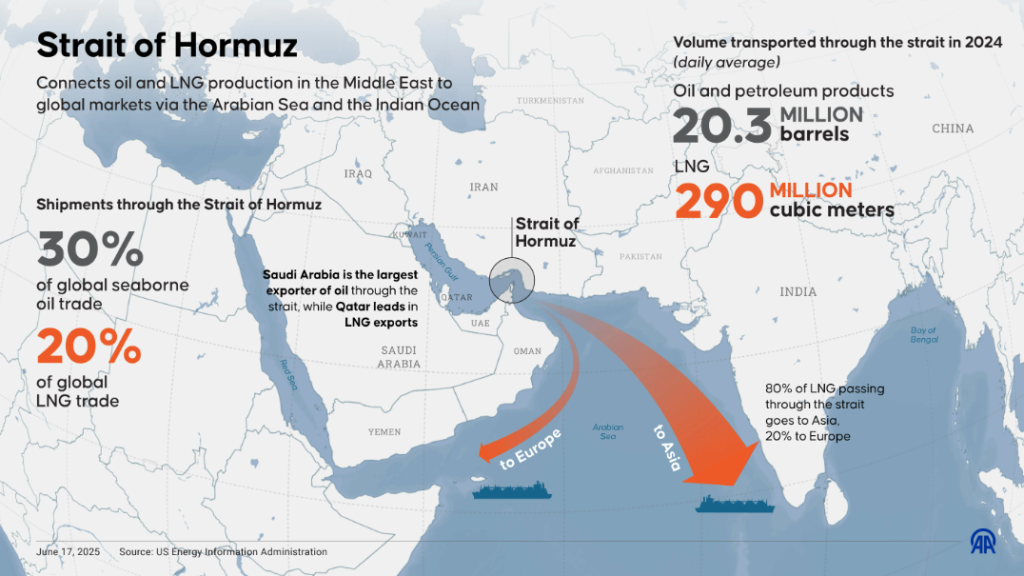
Iranian-flagged tankers frequently go dark, disabling AIS tracking, and crews are rerouting some cargoes through the Jask terminal on the Gulf of Oman to bypass the strait entirely. China remains Iran’s top buyer, and the de-dollarization shift is visible even here, with both sides conducting negotiations over safe passage entirely outside any dollar-backed security framework.
Also Read: Goldman Sachs Holds $154M in XRP ETFs as Undisclosed ‘Superfan’ Investors Surge
Oil prices have surged roughly 60% since December, and the pressure is now hitting the system at the institutional level. The IEA held an emergency meeting and proposed releasing between 300 million and 400 million barrels onto the market, a figure that would easily exceed the previous record of 182 million barrels set in 2022.
Member nations currently hold around 1.2 billion barrels in emergency reserves, and the vote, which needs to be unanimous, was expected by Wednesday. It is worth noting that this emergency response is itself a marker of how far the global energy crisis has destabilized the dollar-centric oil market, creating the exact conditions that accelerate China’s de-dollarization shift.
A single veto would stall the entire release. Even if it goes through, it addresses prices, not the underlying oil market disruption. Countries already paying a premium for energy security are now moving toward yuan-settled contracts and bilateral deals outside dollar-dominated systems, and that pressure is only building.
The global energy crisis didn’t create China’s de-dollarization ambitions, but it is accelerating them faster than any policy announcement could.
Also Read: Morgan Stanley Warns on 60/40 as IRGC General Akhtari Signals $150 Oil