

Markets
April 9, 2026
Strait of Hormuz Has a Ceasefire, a $2M Toll, and 800 Ships Still Stuck
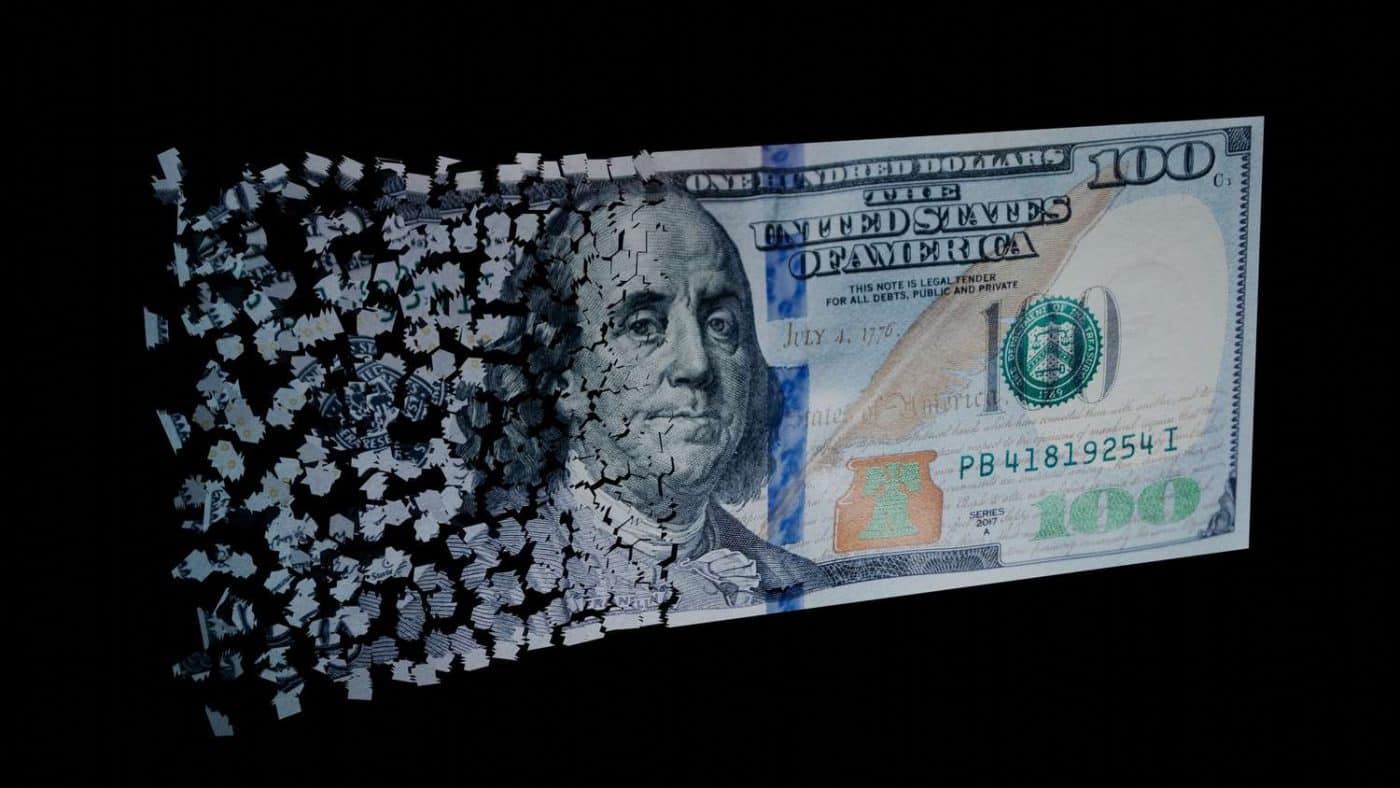
The Iran war’s impact is starting to show up in places beyond oil prices. There are early signs of de-dollarization picking up pace. Particularly, in how central banks are managing reserves and how energy trade is being settled. Since late February, foreign central banks have reduced their holdings of US Treasuries, while the petrodollar system that has supported global dollar demand for decades is facing some pressure.
Also Read: New Report Ties Bitcoin Creator Identity to Blockstream CEO Adam Back
Foreign central banks have sold around $82 billion in US Treasuries since February 25. This is bringing holdings at the New York Fed down to about $2.7 trillion, the lowest level since 2012. In past crises, Treasuries usually saw inflows. This time, some countries appear to be selling to support their currencies as oil prices rise.
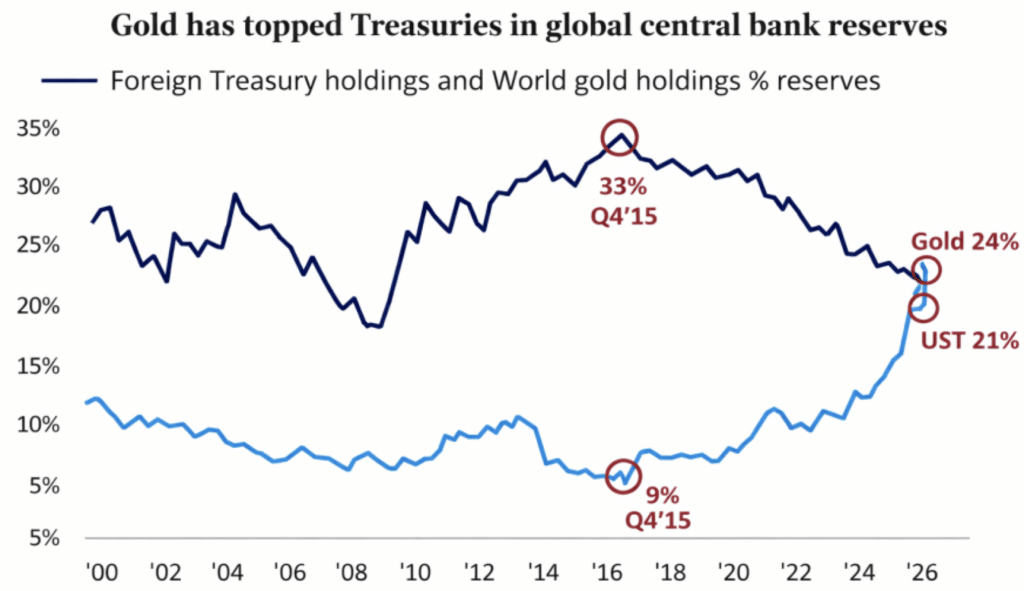
At the same time, central bank’s gold demand has remained steady. Purchases have continued for 23 straight months. Data from the World Gold Council shows net buying of around 19 tonnes in February. Poland added about 20 tonnes. Meanwhile, China extended its buying streak and. this has taken its total holdings above 2,300 tonnes. Gold now accounts for a larger share of global reserves than US Treasuries.
Also Read: Shiba Inu & XRP Land on Rakuten Wallet as SHIB Pockets 4% Gains
On the energy side, Russia LNG exports are being redirected. According to reports, cargoes from sanctioned projects are being offered to South Asian buyers at discounts of up to 40%. These are often routed through intermediaries.
The overall impact is showing up in how the petrodollar system is functioning. A Bloomberg Opinion piece noted that the usual flow, where oil revenues are reinvested into US assets, has weakened under current conditions. Importing countries are drawing down reserves. Meanwhile disruptions in supply are affecting the revenues of exporters.
There are also reports, that some transactions linked to Hormuz are being explored in yuan or stablecoins. The dollar remains dominant in global trade and reserves. But recent moves suggest that some countries are gradually diversifying, in reposone to geopolitical risk.
Also Read: Atkins Confirms Crypto Regulation Safe Harbor Is One Step From Going Live