



Markets
April 3, 2026
Powell Says the Debt Path Is Broken as Trump Adds $1.5T to the Pentagon
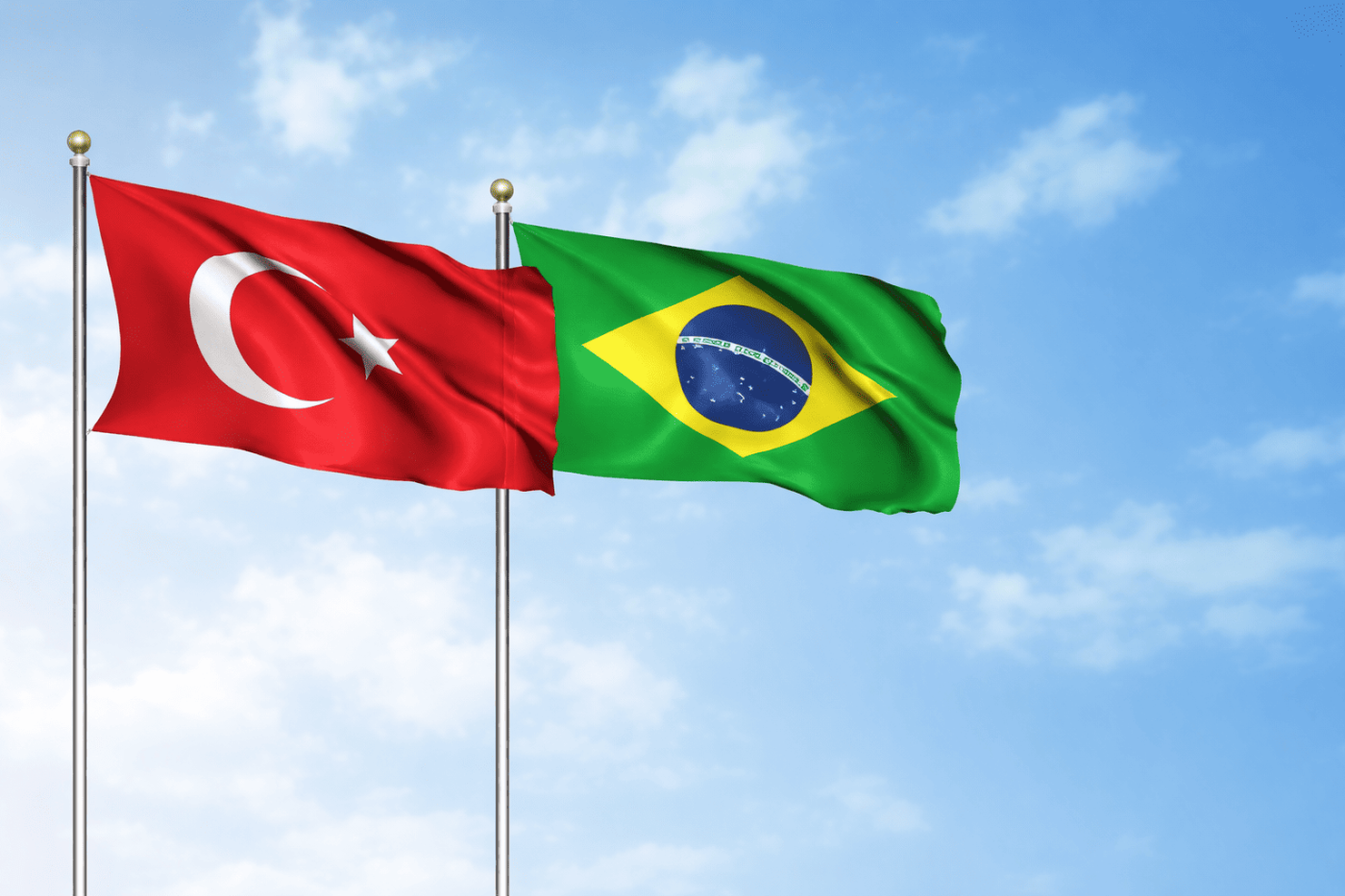
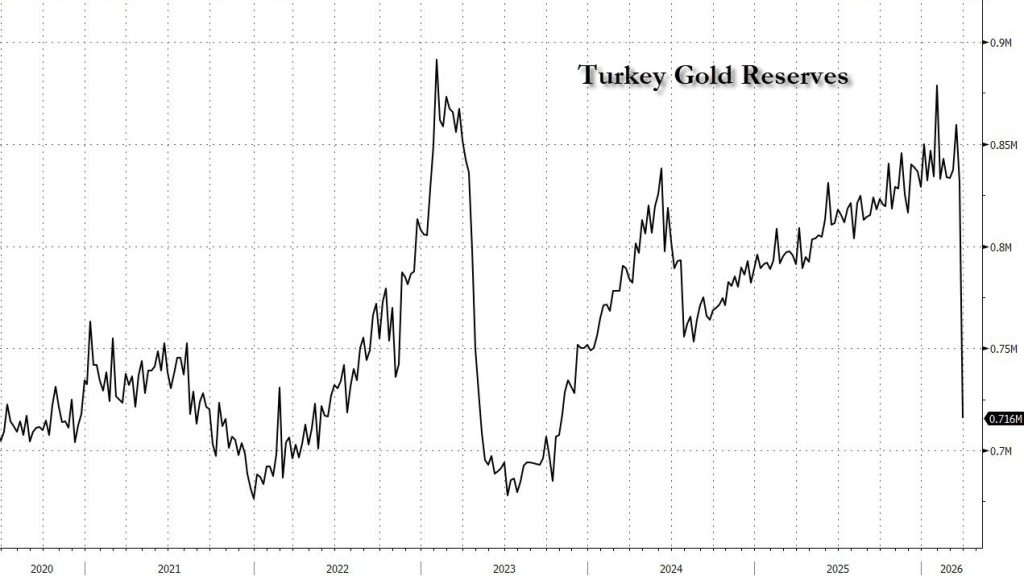
Turkey’s central bank moved quickly after the Iran conflict began, selling and swapping 60 tonnes of gold to support the lira. The drawdown, worth over $8 billion, marked one of the sharpest weekly declines in Turkey’s gold reserves in years. At the same time, Brazil’s gold buying picked up after a long pause. This reflects a broader shift tied to de-dollarization. But this is not a break from the dollar system itself.
Also Read: Medvi Is the AI Startup With 2 Employees and $1.8B in Sales Beating Hims & Hers

Data from Turkey shows reserves falling by about 6 tonnes in one week and over 50 tonnes the next. According to reports, much of the gold was used in swap agreements to get foreign currency and manage cash needs. This is along with nearly $26 billion in FX sales since the conflict began. Higher energy costs and rising demand for dollars added pressure.
Brazil moved gradually. Its central bank brought 42.8 tonnes of gold between September and November 2025, the first purchase in four years. Over time, the dollar’s share of reserves fell from 80.42% in 2022 to 72% in 2025. Gold now makes up 7.19%, with the euro at 6.60% and the renminbi at 5.94%.
Also Read: SpaceX IPO Targets $2T While Anthropic Drops $400M on Biotech the Same Day
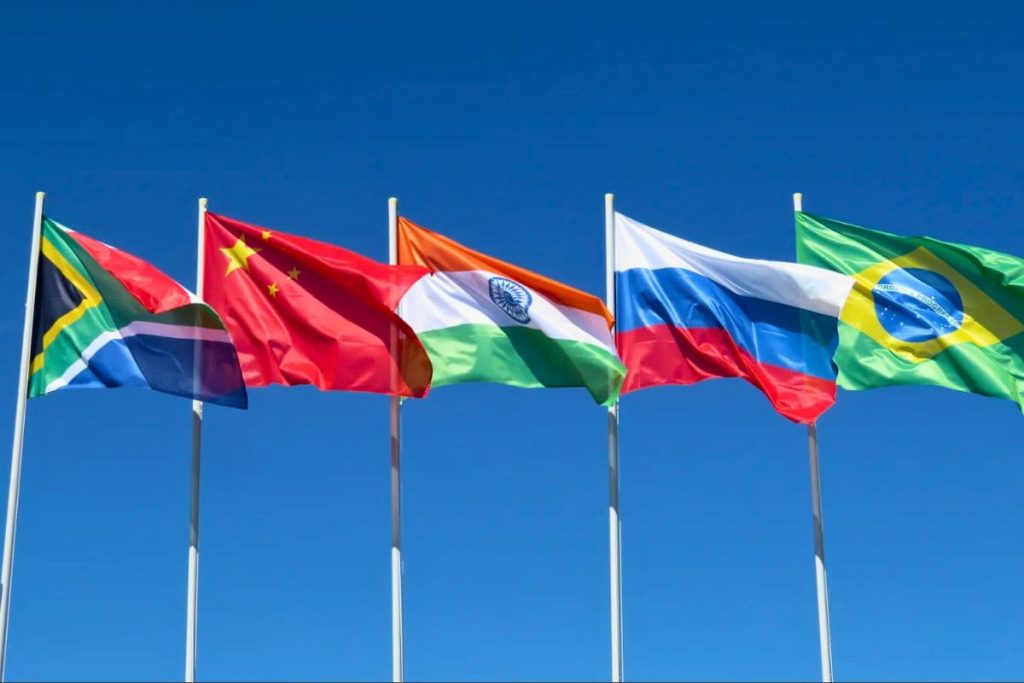
The shift is part of a wider BRICS dollar decline discussion, though the dollar remains dominant. Federal Reserve data from July 2025 shows it still represents 58% of global reserves, well ahead of other currencies.
Recent political signals have added to the backdrop. US President Donald Trump has warned of potential tariffs on BRICS countries that move away from the dollar. This shows the geopolitical weight of reserve currency decisions.
Turkey and Brazil are responding to different pressures, but both adjustments point to the same trend. The dollar’s role remains intact, though reserve strategies are becoming more diversified.
Also Read: Oil Just Hit $141 and the UN Lost Its Only Legal Path to Reopen Hormuz