









Bitcoin
March 23, 2026
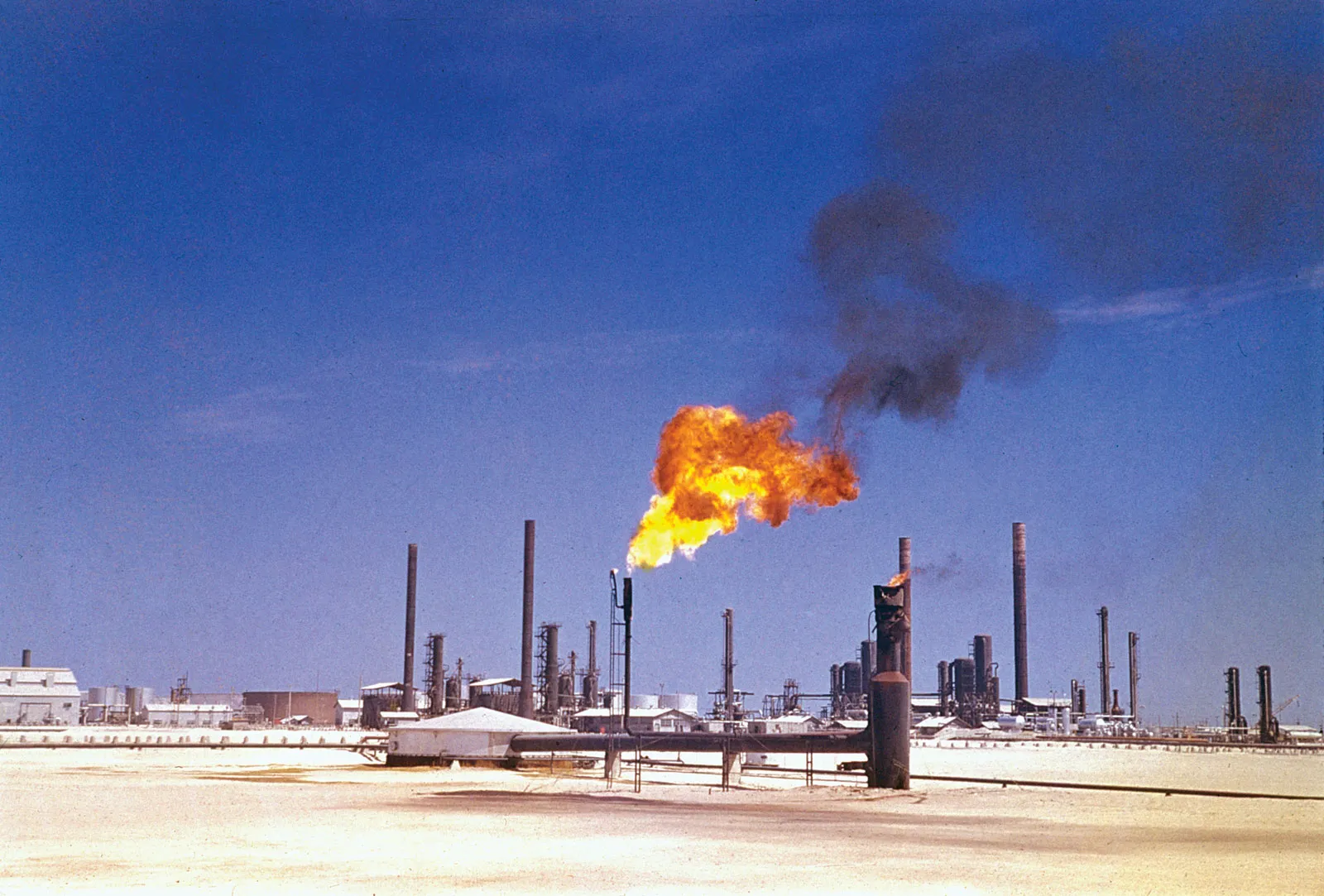
A Saudi oil refinery attack has pushed global energy markets back into uneasy territory. A drone strike hit the Ras Tanura facility on Saudi Arabia’s eastern coast. This triggered a small fire that was quickly contained. But Saudi Aramco temporarily halted operations as a precaution while damage was being assessed. The refinery processes about 550,000 barrels per day, making it one of the critical refining hubs in the world. This scale means even brief and dainty disruptions carry large consequences for pricing and sentiment.
Also Read: Market Outlook This Week After Iran Strikes & Oil Surge
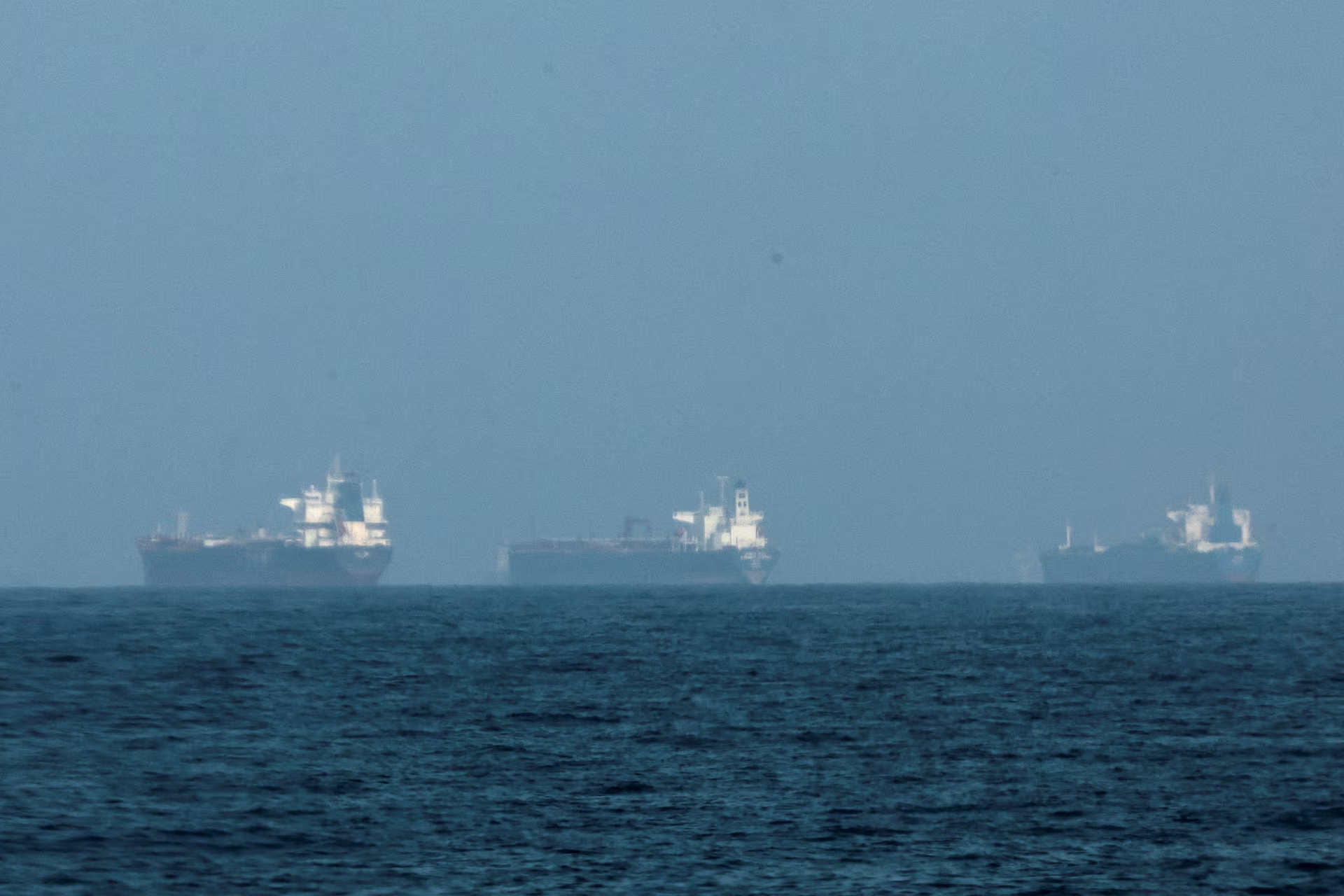
Oil markets reacted immediately. Brent crude surged by more than 7% to $77.70 per barrel in early trading. These moves reflected rising oil shock fears and not immediate shortages. Ras Tanura sits along the Persian Gulf, directly exposed to rising regional tensions and shipping disruptions near the Strait of Hormuz. This route carries about 20% of global oil flows. Homayoun Falakshahi from Kpler said,
“Because of Iran’s threats, the strait is effectively closed. The vessels have taken a precautionary measure not to enter as the risks are too high and their insurance costs have skyrocketed.”
The Ras Tanura drone strike has forced traders and policymakers to rethink expectations around inflation and interest rates. Oil feeds directly into transportation, manufacturing, and food costs. Turkey’s central bank has indicated that higher oil prices between $90 and $100 could affect monetary policy decisions. The bank also already pointed out that oil near $80 complicates easing plans. Recent inflation readings in Istanbul showed consumer prices rising 3.85% month-on-month, with food and services contributing to the increase. The country’s CDS spreads have risen to around 238 basis points while the lira has weakened.
Also Read: XRP Rich List: Whale Power & Distribution
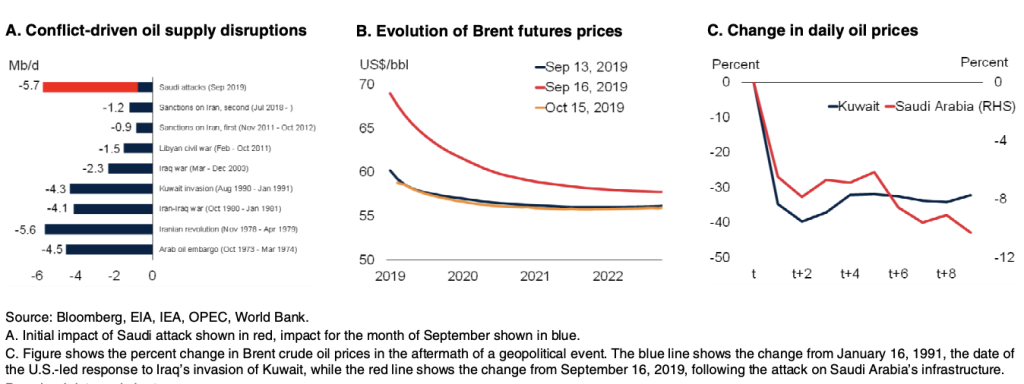
Past incidents show how sensitive oil markets are to such attacks. The World Bank noted that the 2019 Saudi facility attack caused an immediate surge in oil prices. This was even though the supply disruptions were only temporary. The latest Saudi Aramco refinery fire was contained, and operations continued.
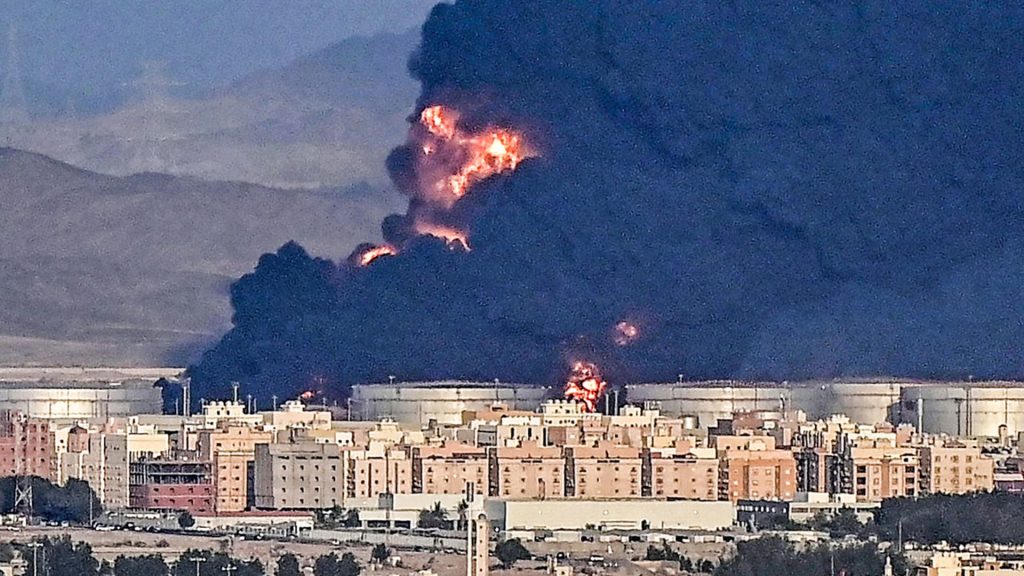
The Saudi Aramco refinery fire has added to volatility across different asset classes. Oil markets remain sensitive to geopolitical developments. Equities have turned cautious, gold prices have increased, and currency markets are seeing pressure in energy-importing economies. The broader Middle East oil risk remains tied to shiippinga dn security. Iran has warned vessels near the Strait of Hormuz, and shipping activity has slowed following recent attacks. These developments have brought back oil shock fears.
Also Read: JPMorgan’s CLARITY Act Forecast Sparks ‘Buy the Rumor’ Debate Among Crypto Traders