





Business
April 7, 2026
Anthropic Hits $30B as Google–Broadcom Deal Powers AI Boom and Bubble Debate
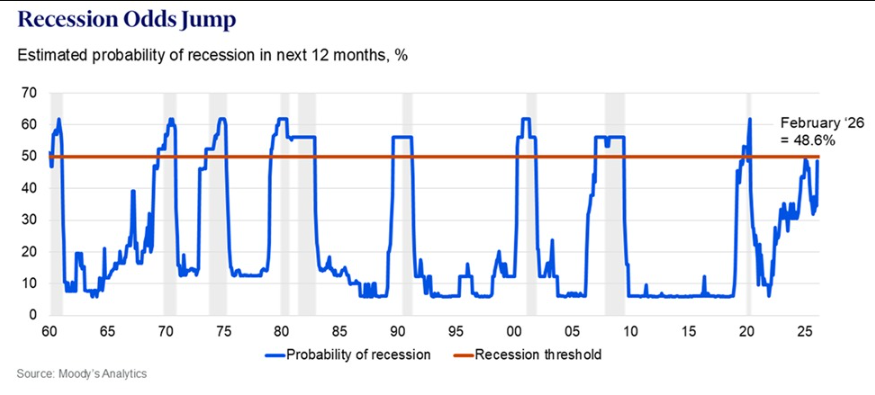
US recession probability in 2026 stands at 48.6% as of February, the highest reading since the 2020 pandemic and up 15 points over the last six months. Moody’s recession forecast, which uses a machine learning model built on extensive economic data, has never hit this level outside of an actual recession. With the Fed holding rates today amid the Iran war, US debt topping $39 trillion, and all four G4 central banks meeting in the same week, the macro picture is about as loaded as it gets.
Also Read: FTX Sold Anthropic for $1.3B in 2024 and the Stake Is Now Worth $30B
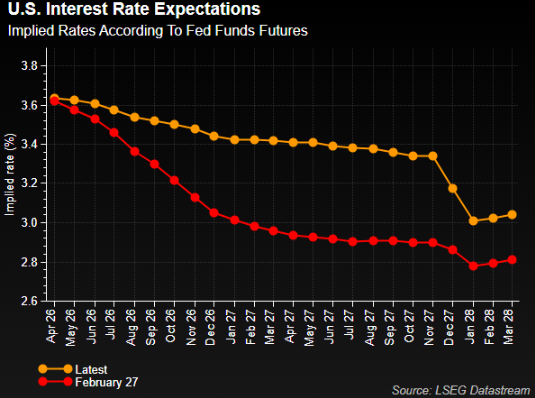
Federal Reserve officials are expected to hold rates steady today, but the real focus is on what the updated projections say about where the US economy is heading. Fed interest rates 2026 expectations have shifted dramatically since the Iran war began, with futures markets now pricing in just one quarter-point cut in September, down from more than two cuts expected only weeks ago.
Diane Swonk, chief economist at KPMG, stated:
“The forecasts are being made amidst a cloud of uncertainty. I would expect participants at the meeting to mark down their assessments of growth, while they mark up their estimates of inflation and unemployment. The ‘dot plot,’ which includes participants’ expectations for rate hikes or cuts is likely to show a little of both.”
US gasoline prices are up more than 25% since the war began, sitting at $3.79 per gallon as of Tuesday. The February jobs report showed the economy lost 92,000 jobs, and the Moody’s recession forecast was already climbing before oil added a fresh layer of pressure. Oil prices have spiked ahead of every recession since WWII, with the pandemic being the only exception.
Also Read: Hyperliquid Hits $1.43B ATH as WTI Crude Tops Ethereum in Platform Volume
This is only the second time ever that all G4 central banks , including the Fed, ECB, Bank of England, and Bank of Japan, are meeting in the same week, the first being December 2021. None are expected to hike, but the tone from each is being watched closely as the Iran oil shock reshapes rate expectations globally.
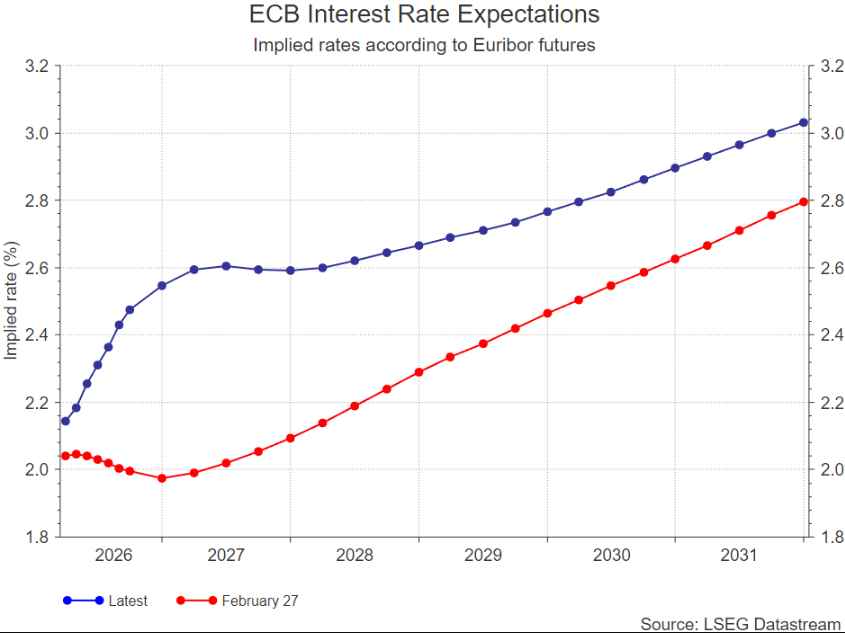
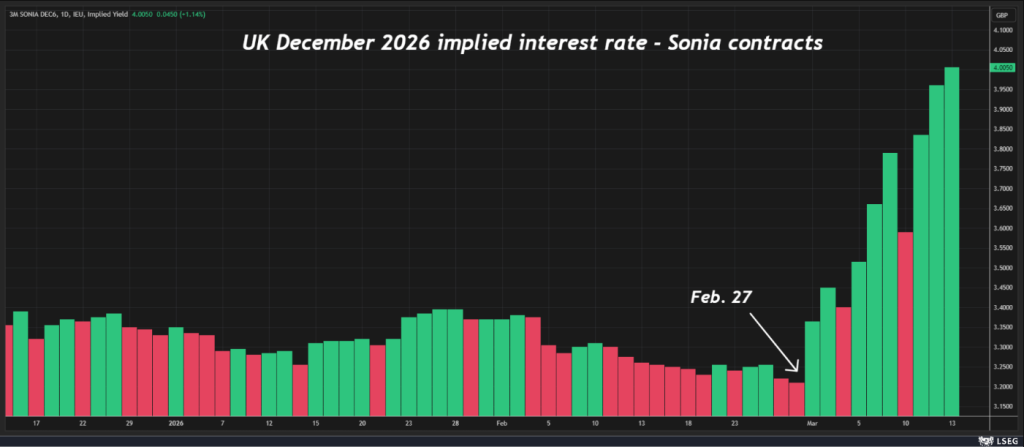
The ECB is dealing with European natural gas prices up roughly 50% since late February, with Euribor futures now pricing around 50 basis points of tightening. The Bank of England’s implied year-end rate has moved to 4.00%, up roughly 75 basis points in two weeks.
The Bank of Japan, which imports around 90% of its energy from the Middle East, faces what analysts describe as enormous inflationary risk on top of an already weak yen and record fiscal stimulus coming down the pipeline.
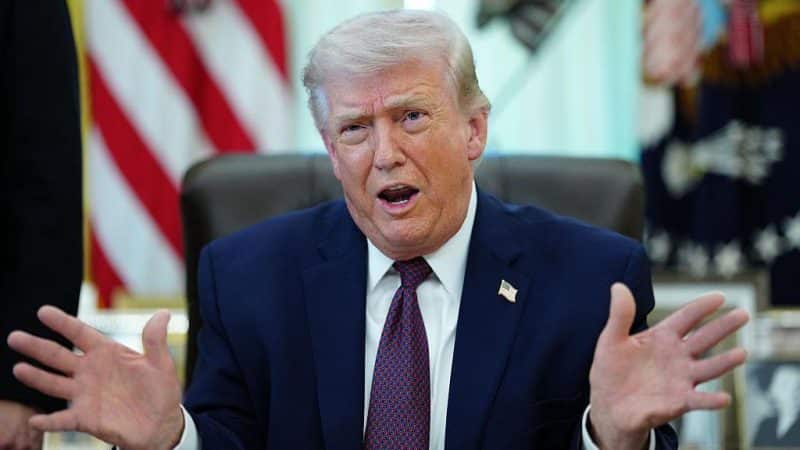
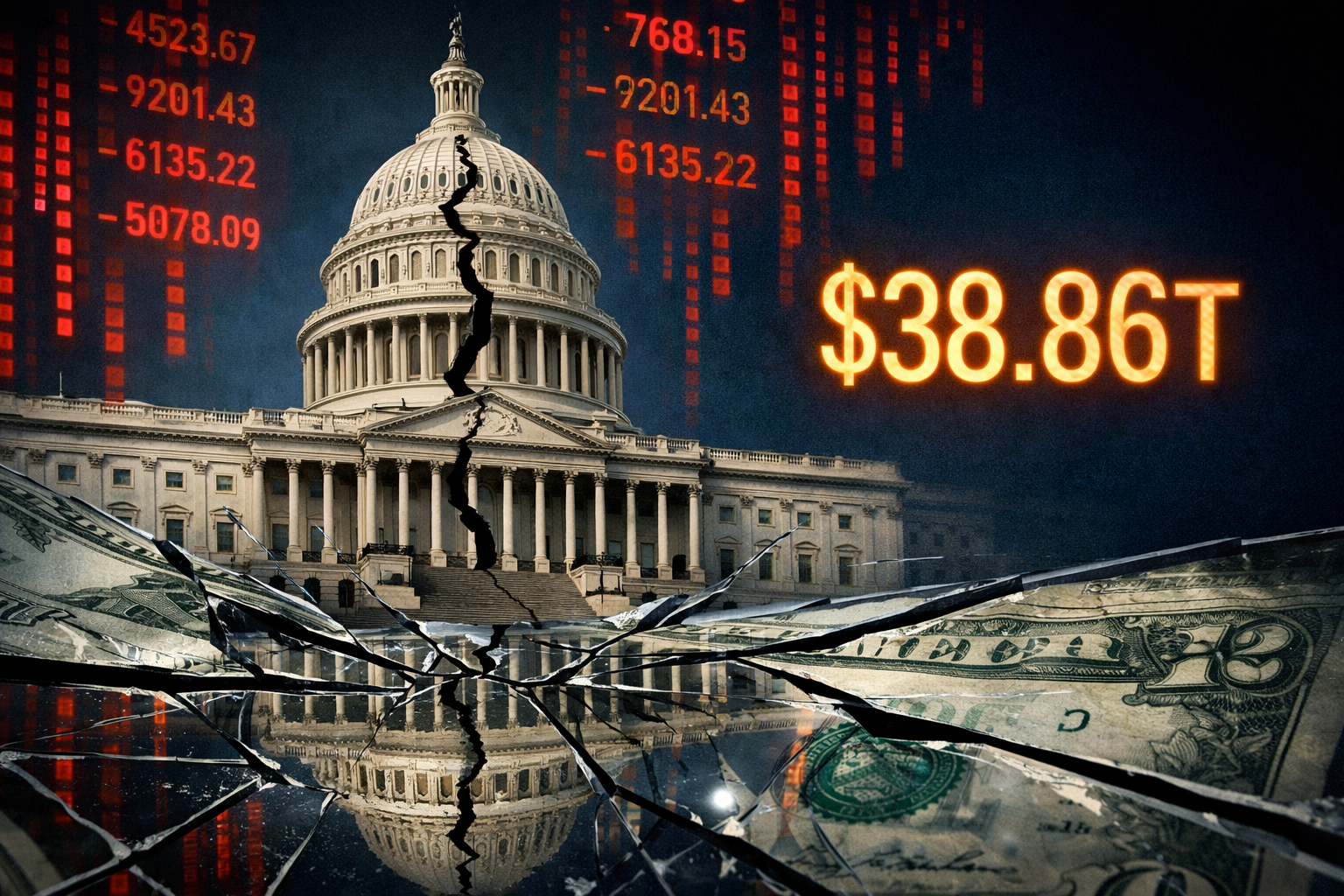
US debt crossed $39 trillion this week, with 27% of that accumulated under Trump presidencies. US recession probability for 2026 is being pushed higher by a combination of a weakening job market, surging oil prices, and a debt load that leaves little fiscal room to absorb shocks.
Also Read: PayPal PYUSD Hits $4B as Mastercard Spends $1.8B to Enter Stablecoin Race
The Moody’s recession forecast is on track to breach the 50% threshold as oil stays elevated, a level that has historically only appeared during actual recessions. Fed interest rates 2026 will be the key variable to watch as Powell delivers his second-to-last press conference before Kevin Warsh takes over in June.