




Markets
April 6, 2026
XRP Adoption Climbs Past 8.1M Wallets as Ripple’s SWIFT Move Fuels Price Outlook
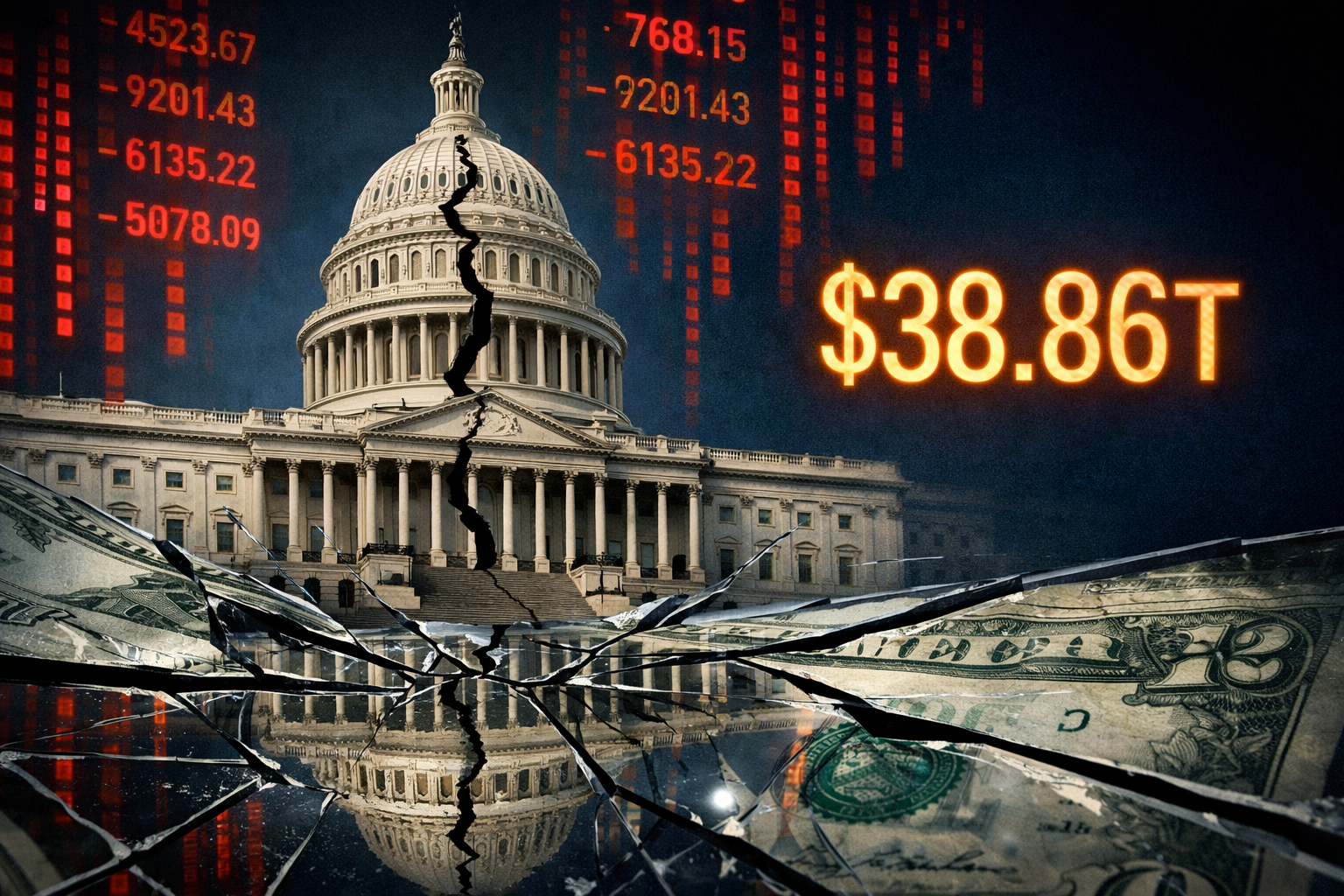
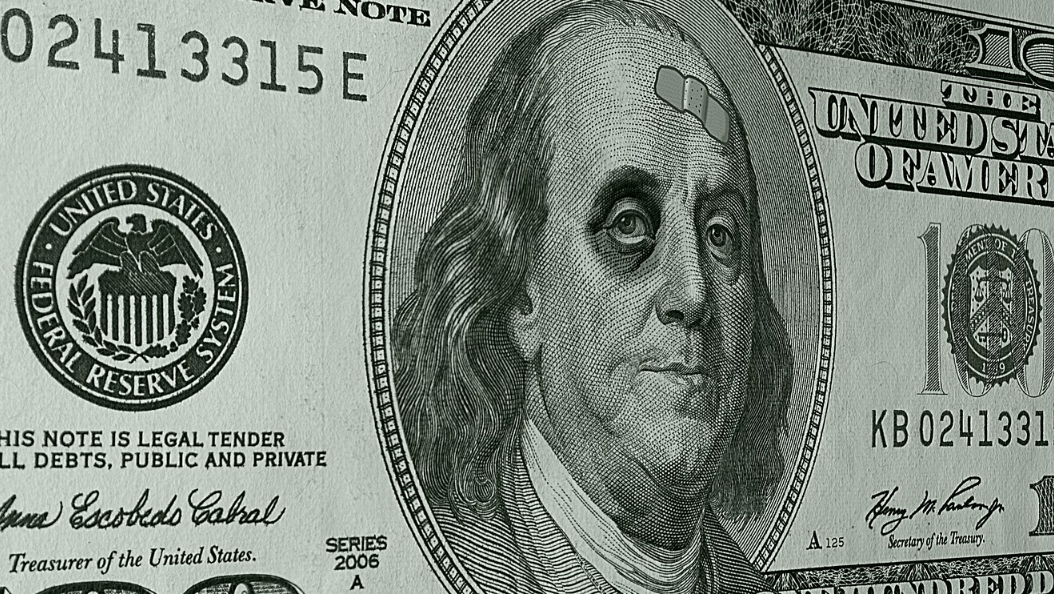
The dollar safe haven status is weakening, according to a new ING report published on February 23, 2026. Trump tariffs are disrupting global trade and pushing foreign investors to rethink their exposure to U.S. assets, putting fresh pressure on the dollar index. The report stops short of calling this a dollar collapse, but the data points to a real and ongoing erosion of confidence in the greenback as a reliable safe haven.
Also Read: Crypto.com Secures OCC Crypto Trust Charter Approval for US Expansion
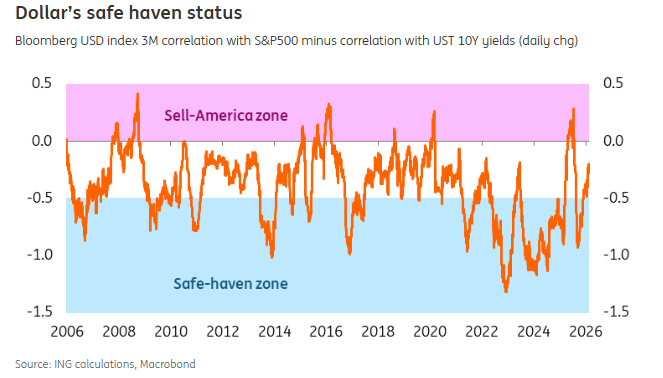
The dollar’s traditional role as a refuge during market stress is being tested. ING’s analysis shows the Bloomberg USD index drifting toward what the bank calls the “Sell-America zone,” where the dollar moves with equities rather than against them, losing its hedging value in the process.
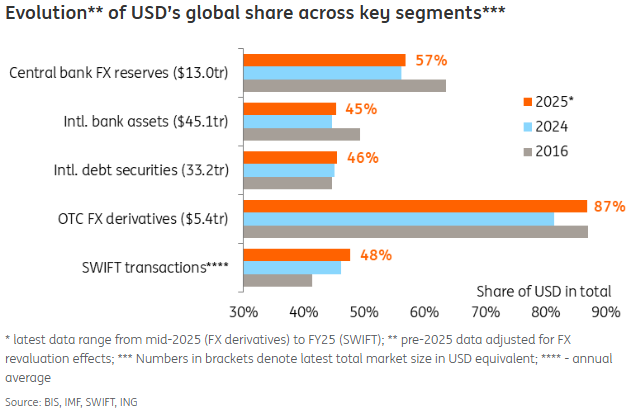
The dollar index remains elevated by historical standards, and the dollar still accounts for 57% of global central bank FX reserves, 87% of OTC FX derivatives, and 48% of SWIFT transactions. But the direction of travel matters, and right now it is pointing the wrong way for dollar safe haven bulls.
Also Read: Ripple’s RLUSD Approaches $2 Billion After Cutting Transaction Costs
Trump tariffs are a central driver of this shift. The uncertainty around a proposed 15% global tariff is reshaping global trade flows, and that unpredictability is making institutional investors more cautious about U.S. asset exposure. Foreign buyers still hold around 20.2% of U.S. securities as of December 2025, but hedging behavior is changing.
ING analysts stated:
“The dollar has lost some of its safe-haven status.”
If real U.S. interest rates turn negative, the dollar safe haven appeal weakens further. ING’s baseline EUR/USD forecast sits at 1.20, with the dollar index facing continued headwinds tied to global trade uncertainty and the broader fallout from Trump tariffs.
Also Read: Meta’s $135 Billion AI Spend Just Locked In Nvidia’s Next Big Boom