





Business
March 25, 2026
Iran war ceasefire talks moved markets on Tuesday after the Trump administration delivered a 15-point plan to Tehran through Pakistani intermediaries. Brent crude fell below $100 a barrel for the first time in weeks, dropping 4.7% to $99.55, as the Iran 15 point plan became the most concrete diplomatic move since the conflict began on February 28. Bitcoin held above $71,000, Asian equities jumped 1.9%, and the dollar weakened. The Brent crude below $100 threshold, which had held since mid-March, broke on the news. Ceasefire optimism drove the oil price drop today, not fundamentals. Markets are framing Iran US peace talks as the only variable that matters right now.
Also Read: NYSE Taps Securitize to Build 24/7 Tokenized Securities Platform
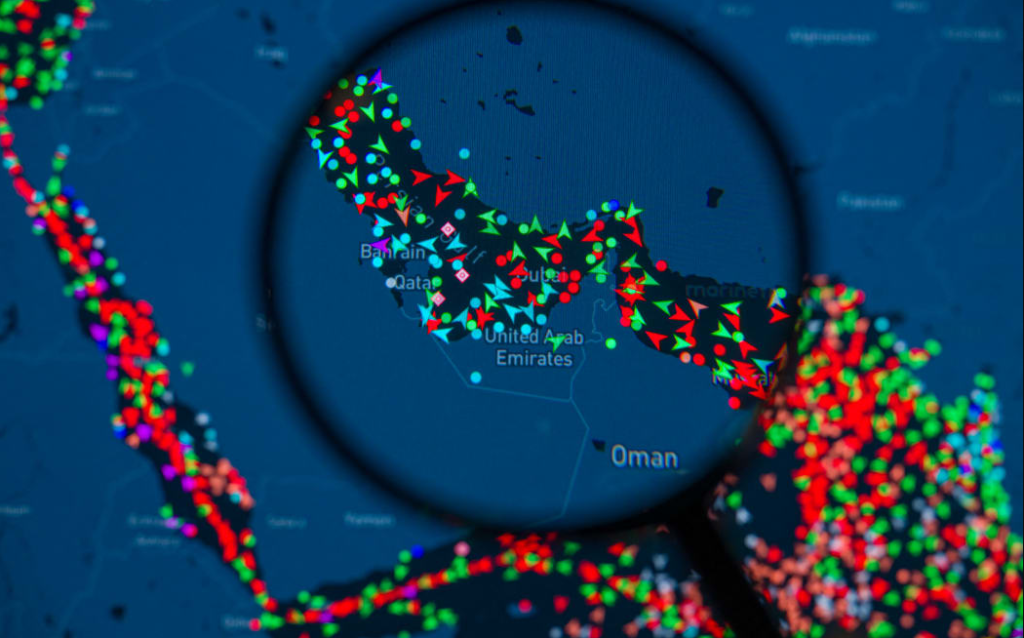
The plan was submitted to Iran by Pakistani intermediaries, who have also offered to host direct negotiations between Washington and Tehran. Pakistan’s prime minister has offered to facilitate talks, with Trump confirming that top US officials including Vice President JD Vance may attend meetings in Pakistan as early as this week.
According to reports from the New York Times and Associated Press, the proposal reportedly includes a prohibition on Iran obtaining nuclear weapons or enriching radioactive material. Israel’s Channel 12 separately reported that Washington is proposing a one-month ceasefire, during which both sides would negotiate a broader settlement that would include Iran handing over its enriched uranium and banning further enrichment.
The plan would also require Iran to guarantee safe passage through the Strait of Hormuz. In return, the US would lift all sanctions against Tehran and provide assistance in developing civil nuclear energy at Bushehr.
Israeli officials, who had been pushing Trump to continue military operations, were taken by surprise by the submission of the plan. One regional source described some of the 15 points as “almost impossible” for Iran to accept.
Tehran’s response from the military side was direct and dismissive. Lt. Col. Ebrahim Zolfaghari, a spokesperson for the Iranian military’s Khatam Al-Anbiya Central Headquarters, addressed the ceasefire proposal in a prerecorded video aired on Iranian state television.
“The strategic power you used to talk about has turned into a strategic failure,” he said. “The one claiming to be a global superpower would have already gotten out of this mess if it could. Don’t dress up your defeat as an agreement. Your era of empty promises has come to an end.”
Zolfaghari also challenged the premise of the talks entirely:
“Have your internal conflicts reached the point where you are negotiating with yourselves?”
His closing statement left little room for interpretation:
“Our first and last word has been the same from day one, and it will stay that way: Someone like us will never come to terms with someone like you. Not now, not ever.”
Also Read: Bitcoin vs Gold: BTC Jumps 12% as Gold Drops 16% Amidst Iran Conflict
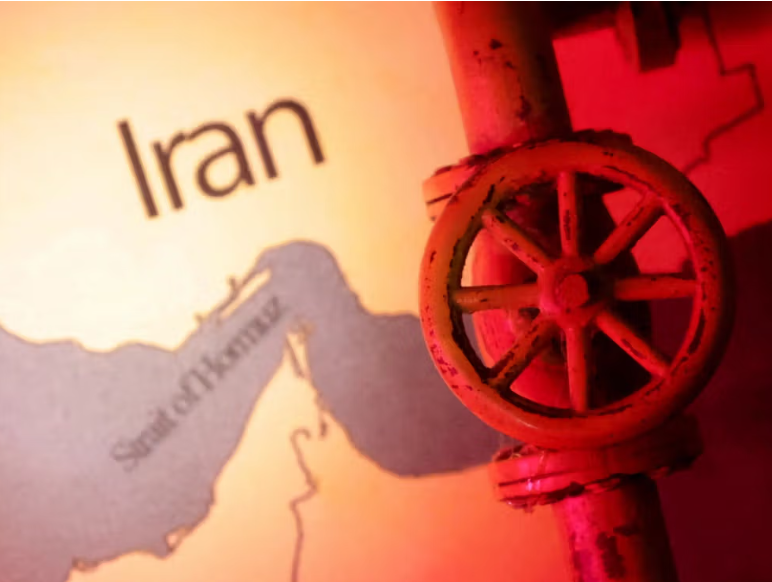
Iran also published its own set of conditions for any ceasefire. According to BRICS News, Tehran’s demands include compensation for wartime losses, formal control of the Strait of Hormuz, no limitations on its ballistic missile program, and guarantees against future military action by the US or Israel.
These demands stand in direct opposition to several of the reported points in the US plan, particularly on missiles and Hormuz. The gap between the two positions is significant and has not been narrowed by any confirmed direct contact.
Iran’s parliament speaker Mohammad Bagher Qalibaf denied Trump’s claim of direct talks taking place. The Iranian Foreign Minister’s office said only that Abbas Araghchi had been discussing the war with several counterparts this week, which is a much more limited framing than what Washington has described.
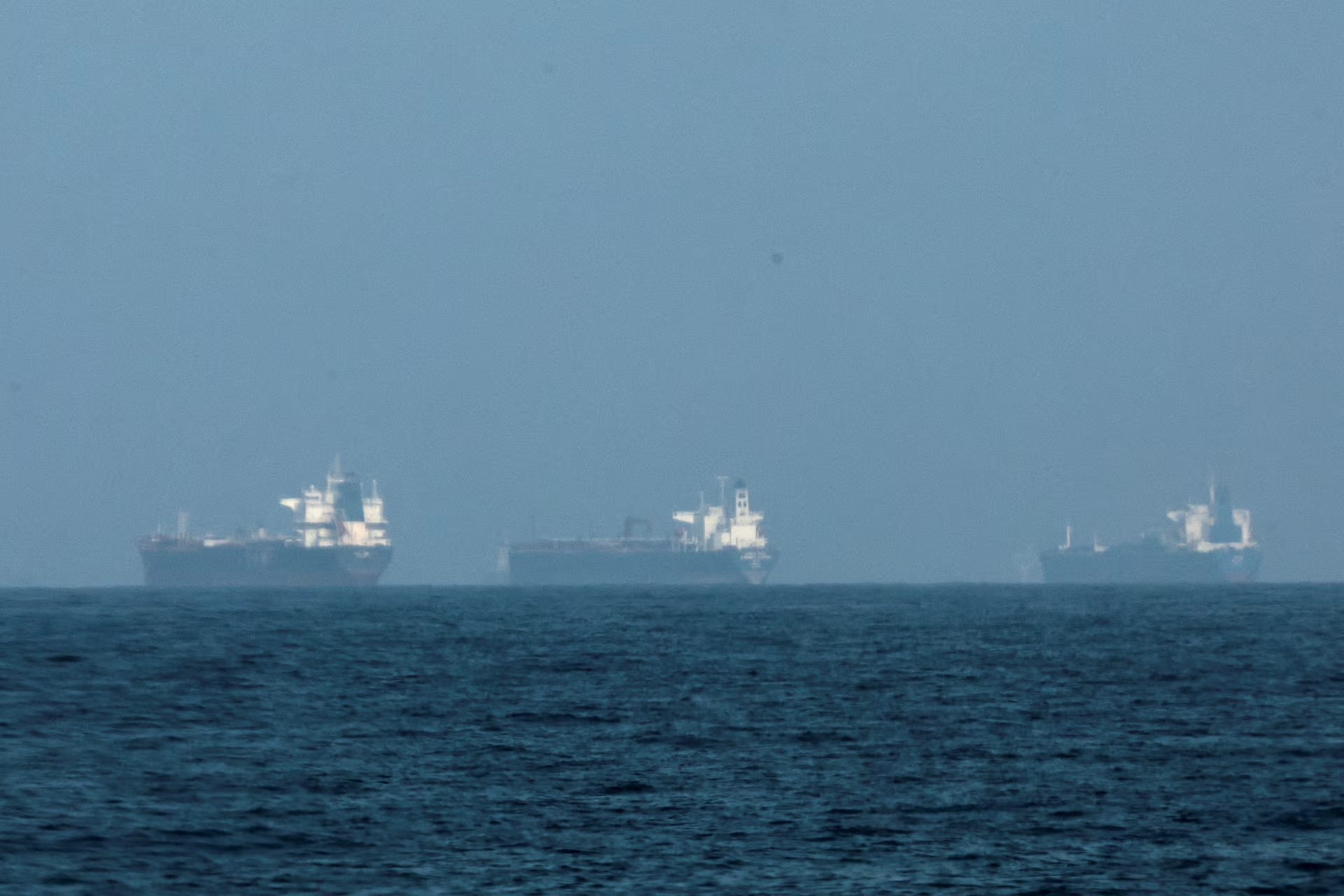
Despite the oil price drop and the risk asset rally, the Strait of Hormuz remains effectively closed. Only a trickle of vessels have been transiting, and Iran’s offer to allow “non-hostile” vessels through has not translated into normal traffic flows yet. Insurance companies are still refusing to cover transits, which is keeping most commercial shipping away.
FxPro chief market analyst Alex Kuptsikevich noted that Bitcoin’s resilience at these levels is telling:
“Although the leading cryptocurrency did not immediately capitalize on the upward momentum and extend its gains, simply remaining at these high levels now suggests confidence among the bulls.”
Brent falling below $100 reduces the inflation pressure that has been compressing risk assets for the past month. Every dollar off the oil price improves the odds that the Federal Reserve holds rather than hikes, which matters directly for crypto and equities. Bitcoin has been roughly flat since the war began, but every major altcoin is down between 4% and 9% on the week.
The US military is also preparing to send at least 1,000 more troops from the 82nd Airborne Division to the region, supplementing the roughly 50,000 already deployed. The Pentagon is also deploying two Marine Expeditionary Units, adding around 5,000 Marines and thousands of sailors. The Iran war ceasefire may be happening, but the military posture on both sides has not changed.
Also Read: Oil Above $100 as US-Iran Signals Clash, Hormuz Toll Claims Denied