





Business
March 26, 2026
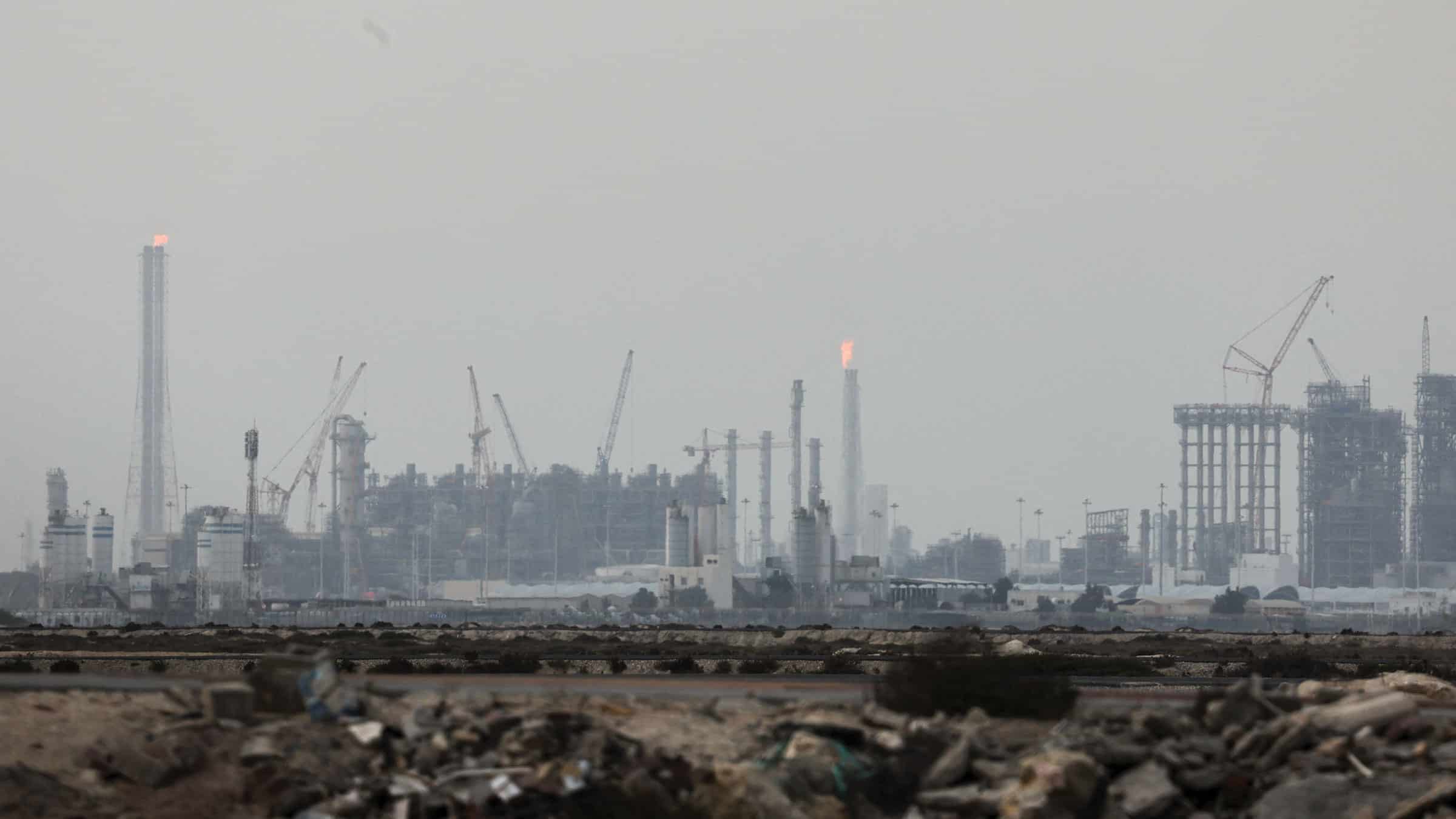
The Iran war has paved the way to a chip shortage. This is not showing up in factory shutdowns just yet. The pressure is building in a less obvious place. After Iranian strikes hit Qatar’s Ras Laffan facility on March 2, helium production stopped along with LNG exports. This matters because helium quietly supports the semiconductor supply chain, especially in advanced chipmaking. The disruption has not reached production lines just yet, but the lag is temporary.
Also Read: Franklin Templeton Expands Tokenized ETFs With Ondo Into 24/7 Markets
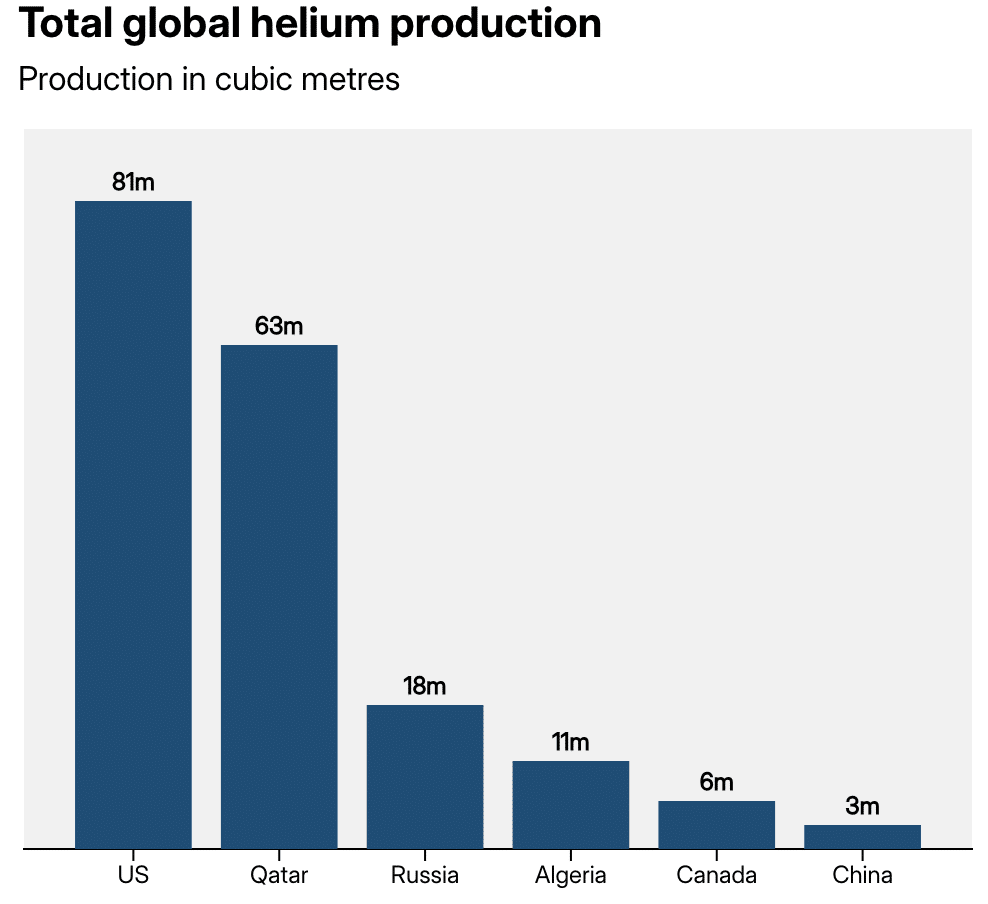
Qatar’s role in the global helium market is hard to replace. Data from the US Geological Survey shows the country produces nearly 63 million cubic metres annually. It is second only to the US at 81 million. When Ras Laffan went offline, nearly a third of global supply disappeared. This triggered what is turning into a helium supply crisis.
Helium is used to control temperature during chip fabrication, particularly when cooling silicon wafers. There is no workable alternative at scale. This leaves manufacturers exposed when supply tightens. Bank of America analysts said,
“Helium demand is concentrated in high-value, mission-critical applications, including semiconductors, aerospace, electronics manufacturing and medical imaging. In these end markets, supply security is typically prioritized over price, particularly during periods of tightness. This dynamic historically allows suppliers to push pricing higher as customers move to lock in long-term supply during disruptions.”
The risk is concentrated in Asia. South Korea and Taiwan dominate global chip production and are dependent on Gulf supply. South Korean manufacturers sourced 55% of their helium from GCC countries in 2025, and Taiwan sourced 69% in 2024.
That exposure is most visible in South Korea. According to Fitch Ratings, the country sources about 65% of its helium from Qatar. This ties its chipmakers directly to the Qatar helium supply situation. Samsung Electronics and SK Hynix still have inventory. But it is a short-term buffer instead of a solution.
Also Read: BlackRock Warns $150 Oil Could Trigger Global Recession Risk
For now, the shortage has not fully materialized. Shipments sent before the shutdown are still arriving. This is keeping production steady. But this window is closing. Speaking about the same, Phil Kornbluth, president of Kornbluth Helium Consulting, said,
“It makes the story worse. Your best case scenario would be you’re back producing some helium in six weeks or something like that. As it looks right now, that’s highly unlikely.”
Prices are already moving. Spot helium rates have climbed sharply since early March, even though most contracts have not been renegotiated yet. At the same time, logistical constraints are making things harder. Liquid helium requires specialized containers, and a number of them are currently stuck in the region, slowing any attempt to reroute supply.
Markets have started to react to this risk. South Korea’s KOSPI index has fallen 13.5% since the conflict started. Recent data shows the UAE’s DFM index has fallen 14.7% and India’s Nifty 50 has dipped 10.5% during this period. Meanwhile, Israel’s TA-35 has moved in the opposite direction, rising 4.5%.
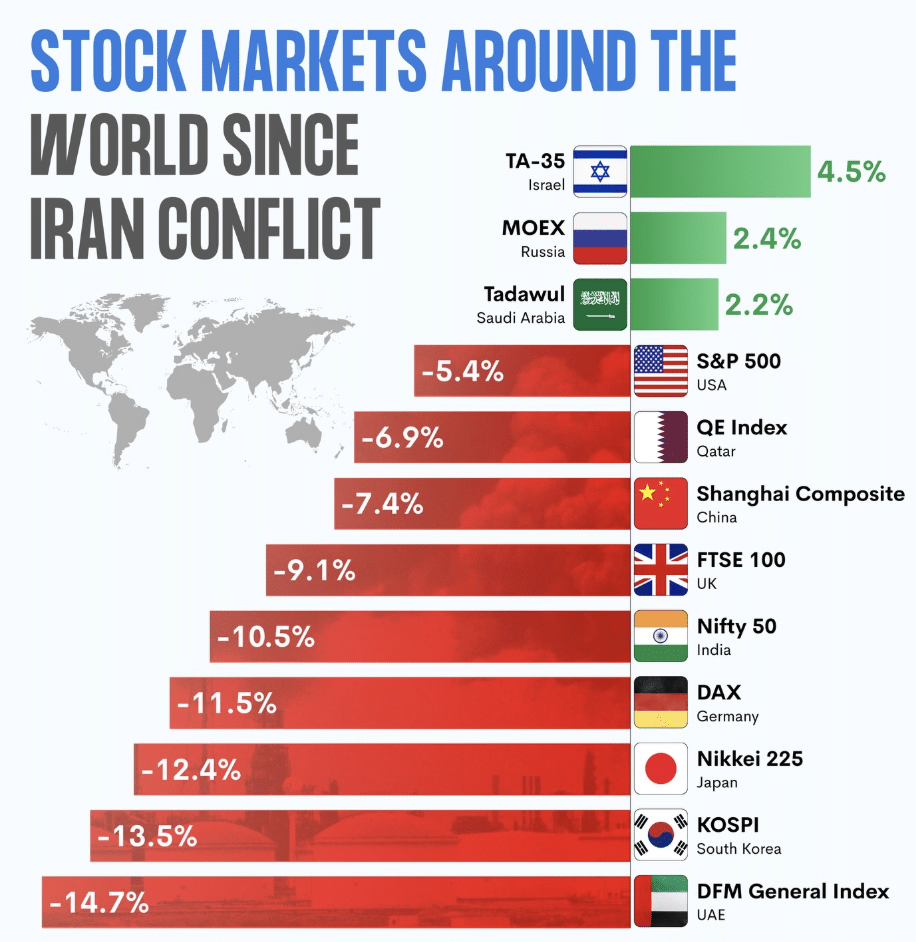
This shows how disruptions in one part of the supply chain can quickly spread. The longer the outage continues, the harder it becomes for the semiconductor supply chain to absorb the shock.
Also Read: Invesco Takes Over $967M Tokenized Treasury Fund as Market Hits $12B