






Markets
April 3, 2026
Turkey Sold 60T of Gold to Survive and Brazil Bought 42T to De-Dollarization
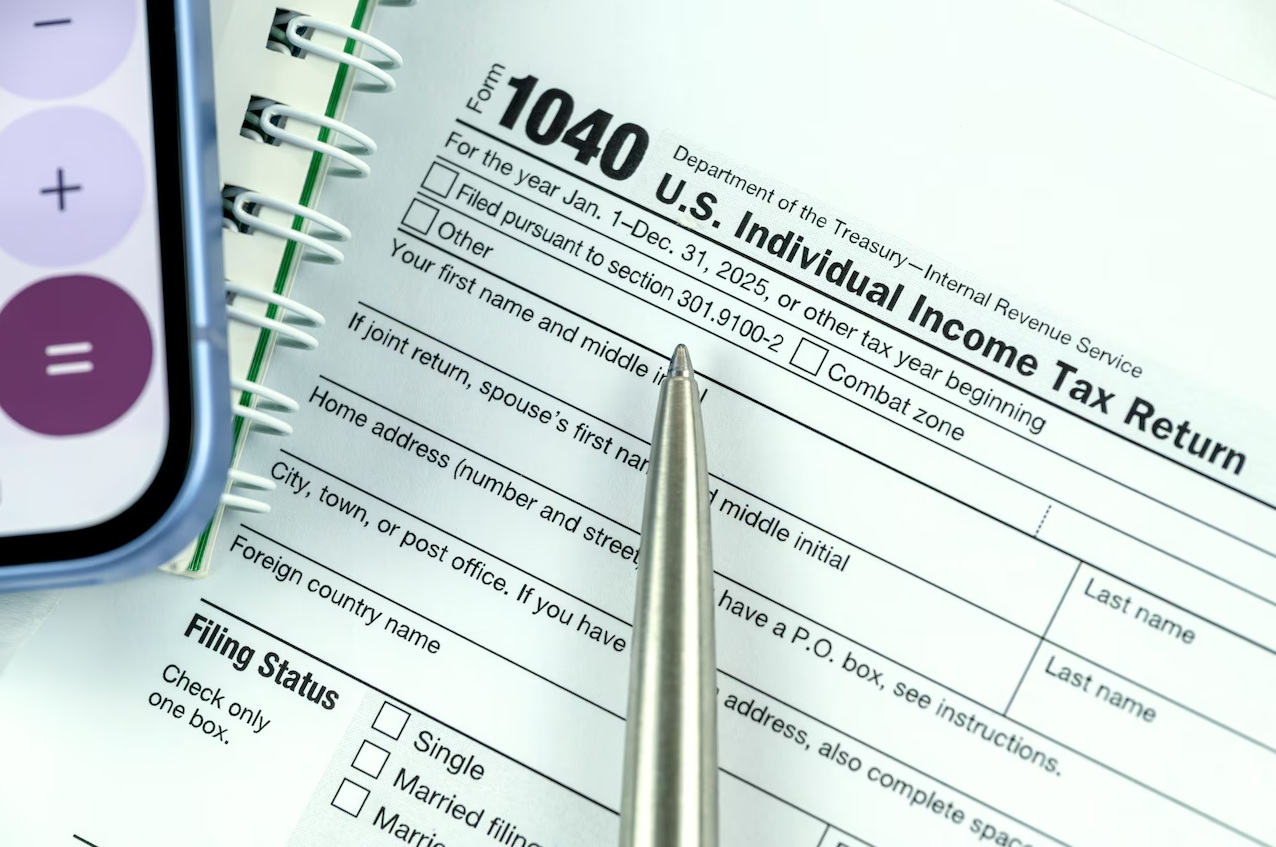
IRS pandemic refund claims are available to millions of Americans right now, and the deadline to file is July 10, 2026. A federal court ruled in November 2025 in Kwong v. United States that the COVID-19 pandemic qualified as a federally declared disaster, meaning the IRS had no legal authority to charge penalties or interest between January 20, 2020 and July 10, 2023. Any individual or business that made a pandemic IRS payment in the form of penalties or interest during that period may be owed money back. Miss the July 10 deadline and the claim is gone permanently.
Also Read: Earned Income Tax Credit Delay Leaves Taxpayers Waiting
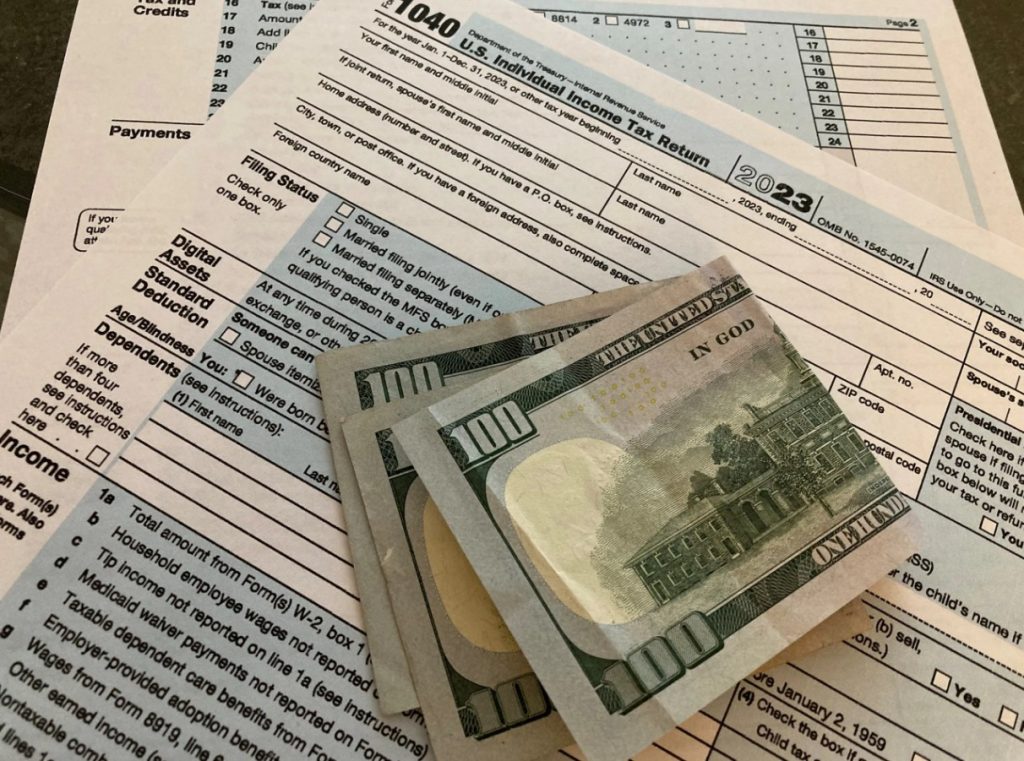
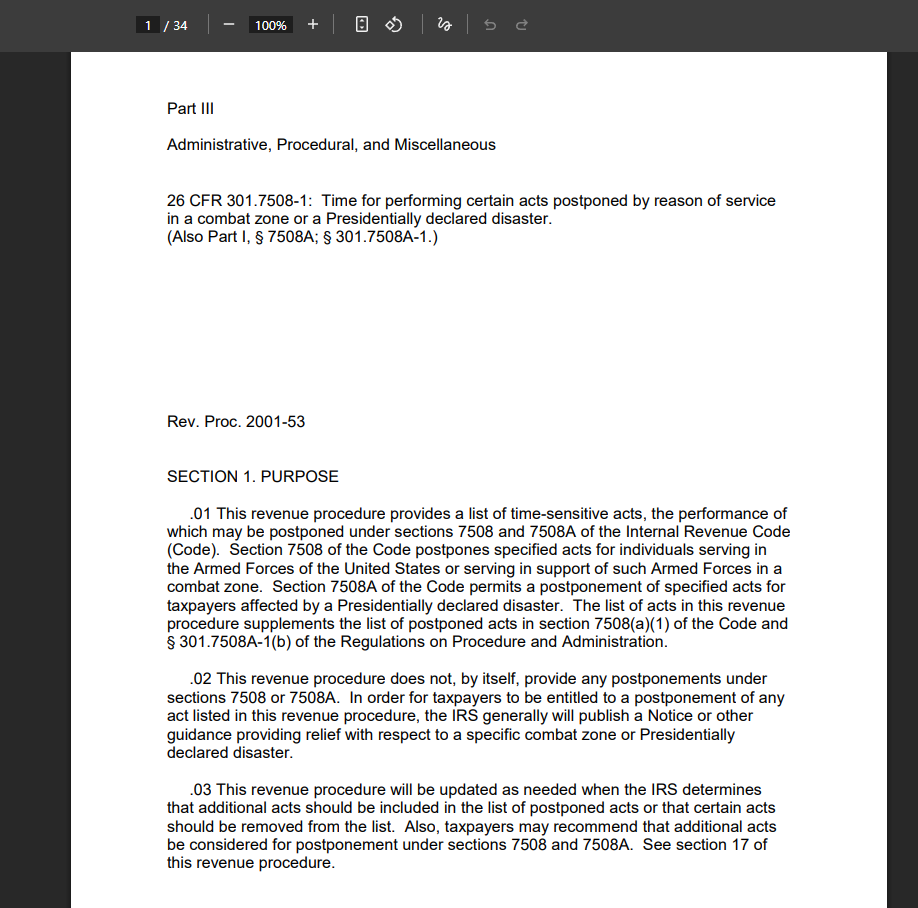
Under tax code Section 7508A(d), tax deadlines are postponed for the duration of a federally declared disaster plus 60 days. Since the pandemic ran through May 11, 2023, the effective filing deadline for tax years 2019 through 2022 became July 10, 2023. Any penalties or interest charged before that date were, according to the court in Kwong v. United States, improperly levied.
Jon Gustafson with Venn Tax and Bookkeeping stated:
“Because it was a disaster for those three years, technically the courts have said the taxes were not due at all during those times.”
Any person or business charged an IRS COVID penalty or interest during the disaster window may qualify. Businesses that struggled with cash flow during the pandemic are among those most likely to see significant amounts owed back to them. In February 2026, Western Digital filed a federal lawsuit seeking a $21 million refund on COVID-era interest alone, arguing those pandemic IRS payment charges were entirely unlawful under Section 7508A(d).
Jon Wasser, partner at Fox Rothschild, said:
“Millions of taxpayers could be eligible, but if people don’t file claims before July 10, 2026, they lose out on the potential for a refund or abatement.”
Jessica Marine, partner at Frost Law, had this to say:
“The potential dollar amounts could be significant, particularly for businesses that faced liquidity challenges during the pandemic and incurred substantial failure-to-pay (taxes) penalties.”
Also Read: Trump Signals Potential 20% Tax Refunds Under Big Beautiful Bill
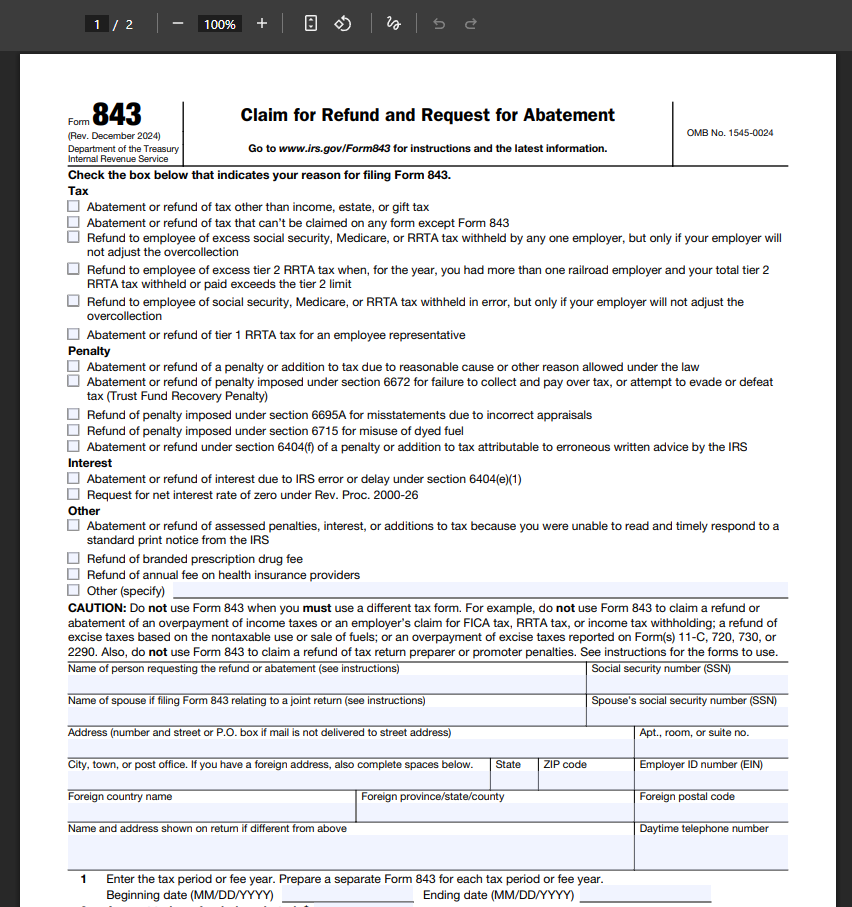
Start by checking your tax records for any penalties or interest charged between January 20, 2020 and July 10, 2023. If anything shows up, the next step is filing IRS Form 843, which is the Claim for Refund and Request for Abatement. A tax professional can handle this, or it can be filed directly. Either way, July 10, 2026 is a hard cutoff with no exceptions.
The honest answer is: not soon. IRS refunds for 2026 tied to this ruling are not going to arrive quickly. The agency is expected to appeal Kwong v. United States, and that process could push resolution into 2027 or later. Filing IRS Form 843 now preserves the claim and keeps the option open. Waiting past July 10 closes it permanently, appeal outcome or not.
Gustafson summed it up:
“The deadline on this is July 10 of this year, so after July 10, you’re too late. You can’t request those funds. Even though you might not get it, because the IRS might win the court case. You might as well try now.”
Also Read: IRS Refund Delays 2026: Why Refunds Are Late and “Where’s My Refund” Isn’t Updating