








Ethereum
April 13, 2026
Polkadot Confirms Hyperbridge Exploit as DOT Drops 5%
Japan bond yields started the week by moving higher. Japan’s 10-year yield reached its highest level in nearly three decades. The rise followed a jump in global oil prices and growing expectations that the central bank may continue to shift its policy stance.
Also Read: XRP FUD Hits 2-Year High as Ledger Activity Shows Growth

The 10-year yield rose to about 2.49%. This is up by nearly 5.5 basis points from late last week. This breaks past levels last seen in the late 1990s and moves above a previous ceiling of around 2.44%.
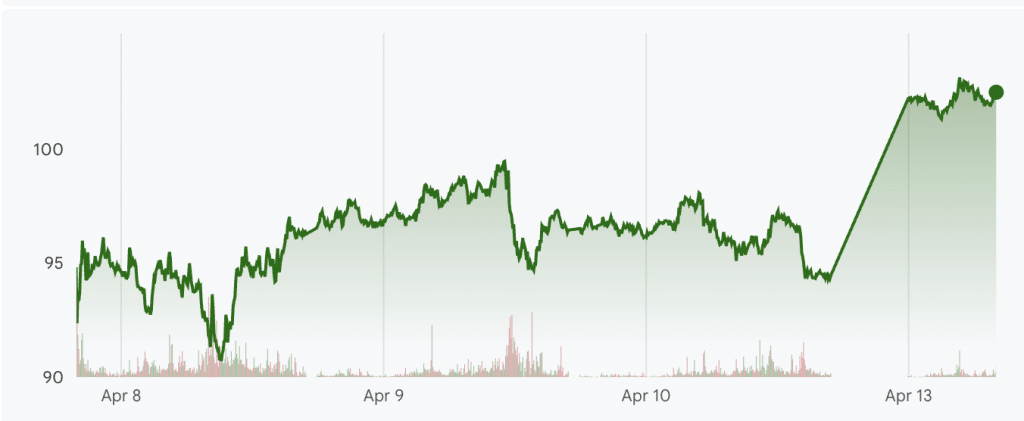
The move came as oil prices climbed above $105 a barrel after tensions in the Strait of Hormuz escalated. For Japan, higher oil prices tend to translate into stronger inflation pressure. The country depends heavily on energy imports, and a weaker yen has added to the cost of those imports. Core inflation has remained above the Bank of Japan’s 2% target for much of the past few years.
Bond markets have been adjusting to this backdrop. Analysts say foreign investors have become more active in Japanese government bonds. Pointing out how the “dominant factor right now is the Middle East conflict,” Stefan Angrick, senior economist at Moody’s Analytics, stated,
“We know that foreign investors are more active in trading JGBs than before, so there is a good chance they are driving some of the price action.”
Also Read: NVIDIA Q1 Earnings Outlook: Vera Rubin Signals Continued Growth
Attention is now on the upcoming Bank of Japan policy meeting later this month. With inflation still high and the currency under pressure, expectations for a rate hike have increased.

Japan’s government seems to be watching developments around the Strait of Hormuz. Chief Cabinet Secretary Minoru Kihara spoke about the same at a news conference. He said,
“We are closely monitoring developments, including (U.S.-Iran) talks and other diplomatic efforts, as well as movements concerning the Strait of Hormuz.”
The move in yields show an overall shift. After years of near-zero rates, Japan’s interest rate environment is gradually changing. The bond market seems to be adjusting along with it.
Also Read: Bitcoin Slips Under $72,000 Following US-Iran Talks Failure