





Markets
April 4, 2026
Delta Q1 Earnings: Can Demand Outpace Rising Oil Prices?
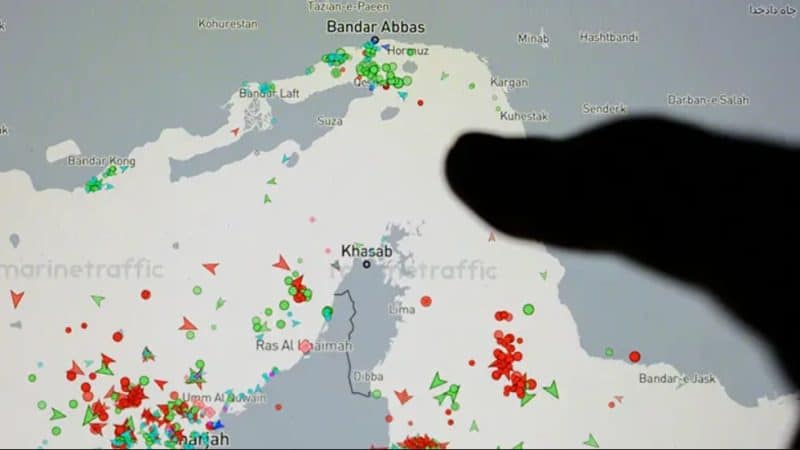
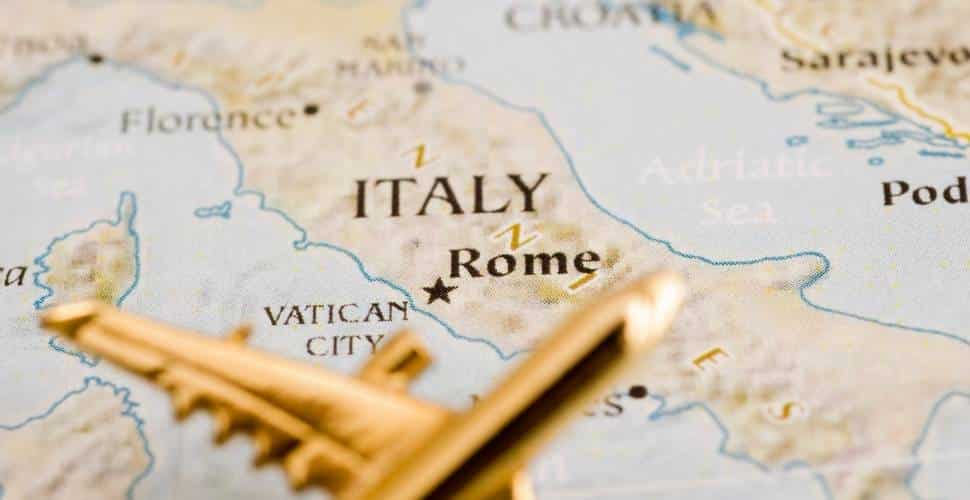
Italy introduced jet fuel restrictions at major airports including Bologna, Milan Linate, Treviso and Venice. Authorities set quantitative limits on aviation fuel until April 9 because of the ongoing Hormuz oil crisis. BlockNow reported that oil prices hit $141 after the UN lost its only legal path to reopen the strait amid the Iran conflict. Priority goes to ambulance flights, state flights and longer routes. Other flights now face caps of 2,000 or 2,500 litres per aircraft. Analysts warn other countries could follow if Middle East tensions persist.
Also Read: Charles Schwab to Enter the Crypto Trading Space By June 2026
Jet fuel restrictions took effect at key Italian airports including Bologna, Milan Linate, Treviso and Venice. Air BP Italia issued a Notam that limits Jet A1 supplies until April 9. Officials give priority to ambulance flights, state operations and longer routes over three hours.
Bologna and Venice cap refueling at 2,000 litres per aircraft. Treviso sets the limit at 2,500 litres. Milan Linate faces reduced availability without a fixed quota. Pilots at Venice received advice to top up fuel before arrival. Intercontinental and Schengen flights continue without restrictions. Suppliers link these jet fuel restrictions directly to the Hormuz oil crisis.
Save Group, which manages Venice and Treviso, downplayed immediate effects. The company noted multiple suppliers operate at the sites. Most carriers still receive adequate fuel. Analysts warn aviation fuel shortage risks could spread if Middle East tensions persist. Other countries could follow Italy’s example.
Also Read: Delta Q1 Earnings: Can Demand Outpace Rising Oil Prices?
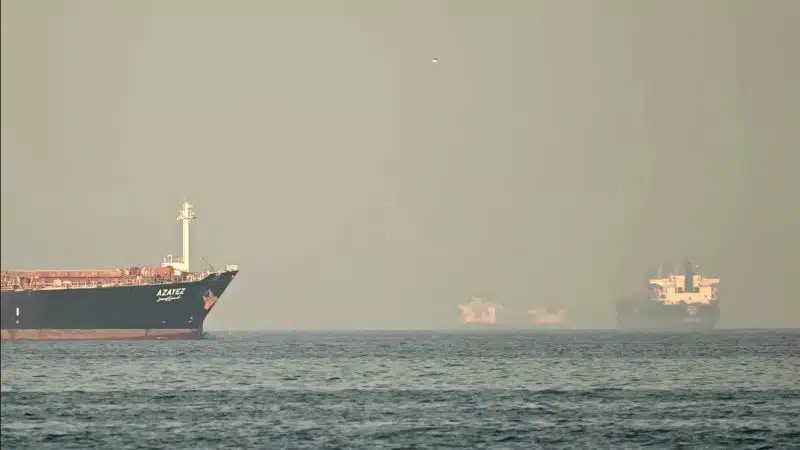
The Hormuz oil crisis has driven Brent crude prices above $140 a barrel. Disruptions in the strategic strait have tightened global supply and created physical shortages that exceed futures market signals. BlockNow reported oil reached $141 after Russia, China and France vetoed a UN resolution aimed at reopening the waterway.
The CEO and Founder of RyanAir Michael O’Leary mentioned about fuel shortages:
“Fuel suppliers constantly monitor the market. We do not expect any interruptions until the beginning of May, but if the war continues, we run the risk of supply disruptions in Europe in May and June. We hope the war ends before then and that the risk to supplies is eliminated.”
BlackRock warned that sustained high prices near $150 could trigger a global recession. Energy experts describe this as one of the largest supply shocks in decades. Aviation fuel shortage now threatens airlines in several European countries while Middle East tensions continue to unsettle markets. Other nations watch developments closely and prepare contingency plans.
Also Read: Solo Bitcoin Miner Strikes Gold with Rare 3.139 BTC Block Reward