



Bitcoin
April 8, 2026
Morgan Stanley Has Its Own Bitcoin ETF and 16,000 Advisors Behind It
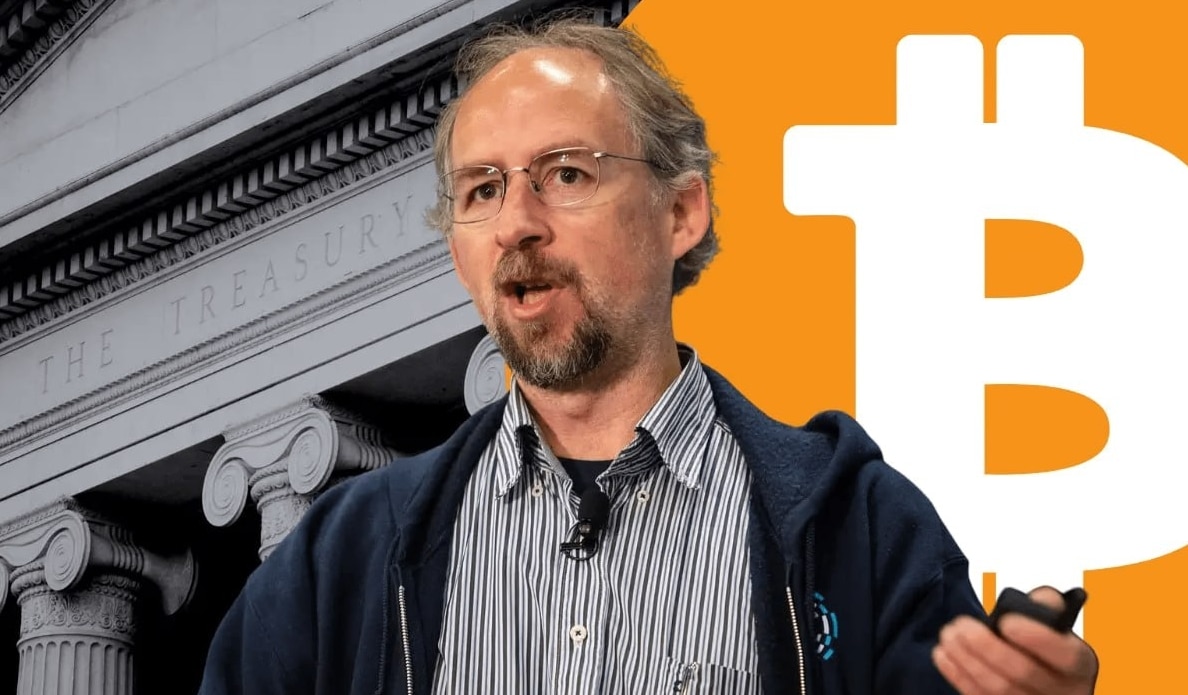
For 17 years, the Bitcoin creator identity question has had no answer. That may have changed on April 8, 2026, when the New York Times published a year-long BTC creator identity investigation naming Adam Back, the 55-year-old CEO of Blockstream, as the most plausible person behind the Satoshi Nakamoto pseudonym. Journalist John Carreyrou spent months going through thousands of old mailing list posts, emails, and forum archives to piece together the BTC’s creator identity argument. Back denies it, and so does Blockstream. Still, the evidence Carreyrou put together is hard to wave away.
Also Read: Shiba Inu & XRP Land on Rakuten Wallet as SHIB Pockets 4% Gains

The NYT team started with over 34,000 mailing list users and filtered down using Satoshi’s writing habits: British spelling, specific hyphenation errors, and phrases that almost nobody else had used online. One of those phrases, “burning the money,” meaning destroying a digital coin, had only one prior user on the Cypherpunks and Cryptography lists before Satoshi picked it up. That user was Adam Back.
The Bitcoin’s creator identity case also rests on timing and ideas. Between 1997 and 1999, Back posted to the Cypherpunks mailing list outlining nearly every core feature of what later became Bitcoin, a full decade before the BTC creator question became something journalists were chasing. Back also invented Hashcash, the proof-of-work system Satoshi cited directly in the Bitcoin white paper and used as the foundation for mining. Carreyrou ran a computational analysis starting from those 34,000 users, applied filter after filter based on Satoshi’s writing quirks, and ended up with one name. Back posted on X to deny the story the same day it ran:
Blockstream also put out a statement:
“Today’s New York Times story is built on circumstantial interpretation of select details and speculation, not definitive cryptographic proof. Dr. Adam Back has consistently stated that he is not Satoshi Nakamoto.”
Back told Carreyrou directly, during a face-to-face meeting in El Salvador:
“Ultimately, it doesn’t prove anything. And I will reassure you, it’s really not me.”
Also Read: Atkins Confirms Crypto Regulation Safe Harbor Is One Step From Going Live
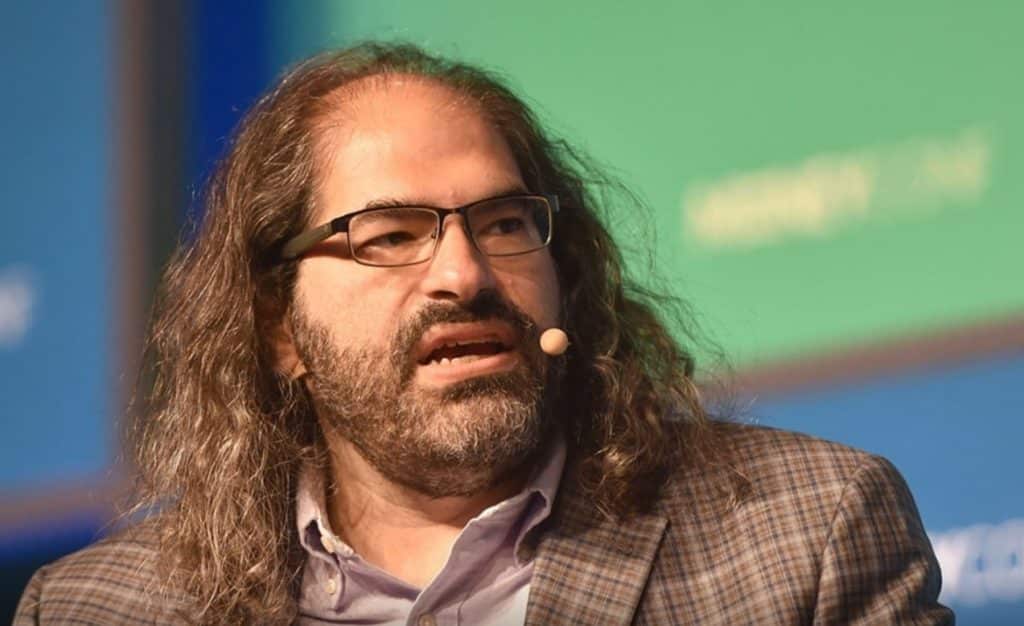
Even if someone proved tomorrow that Satoshi Nakamoto’s real name is Adam Back, a separate and arguably bigger issue came up fast. David ‘JoelKatz’ Schwartz, Ripple’s former CTO, pointed out that figuring out whether Satoshi Nakamoto is a real person who still controls those early coins might not matter at all financially.
David ‘JoelKatz’ Schwartz stated:
“It does seem likely that whoever Satoshi Nakamoto is or was, nobody alive today has access to the keys.”
The roughly 1.1 million BTC linked to Satoshi have never moved. If the private keys no longer exist, those coins stay gone, and knowing the Satoshi Nakamoto real name changes nothing about that. Bitcoin went up about 4.4% the day the story came out, but analysts linked that move to U.S.-Iran ceasefire news, not the investigation. The Bitcoin’s creator revealed that the story did not shake the market, at least not yet.
Also Read: UBS Stablecoin Pilot Advances Swiss Franc Stablecoin Push in Switzerland