








Business
March 26, 2026
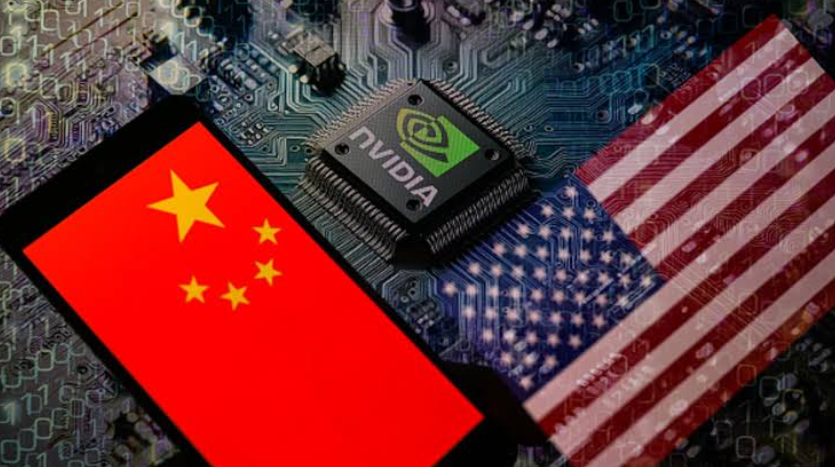
Nvidia’s China H200 production has been halted, with the company redirecting TSMC capacity toward its next-generation Vera Rubin chip. The decision comes as AI export controls have effectively blocked any viable path to selling H200 chips in China at scale. As a result, it is stalling Nvidia China sales in one of its previously key markets. The TSMC capacity shift away from China-bound hardware and toward Vera Rubin signals that Nvidia is done waiting on regulatory relief.
Also Read: Morgan Stanley Cuts 2,500 Jobs in a Signal Investors Shouldn’t Ignore
Nvidia built the H200 as a compliant alternative after earlier US restrictions blocked H100 exports to China. Expanded AI export controls have now caught that workaround too, leaving Nvidia China H200 with no clear route to market. Rather than hold capacity in reserve, Nvidia redirected TSMC to ramp production of the Vera Rubin chip, its next-generation AI architecture set to follow Blackwell.
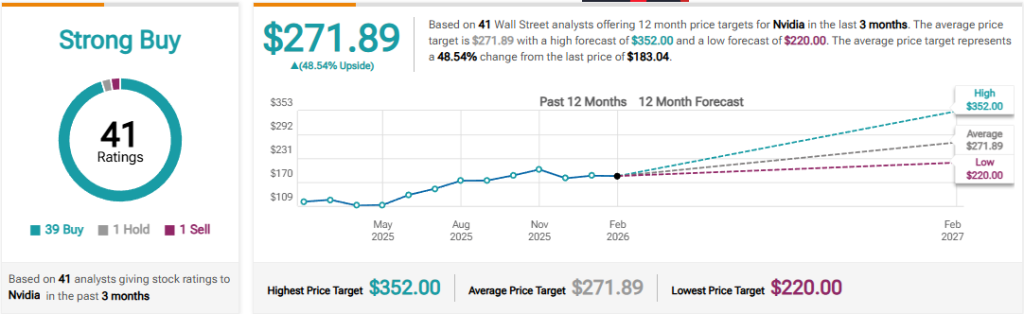
Despite the hit to Nvidia China sales, analyst sentiment has not shifted. Based on 41 Wall Street analysts tracked by TipRanks over the past three months, Nvidia holds a Strong Buy consensus with an average 12-month price target of $271.89, representing roughly 48.5% upside from $183.04.
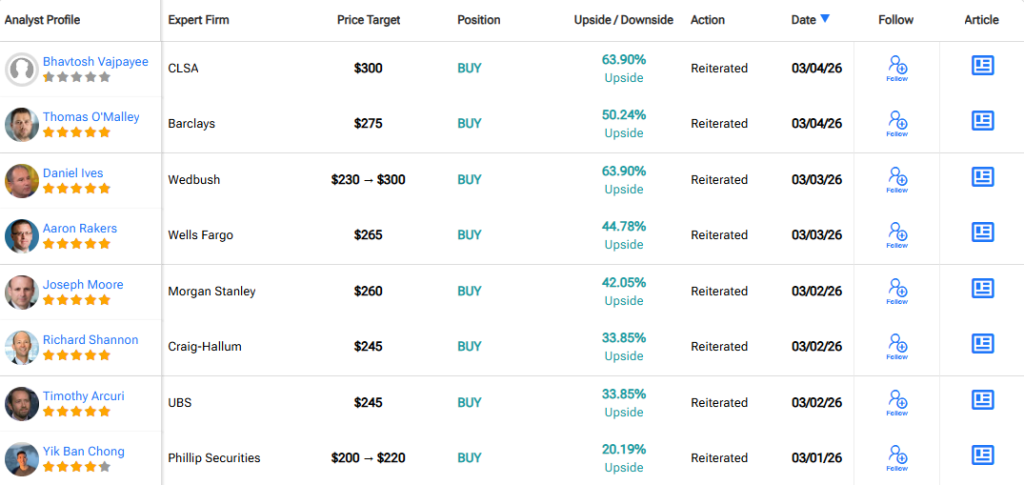
The most recent calls reiterated that view. Daniel Ives of Wedbush raised his price target from $230 to $300. At the same time, Thomas O’Malley at Barclays held at $275 and Aaron Rakers at Wells Fargo maintained $265.
The TSMC capacity shift toward Vera Rubin chip production is being read by analysts as a long-term positive. AI infrastructure demand outside China is more than covering the gap left by tightening AI export controls on Nvidia China H200 shipments.
Also Read: De‑Risking From America: The Dollar System’s First 50‑Year De‑Dollarization Test