




Markets
March 31, 2026
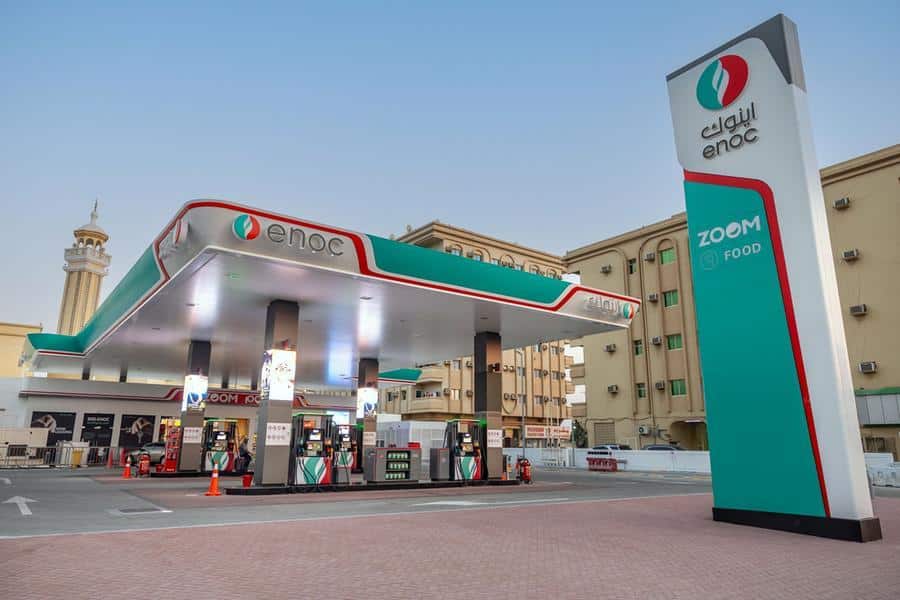
UAE Fuel Prices Surge as Two Global Oil Chokepoints Come Under Pressure
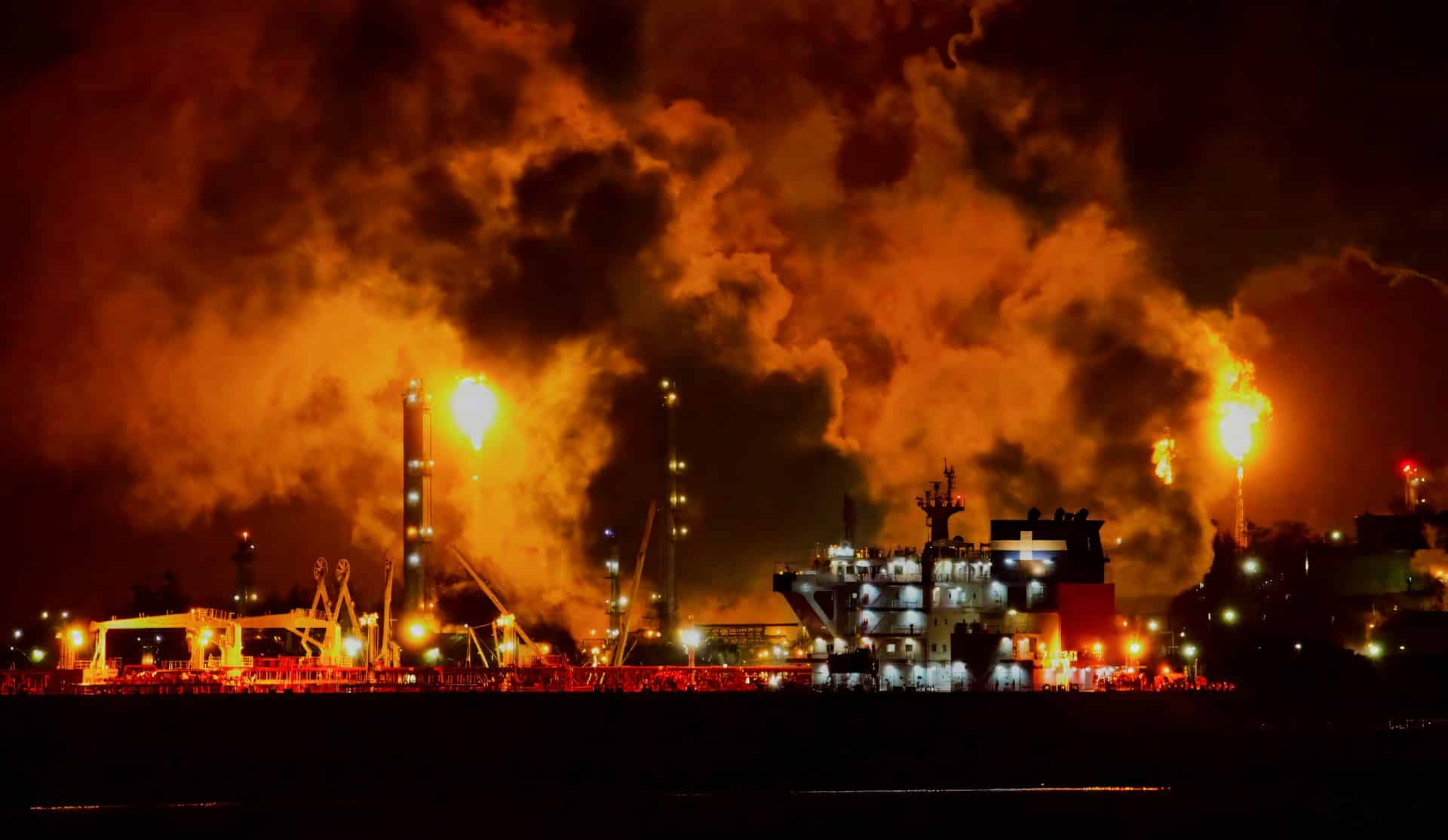
The oil price surge markets had been fearing is now a reality. Brent crude, the international benchmark, crossed $100 a barrel this week even after the International Energy Agency announced a record 400 million barrel reserve release. As of 2:00 GMT, Brent crude was hovering right at that $100 level, up more than 38 percent since the start of the war. Fears over Hormuz shipping disruption proved stronger than any coordinated response, and global oil supply concerns are now firmly driving the market.
Also Read: U.S. Debt Interest Hits $1 Trillion, Now Outpaces Entire Defense Budget

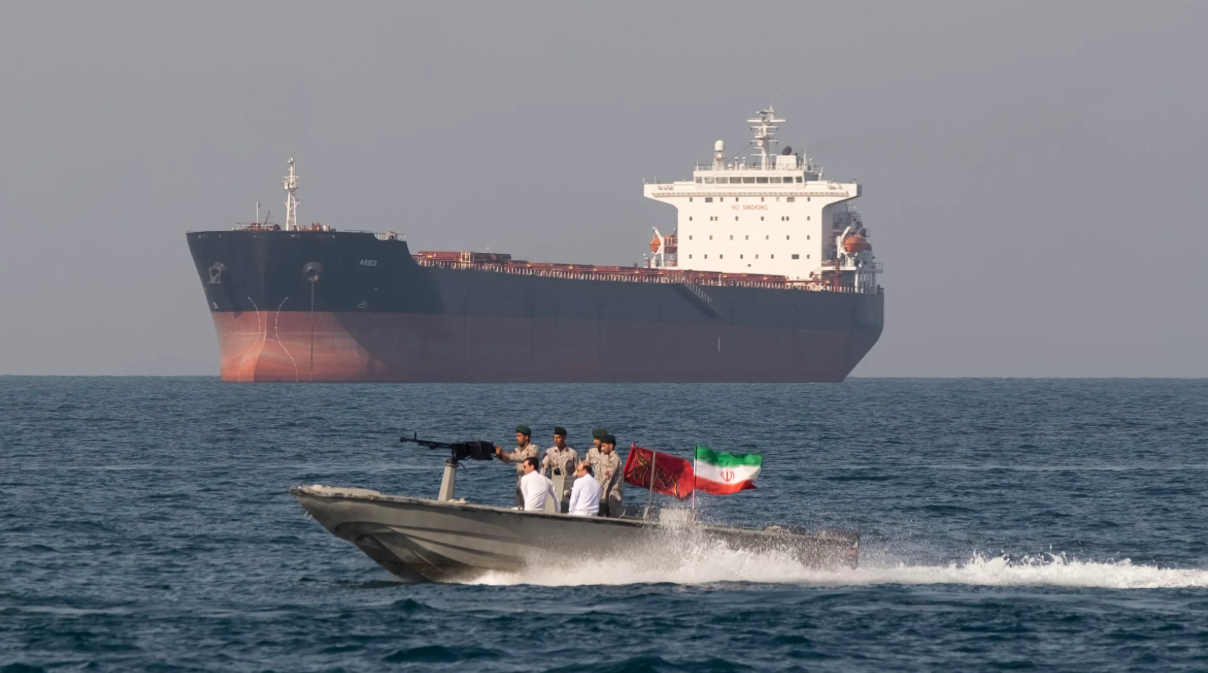
The IEA’s 400 million barrel release was the largest ever coordinated from strategic petroleum reserves, put together specifically to counter the global oil supply shock that a prolonged Hormuz shipping disruption can trigger. The Strait of Hormuz handles a massive share of the world’s seaborne oil, and any sustained blockage there moves Brent crude prices fast.
Brent crude surged nearly 20 percent anyway. Traders looked at the IEA reserve release and decided those barrels were simply not enough to offset weeks or potentially months of restricted tanker flow through the strait. The oil price surge continued, and $100 held as a floor rather than a ceiling.
Also Read: Morgan Stanley Warns on 60/40 as IRGC General Akhtari Signals $150 Oil
At this level, the oil price surge feeds directly into fuel, transport, and manufacturing costs globally. The 38 percent rise in Brent crude since the war began represents a deep and sustained repricing of energy risk. Global oil supply is tight, spare capacity among producers is limited, and there is no quick fix on the table.
The IEA has not ruled out further releases, but the market’s reaction to the first one raises real questions about whether another round would do anything meaningful. Hormuz shipping disruption remains the central variable, and until someone resolves that, $100 Brent crude looks less like a spike and more like the new baseline.
Also Read: BRICS Chair India Sides With Israel and Rushes to Buy Russian Oil