





Markets
April 5, 2026
Jet Fuel Restrictions Hit Bologna, Linate and Venice Airports
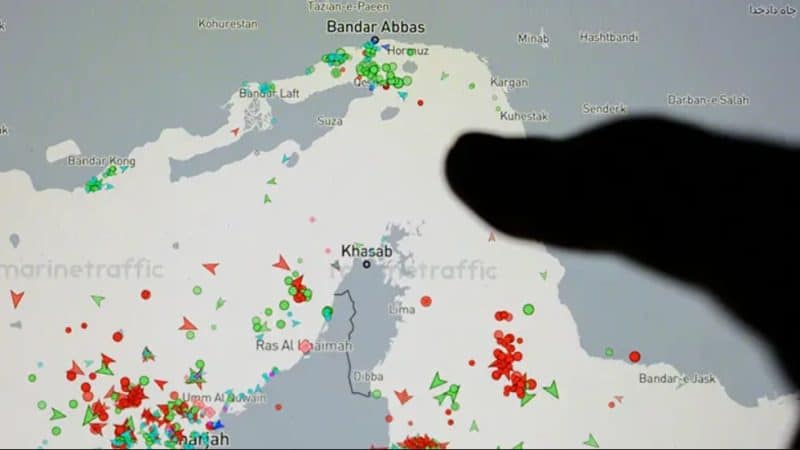
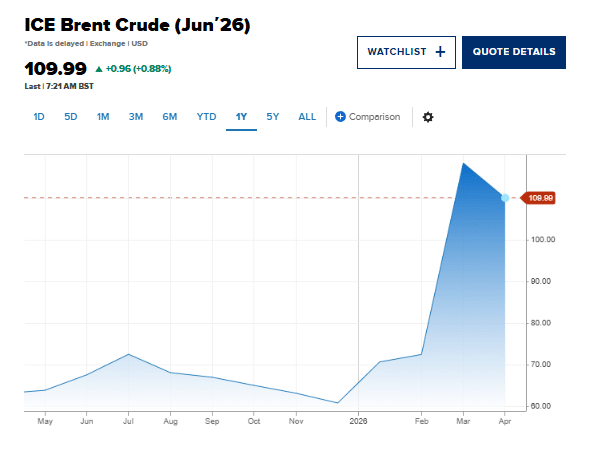
Oil prices are at $115 per barrel right now, and markets are not really sure what to do with that. Crude has jumped more than 71% over the last 36 days, and the main reason is simple and the Strait of Hormuz has been effectively shut since the war started on February 28. Washington and Tehran are apparently talking through Gulf state mediators, and also Pakistan and Egypt, about a possible 45-day ceasefire, but sources close to the talks say a deal before Tuesday is unlikely. This is Trump’s fifth deadline extension. He first threatened Iran’s power grid on March 21.
Also Read: IMF & World Bank Spring Meetings to Tackle Global Debt and Growth
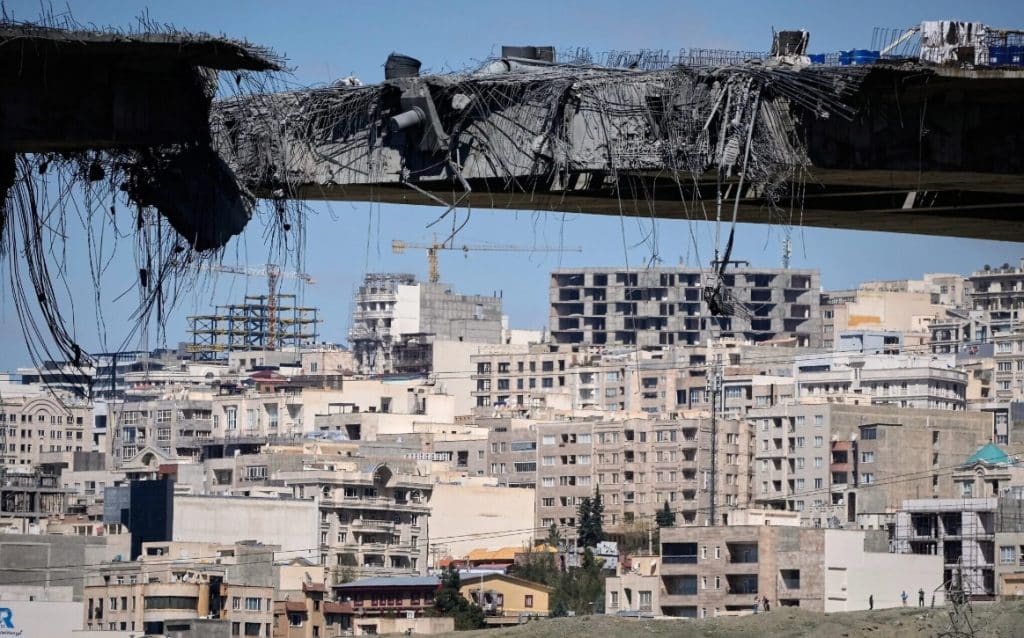
Sunday morning, Trump posted on Truth Social and crude oil markets moved within minutes. He later told Axios he thought a deal was still reachable. He also made clear what happens if it isn’t.
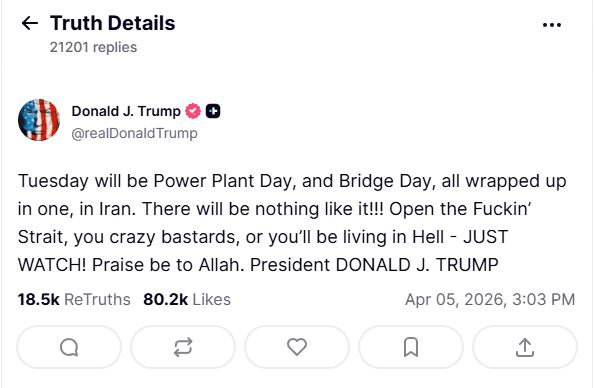
Trump posted on Truth Social:
“Tuesday will be Power Plant Day, and Bridge Day, all wrapped up in one, in Iran. There will be nothing like it!!! Open the Fuckin’ Strait, you crazy bastards, or you’ll be living in Hell – JUST WATCH!”
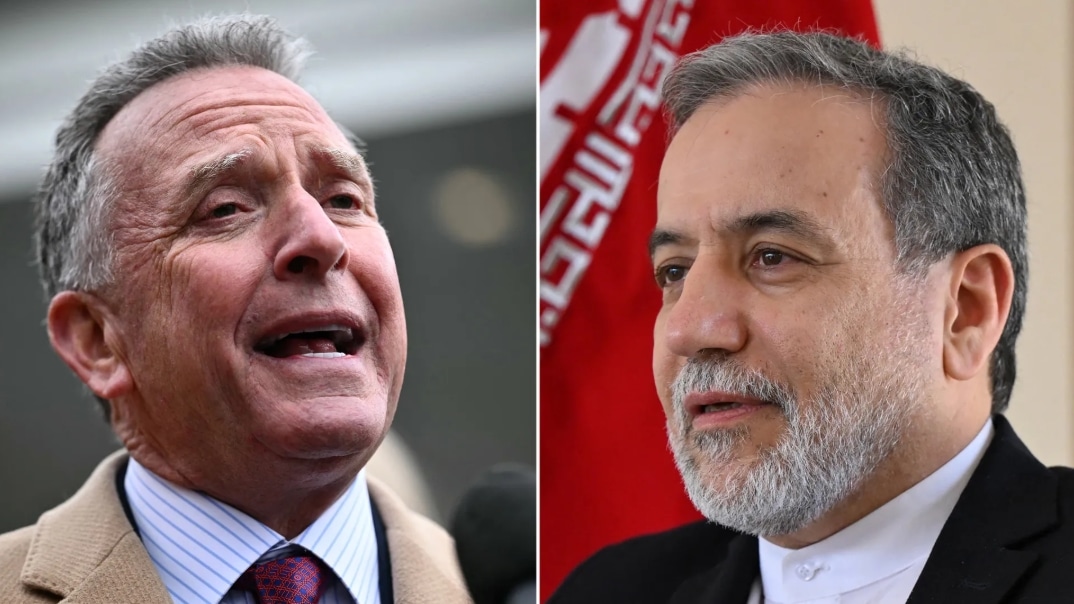
Iran’s answer came fast. A senior Iranian official said the Strait of Hormuz stays closed until the country gets full compensation for war damages. Foreign Minister Abbas Araghchi also went on X to push back on claims Tehran had refused diplomacy altogether:
“We are deeply grateful to Pakistan for its efforts and have never refused to go to Islamabad. What we care about are the terms of a conclusive and lasting end to the illegal war that is imposed on us.”
Also Read: Jet Fuel Restrictions Hit Bologna, Linate and Venice Airports
Axios reported Sunday, citing four U.S., Israeli and regional sources, that the deal being discussed runs in two phases: a 45-day pause first, then negotiations on ending the war for good. The Strait of Hormuz and Iran’s enriched uranium stockpile are both off the table for phase one. Iran won’t hand over its two main bargaining chips for just 45 days of calm. Mediators are also working on guarantees from the U.S. side, partly because Iran wants to avoid ending up in a situation like Gaza or Lebanon, where a ceasefire exists on paper and attacks resume anyway.
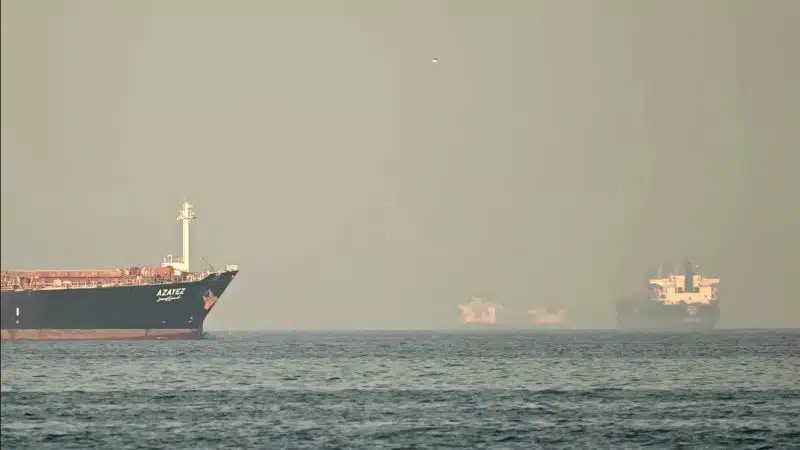
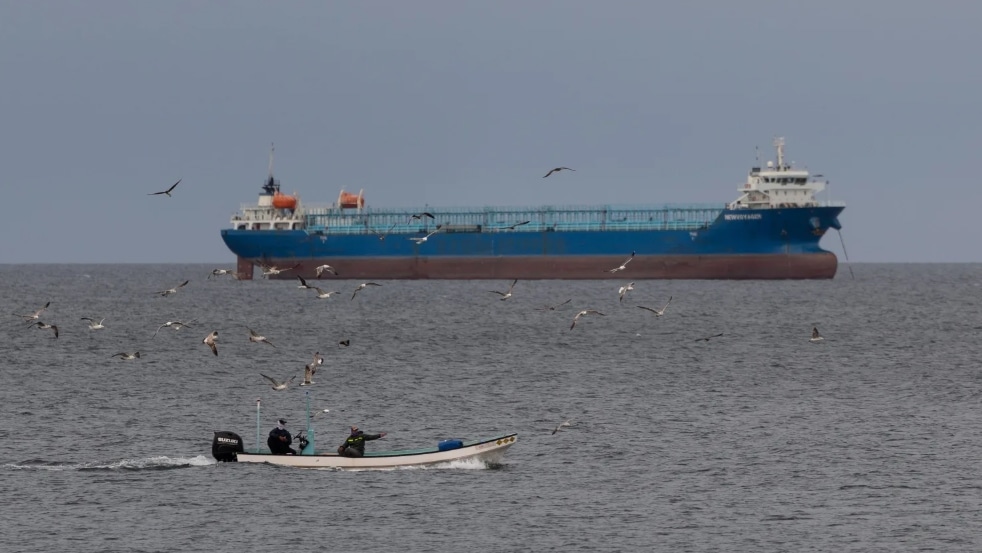
Some vessels have gotten through since Thursday, including an Omani tanker, a French-owned container ship and a Japanese gas carrier, but Iran controls which flags it lets pass. The IRGC Navy said Sunday the situation in the Strait of Hormuz will “never return” to what the oil price was before the war, and certainly not for the U.S. or Israel.
Crude oil hit close to $120 intraday before pulling back after the Axios ceasefire report crossed. At the time of writing, WTI holds around $114 to $115. OPEC+ agreed a 206,000 barrel per day increase for May, but analysts are treating that number as mostly symbolic, since several member countries simply cannot ship through the Strait of Hormuz right now.
Gas at the pump in the U.S. reached $4.11 a gallon on Sunday, up from $2.98 before the war started. In Europe, jet fuel shortages are forcing Italy to limit supplies at airports.
Homin Lin, senior macro strategist at Lombard Odier, said:
“The question is whether or not a more favourable outcome can be reached without another round of exchanges that can potentially narrow the path to lower intensity conflict in the medium term. As long as the anxious wait for Iran end-game clarity continues, markets will likely remain volatile.”
And even if a deal does come together, crude oil prices are not expected to snap back. Rystad Energy analyst Matthew Bernstein warned that the war already changed the structure of the market:
“Moving forward, there will be no going back to the prewar status quo. Prices will be supported even after the war ends by new demand for stockpiling, heightened insurance and freight costs associated with the Strait of Hormuz, and a broader geopolitical risk premium in the market.”
Also Read: Charles Schwab to Enter the Crypto Trading Space By June 2026