









Business
March 26, 2026
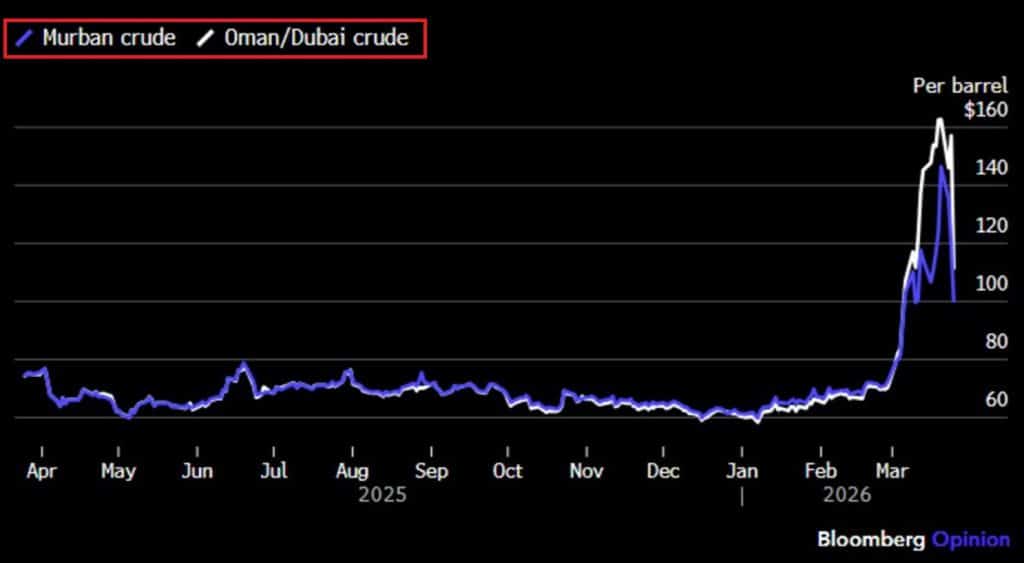
The oil price drop is all that is currently trending across markets. Oman crude has collapsed 46% in just nine days. This is because traders are reassessing risks tied to the Iran conflict. Prices dropped by nearly $80 per barrel from recent highs and are reflecting a quick unwind of the war-related premium. The move suggests that, amidst the Iran war, the oil market is already factoring in some level of de-escalation, even without any official confirmation from governments.
Also Read: Gold Bear Market: Down 27% in Its Longest Losing Streak Since 1920
Oman and Dubai crude fell more than $45 in a single day. It dropped to around $110 per barrel after trading above $140 earlier this month, according to recent data.
Such moves are uncommon for these benchmarks, which are closely tied to physical oil trading in Asia. Unlike Brent and WTI, which are influenced by futures markets, Oman and Murban crude tend to reflect actual demand for cargoes more directly.
The decline appears linked to changing expectations around the conflict. Reports of a pause in potential US strikes on Iranian energy infrastructure have reduced concerns about immediate disruptions. As a result, traders are starting to price in the possibility of an Iran war ceasefire, which is now showing up in oil markets. But Iran has denied all these claims.
Also Read: $580M Oil Bet 15 Min Before Trump’s Iran Post Points to Insider Trading
The scale of the move points to a pullback in spot demand. Both Oman and Dubai crude track physical cargoes into Asia. The drop suggests refiners are stepping back from aggressive buying rather than just financial positions being unwound.
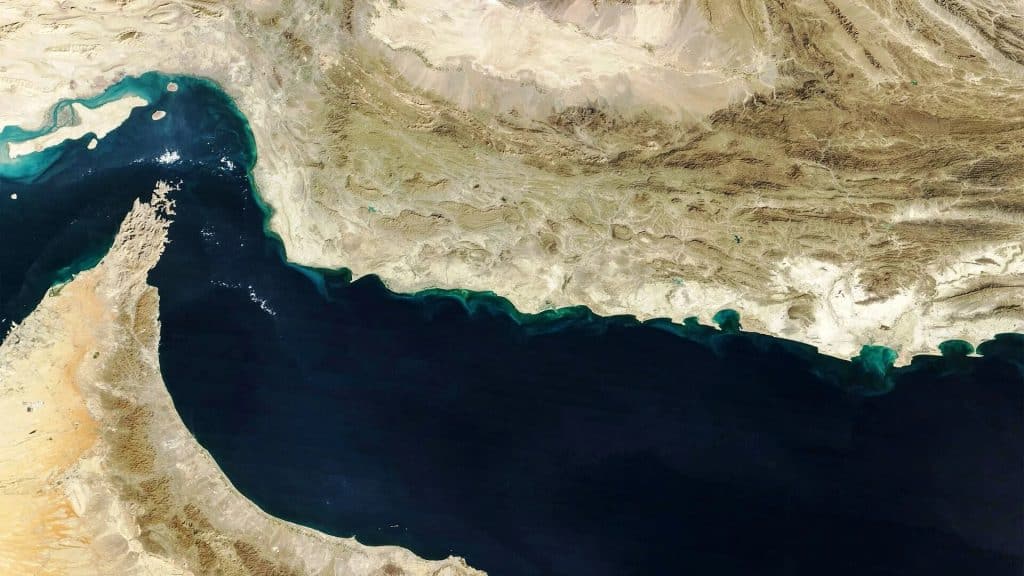
Earlier this month, prices in these benchmarks had surged on fears of disruption to Middle East supply. This is particularly through the Strait of Hormuz. That disruption has not materialized so far. It should be noted that around 20% of global oil flows through this route.
With supply continuing to move, the risk premium built into prices is now being unwound. Recent International Energy Agency (IEA) data reveals that supply could outpace demand by over 2 million barrels per day in 2026. The IEA has also pointed to steady supply and higher non-OPEC output in recent months.
The Oman crude oil crash is now pulling prices back toward Brent and WTI levels. Earlier this month, markets were expecting global benchmarks to catch up. But that did not occur. Amidst the Iran war, the oil market is reacting to expectations rather than confirmed developments, with traders adjusting positions as the outlook changes.
Also Read: Iran War Triggers Chip Shortage and Your Next Device Pays for It