



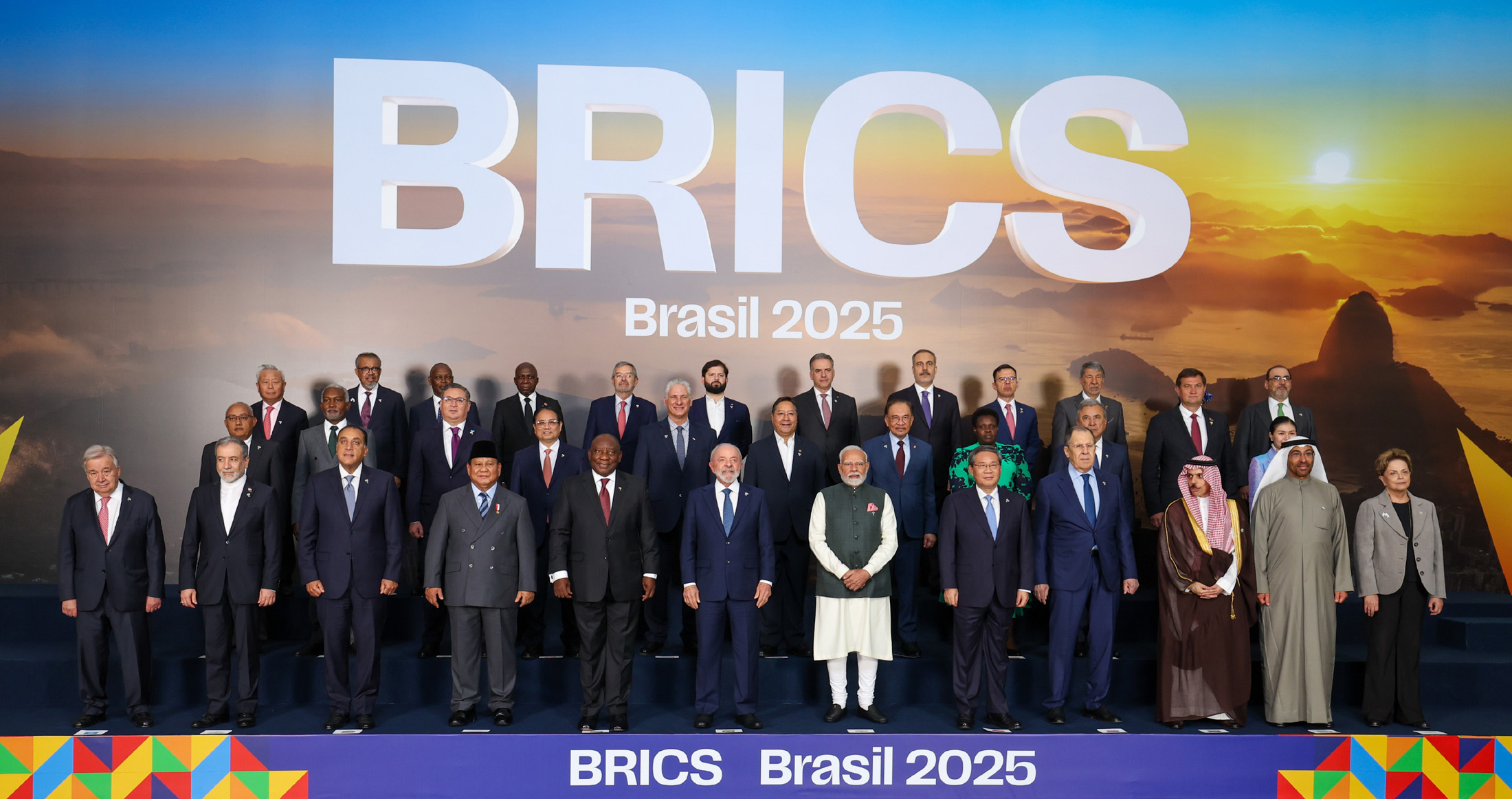
BRICS
March 23, 2026
BRICS, G7 & NATO Split on Iran, Energy Crisis Equal to 70s Oil Shocks
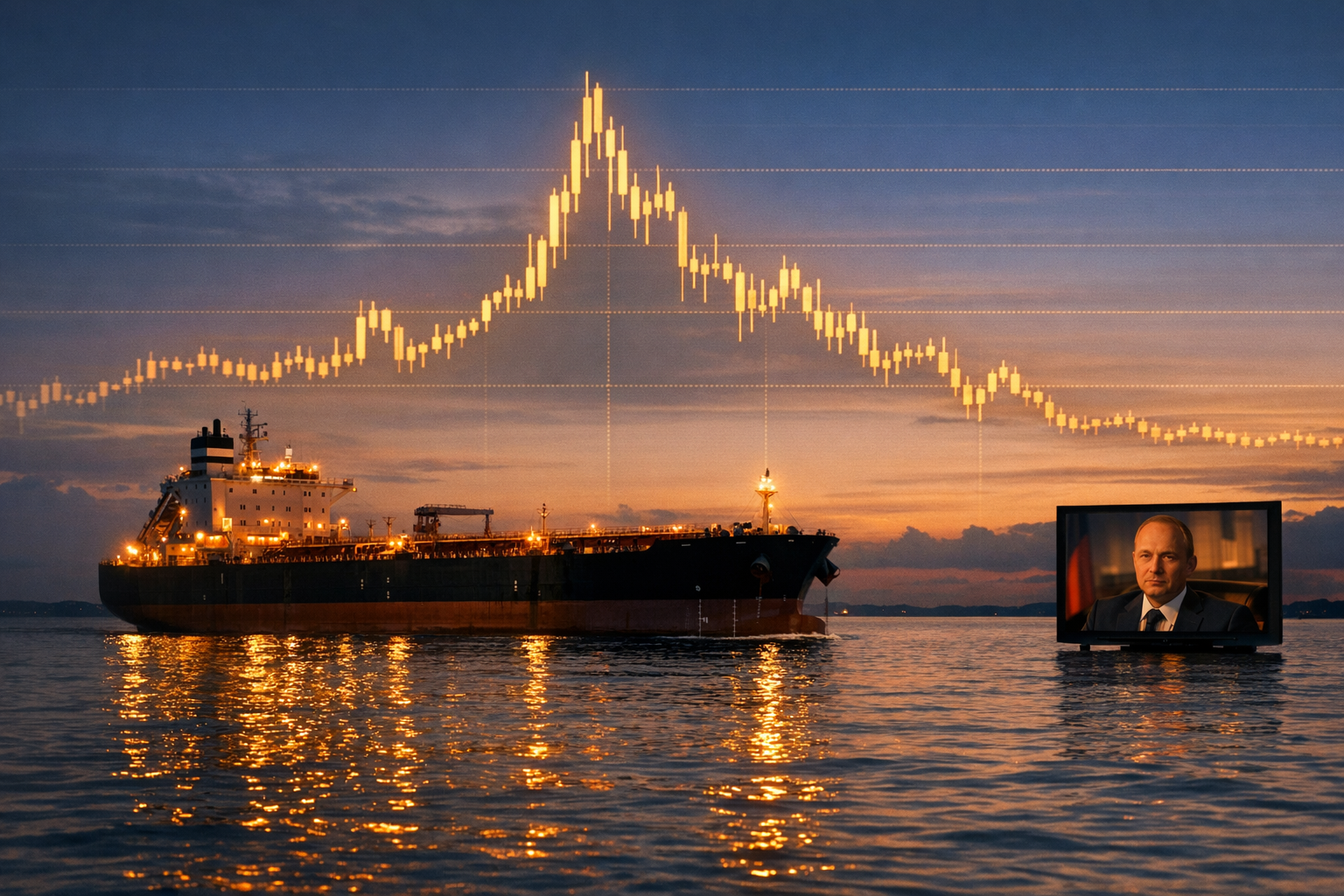
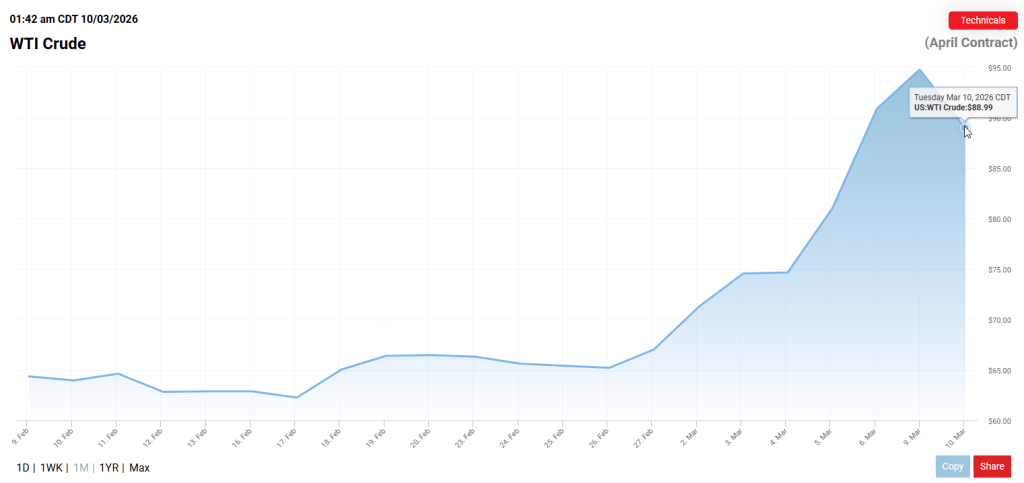
Oil price Iran war volatility reached a historic level on Monday as WTI crude swung $38 in a single session, the widest trading range since oil briefly turned negative during the pandemic. Crude smashed through $100 a barrel before tumbling as much as 10% to $85.52 after Trump signaled the conflict was nearing its end.
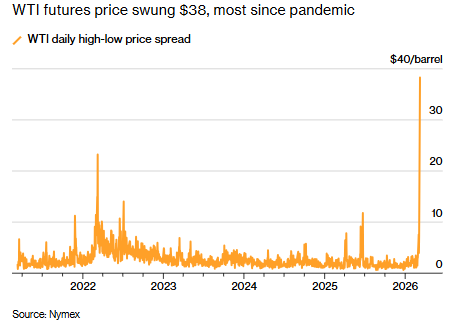
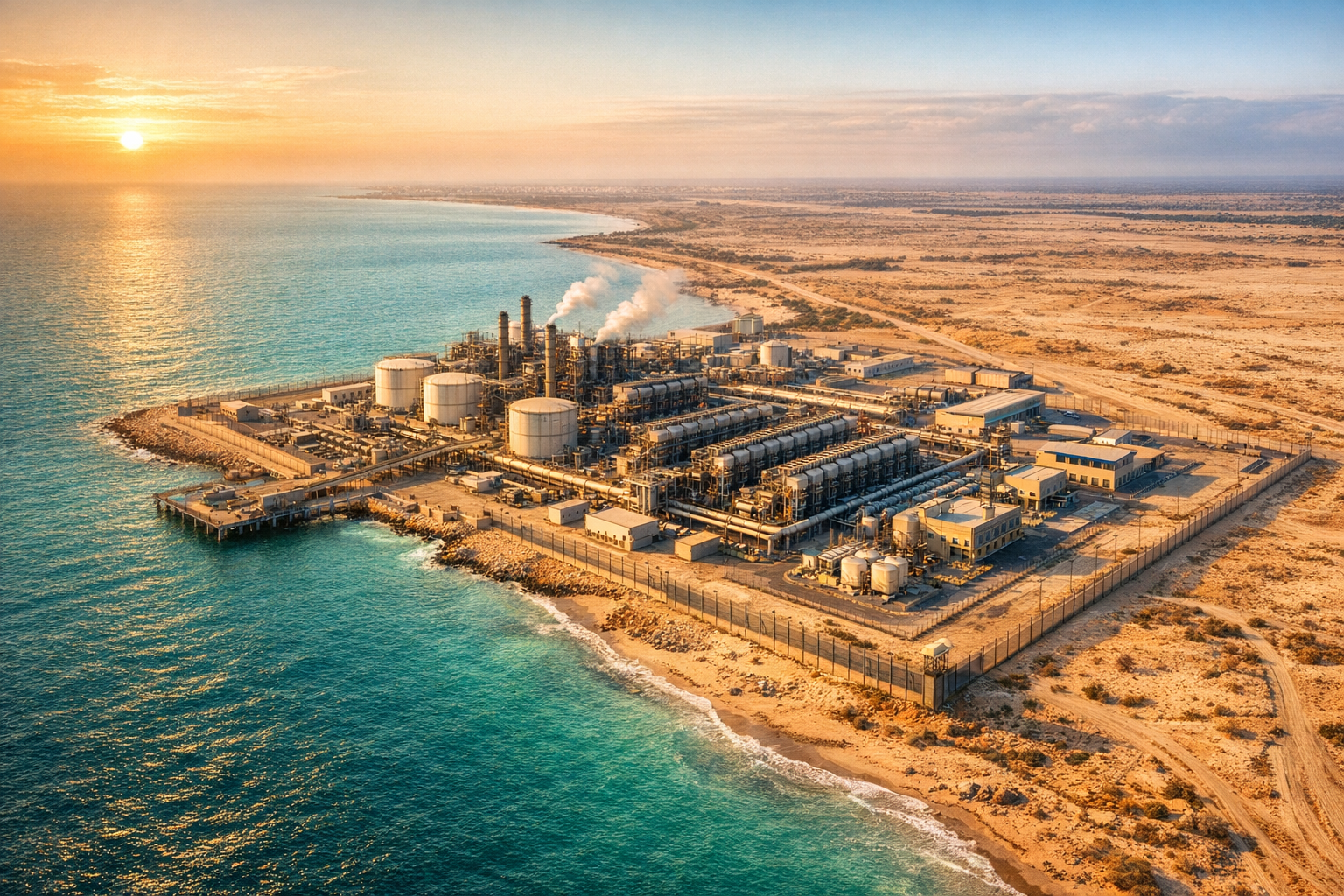
The Strait of Hormuz oil disruption remains active, Gulf producers are still cutting output, and the US has told G7 partners that Russia sanctions relief is temporary.
Also Read: BRICS: India Says It Never Needed US ‘Permission’ to Buy Russian Oil
Trump told CBS News on Monday he believed the Iran war was “very complete, pretty much,” triggering a sharp reversal in WTI crude price after a session that had already seen Brent hit levels not seen since 2022. Brent tumbled about $20 from its intraday high, marking the largest-ever single-session drop from an intraday peak to close on record.
Trump also told Republican lawmakers at his Doral resort:
“I think you’ll see it’s going to be a short term excursion.”
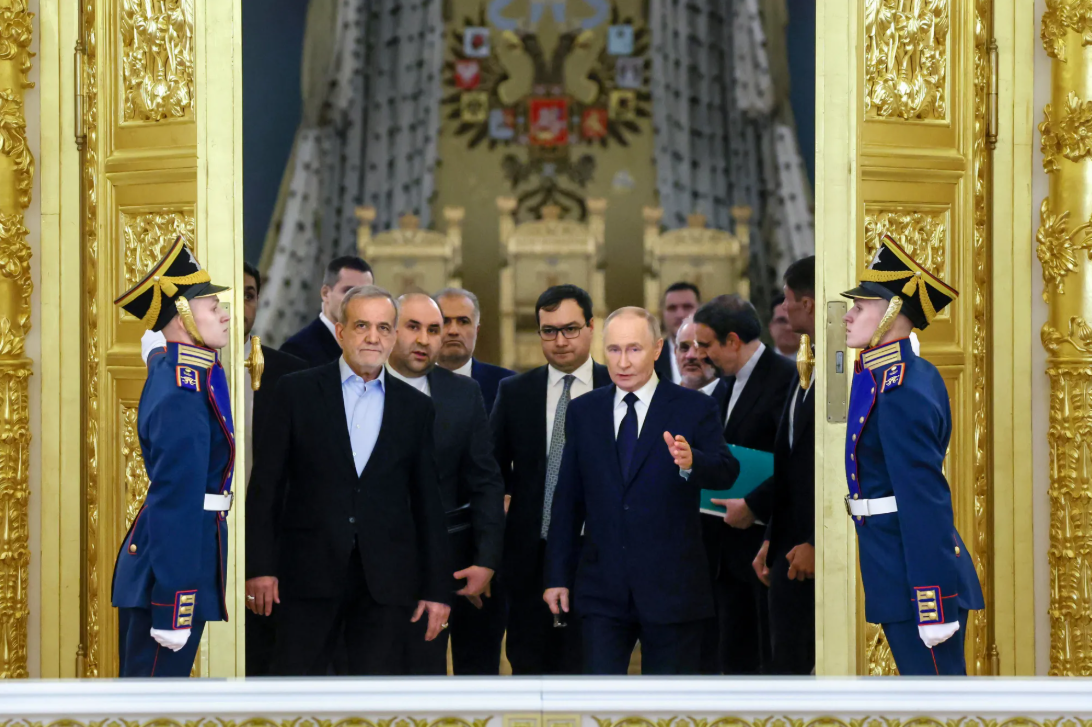
The oil price Iran war shock has not eased on the supply side. Saudi Arabia, Iraq and the UAE are still curtailing output as storage across the Persian Gulf fills with crude that cannot be moved. Putin warned the situation could get worse, stating:
“Oil production dependent on the Strait of Hormuz risks halting completely within the next month. It has already begun to decline, and storage facilities in the region are filling with oil that cannot be transported.”
Also Read: Bitcoin Price Forecast as Oil Surges Toward $120 in Iran War Market Shock
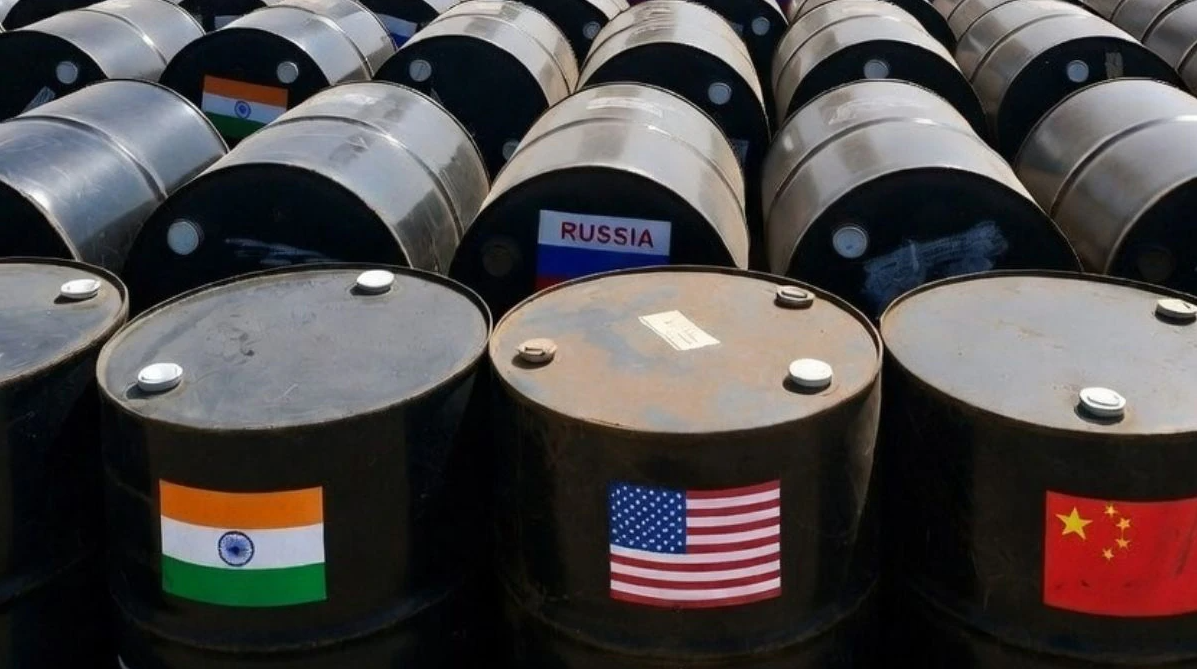
WTI crude fell on the same day the US told G7 partners it would offer only limited and temporary sanctions relief for Russia, according to the EU’s economy chief. The news broke during a G7 finance ministers call held Monday, shortly after Washington issued a waiver allowing India to buy Russian oil cargoes at sea.
Putin made a direct offer to European buyers, saying:
“We’re ready to work with Europeans too. But we need some signals from them that they’re ready and willing to work with us and will ensure this sustainability and stability.”
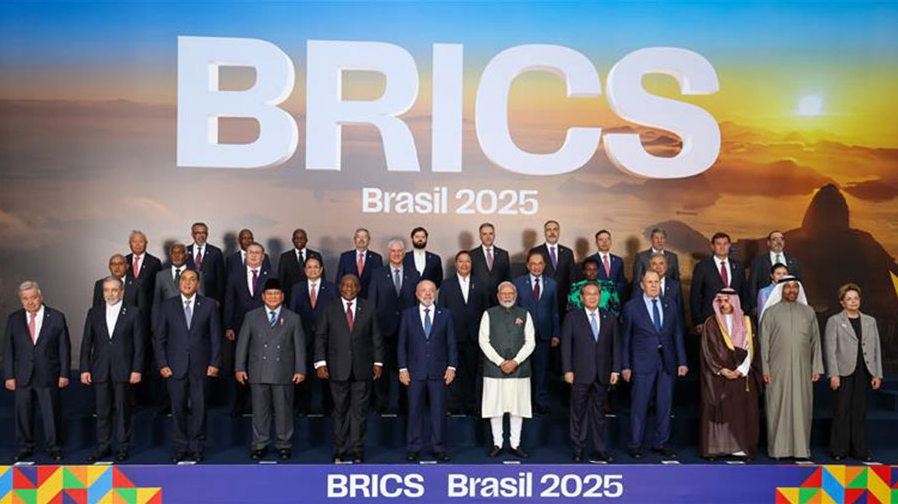
G7 nations said they were prepared to take “necessary measures” on oil price Iran war pressures but stopped short of committing to an emergency reserve release.
Also Read: The Gulf’s Most Vulnerable Commodity: A $3.16T Region’s Water Under Attack