






Business
March 28, 2026
The Joint Ministerial Monitoring Committee meets next week to review the current Global Oil Supply landscape. They plan to evaluate if the existing OPEC+ Production Policy requires adjustments to counter rising non-OPEC output. Market analysts expect a rollover of current cuts to maintain upward price momentum. This strategic move helps solidify the Crude Market Stability sought by major Gulf producers. The resulting announcement will set the tone for energy trading throughout April.
Also Read: Investors Eye March Employment Data as Inflation Pressures Cool

The OPEC+ Production Policy is undergoing a significant transition from emergency response to proactive market management. Ministers are now prioritizing long-term Crude Market Stability over immediate market share gains. This strategic pivot reflects a desire to keep prices buoyant as global demand enters a seasonal shift. Analysts suggest that the group will likely maintain its Voluntary Output Cuts through the next quarter.
Such discipline demonstrates a unified front against rising production from non-member nations. By tightening the OPEC+ Production Policy, the alliance effectively floors the price of Brent crude. This move provides a predictable environment for global energy investors. Furthermore, the shift signals that major exporters are willing to sacrifice volume for price integrity.
Market participants expect the Joint Ministerial Monitoring Committee to endorse this conservative stance on Wednesday. A formal extension would reinforce the current Energy Sector Outlook for high-yielding petroleum stocks. Consequently, the OPEC+ Production Policy remains the most influential lever in the global commodities market today. This coordinated effort ensures that supply does not outpace the recovering global industrial demand.
Also Read: XRP Ledger Gets AI Security Upgrade as Ripple Expands Institutional Use Cases
The current Energy Sector Outlook is increasingly defined by a significant contraction in Global Oil Supply. Escalating regional conflicts in West Asia, particularly involving major producers like Iran, have forced unexpected production halts across several key offshore fields. These disruptions come precisely as the alliance attempts to pivot its OPEC+ Production Policy toward modest increases. Consequently, the market is struggling to find a balance between planned output and forced outages.
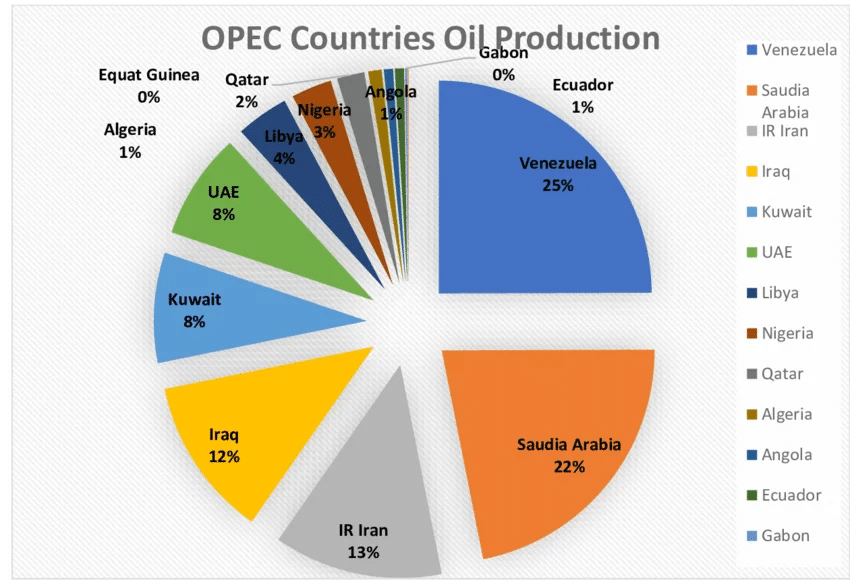
This tightening effect has bolstered prices, helping to maintain the Crude Market Stability that many analysts feared would collapse earlier this year. Investors are now weighing the impact of disrupted transit routes in the Middle East against the group’s commitment to Voluntary Output Cuts. As reported by BlockNow this decision comes as Russia’s oil revenue hit $760 million.
While some members possess spare capacity, the logistical hurdles created by these tensions make a swift supply recovery unlikely. For now, the combination of geopolitical risk and disciplined policy remains the dominant driver of the crude market.
Also Read: Morgan Stanley’s Bitcoin ETF Is Imminent as Iran War Wipes $3.5T From Stocks