








Markets
March 31, 2026
UAE Fuel Prices Surge as Two Global Oil Chokepoints Come Under Pressure
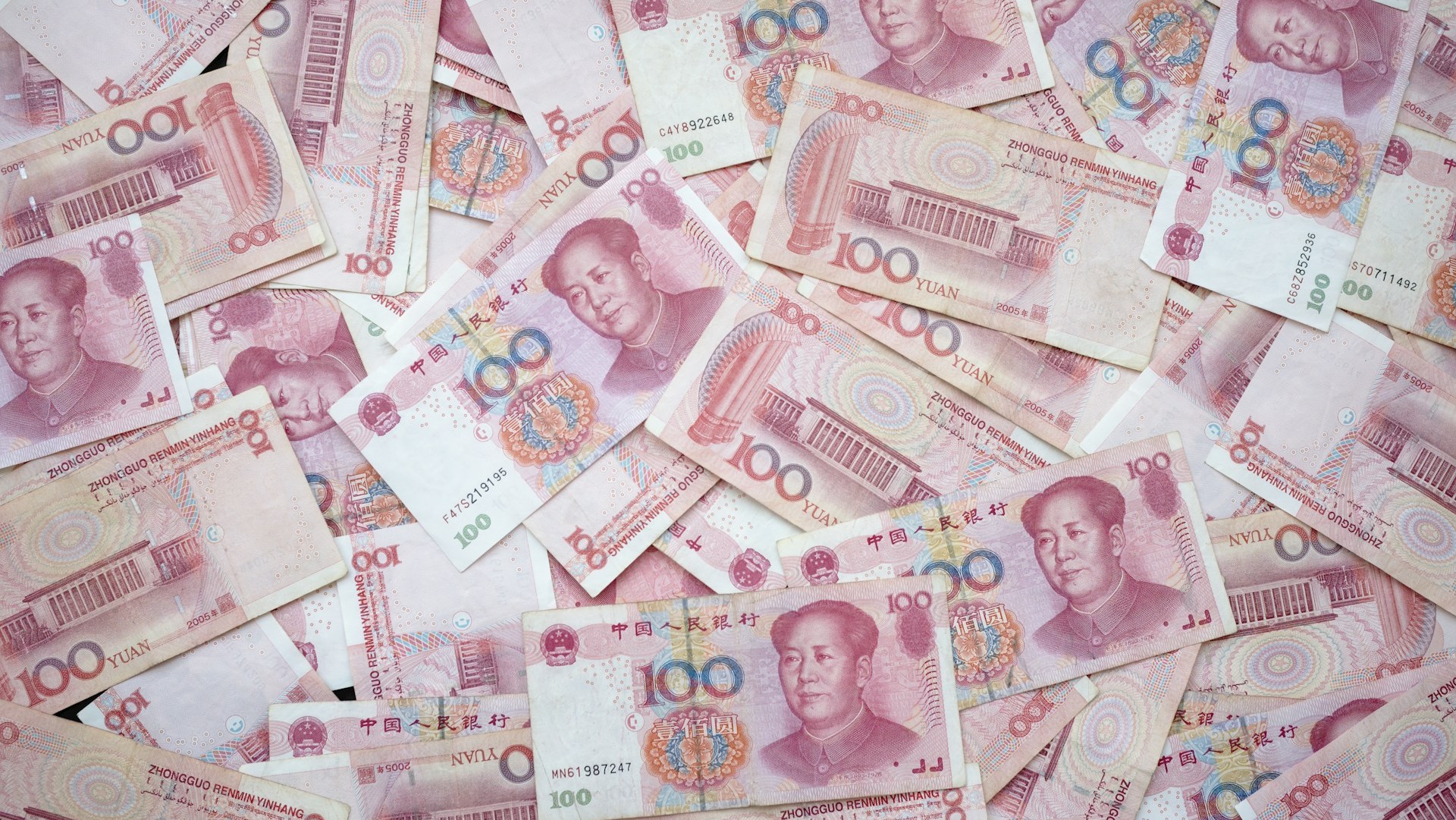
People’s Bank of China’s (PBOC) yuan intervention has ended the currency’s strongest rally in more than a decade, signaling that Beijing was concerned about the impact of the yuan’s gains on deflation and on local exporters, according to Bloomberg.
The bank has decided to lower the foreign exchange risk reserve ratio for forward foreign exchange sales from 20% to 0%, effective from March 2, 2026. The new China currency policy effectively lowers the cost for investors and companies betting against the yuan, halting the latest yuan rally.
Also Read: SBI and Startale Launch JPYSC, Japan’s First Regulated Japanese Yen Stablecoin

People’s Bank of China released a statement on February 27, 2026, announcing the changes. It read (translated to English),
“To promote the development of the foreign exchange market and support enterprises in managing exchange rate risks, the People’s Bank of China has decided to lower the foreign exchange risk reserve ratio for forward foreign exchange sales from 20% to 0, effective March 2, 2026.”
Highlighting the bank’s future outlook, the statement added,
“Going forward, the People’s Bank of China will continue to guide financial institutions to optimize their exchange rate hedging services for enterprises and maintain the basic stability of the RMB exchange rate at a reasonable and balanced level.”
The policy shift comes after months of steady yuan appreciation. Many policymakers raised concerns about how these rapid gains could hurt exporters by making Chinese goods costlier. The latest changes also target FX forward contracts.
Also Read: J.P. Morgan Warns Gold Price Surge Isn’t a One‑Way Bet as Risks Build
Before lowering the reserve requirement on foreign-exchange forward contracts to 0%, the People’s Bank of China was setting slightly lower daily reference rates to curb the yuan’s appreciation. It put a 2% limit on the currency’s appreciation and depreciation.
Reacting to the PBOC yuan intervention, Fiona Lim, a strategist at Maybank, said to Bloomberg,
“This is one of the tools expected to be utilized to slow the appreciation of the yuan against the dollar. The PBOC is sending a clear messaging with its recent fix that although the central bank does not oppose yuan gains, the pace should be curbed.”
China’s move is an attempt to balance between a stable currency and protecting economic growth from an excessive yuan rally. For now, the move has ended the currency’s longest rally in a decade.