






XRP
March 23, 2026
Ripple Payments is now a fully licensed stablecoin platform and global payout network, letting banks, fintechs, PSPs, and enterprises collect, hold, convert, and pay out in both fiat and stablecoins across 60+ markets. The upgraded system handles the full payment lifecycle through a single stack, removing the need for pre-funded nostro accounts and replacing slow cross-border settlement with real-time flows. Over $100 billion in payouts have been processed across the network to date.
Also Read: Strait of Hormuz Closure and Rumaila Shutdown Spark Fears of $100 Oil, $4 Gas
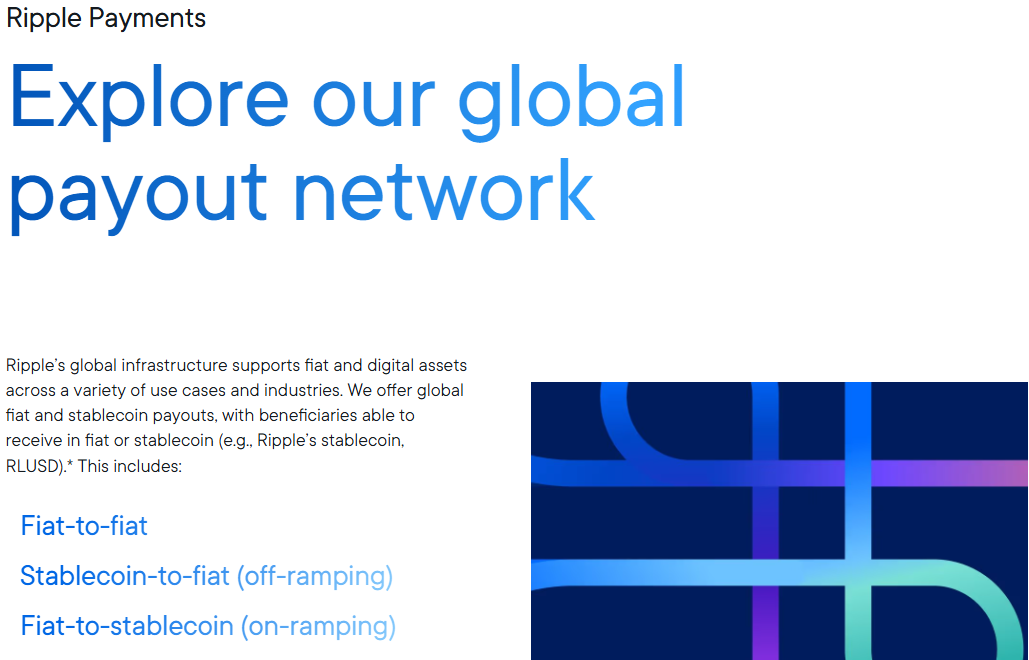
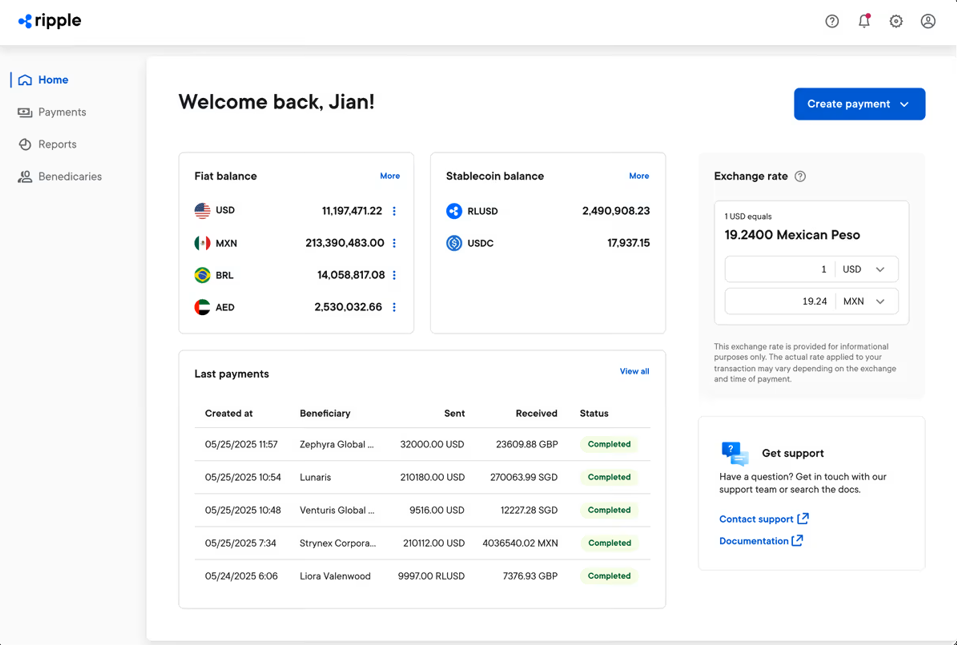
The Ripple stablecoin platform now handles custody, liquidity, FX conversion, virtual accounts, collections, and payouts in one place. Users manage fiat currencies alongside RLUSD and USDC from a single dashboard, with live exchange rates and real-time payment routing. The global payout network supports fiat-to-fiat, fiat-to-stablecoin, and stablecoin-to-fiat flows, so recipients can receive in whichever format suits them.
Also Read: KOSPI Crash Triggers Korea’s Biggest Two-Day Market Collapse Since 2008
Ripple holds 75+ active licenses and MTLs across the US (MTL), UAE (DFSA), and Singapore (MAS), with EU and UK EMI licenses pending. That regulatory coverage is what makes Ripple Payments viable for regulated institutions at scale, and it also separates the Ripple stablecoin platform from newer, less-regulated competitors.

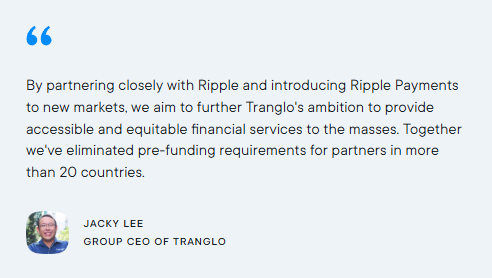
Partners have been central to rolling this out. Jacky Lee, Group CEO of Tranglo, stated:
Also Read: Nvidia’s $4B Optics Bet Reshapes the Global AI Supply Chain
The Ripple Payments stablecoin and fiat infrastructure puts Ripple in direct competition with Swift, Circle, JPM Coin, and Visa B2B rails, offering real settlement across 60+ markets rather than just messaging. For institutions dealing with slow settlement cycles and high pre-funding costs, this addresses both problems through one licensed, end-to-end stack.