





Markets
April 8, 2026
Shiba Inu & XRP Land on Rakuten Wallet as SHIB Pockets 4% Gains
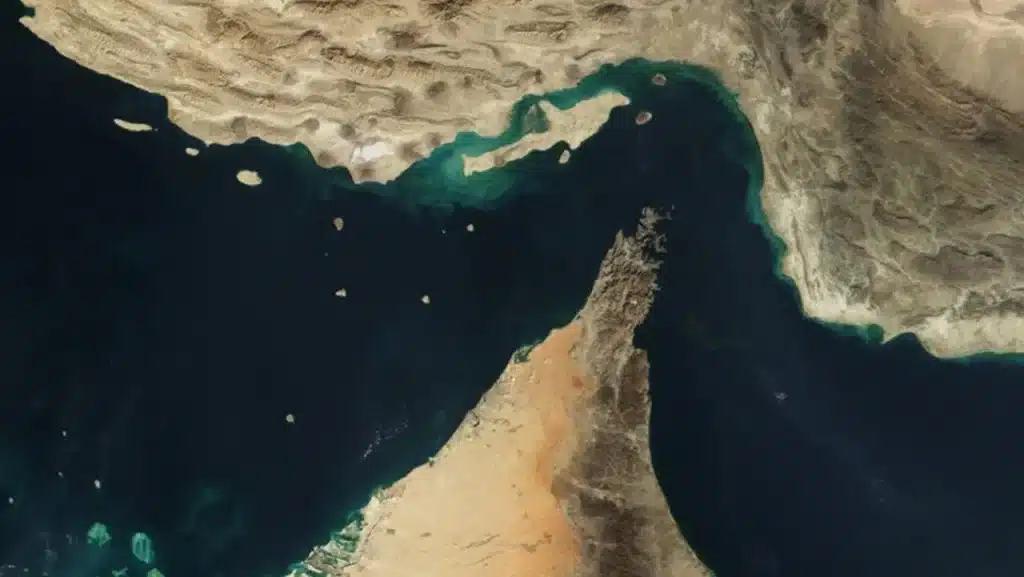
A ceasefire between the US and Iran has done little to restore normal flows through the Strait of Hormuz. Ship tracking data shows only seven vessels transited the route in the 24 hours after the agreement. This is bleak compared to a pre-war average of more than 130 per day. More than 800 ships remain in the region, waiting for clarity on whether passage is actually possible.
Also Read: Shiba Inu & XRP Land on Rakuten Wallet as SHIB Pockets 4% Gains
The gap between official statements and what is really happening on the ground remains wide. US Defense Secretary Pete Hegseth said the Strait is open following the Iran ceasefire order. But shipowners and operators are still holding back. Several companies told CNBC they have no clear guidance on how to transit safely or who to coordinate with.
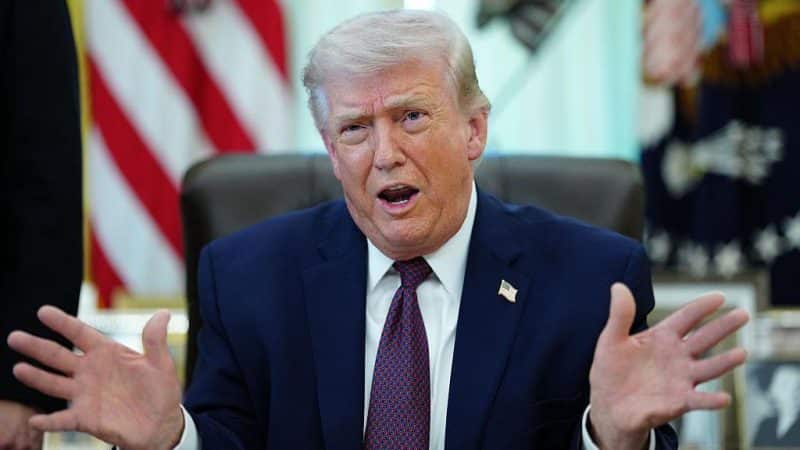
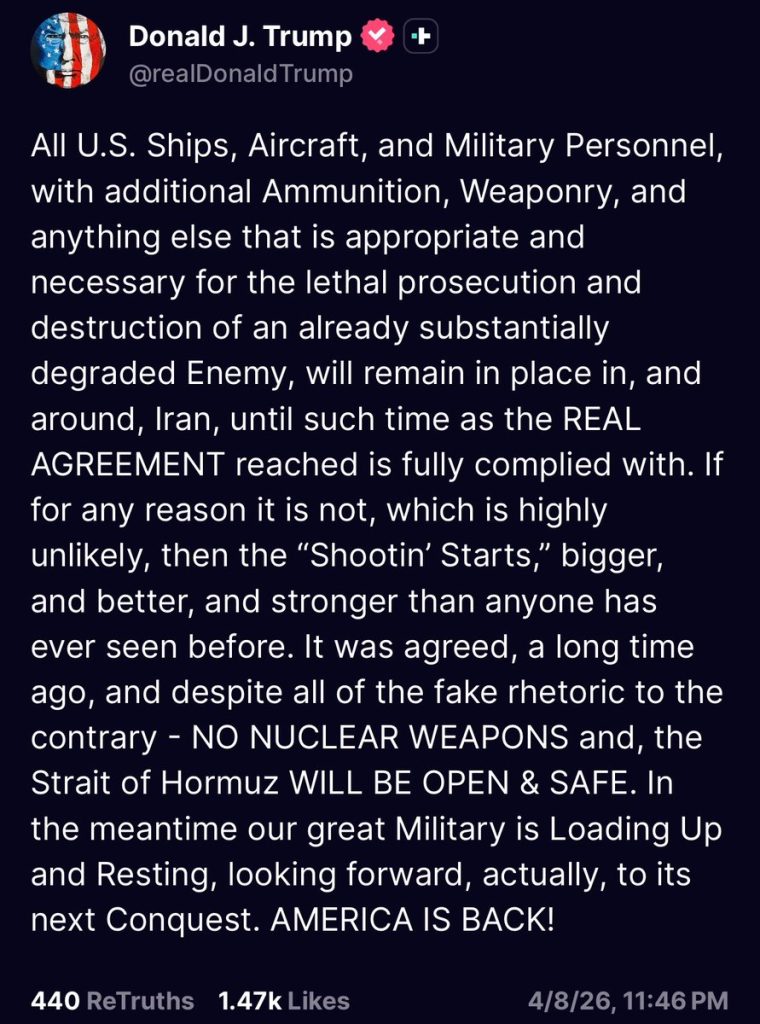
But President Donald Trump struck a more forceful tone in a Truth Social post.
Recent data shows that at least 426 oil tankers, along with 34 LPG carriers and 19 LNG vessels, are still waiting in the Gulf. These vessels make up a significant portion of global energy trade. It should be noted that about 20% of the world’s oil and LNG moves through the strait.
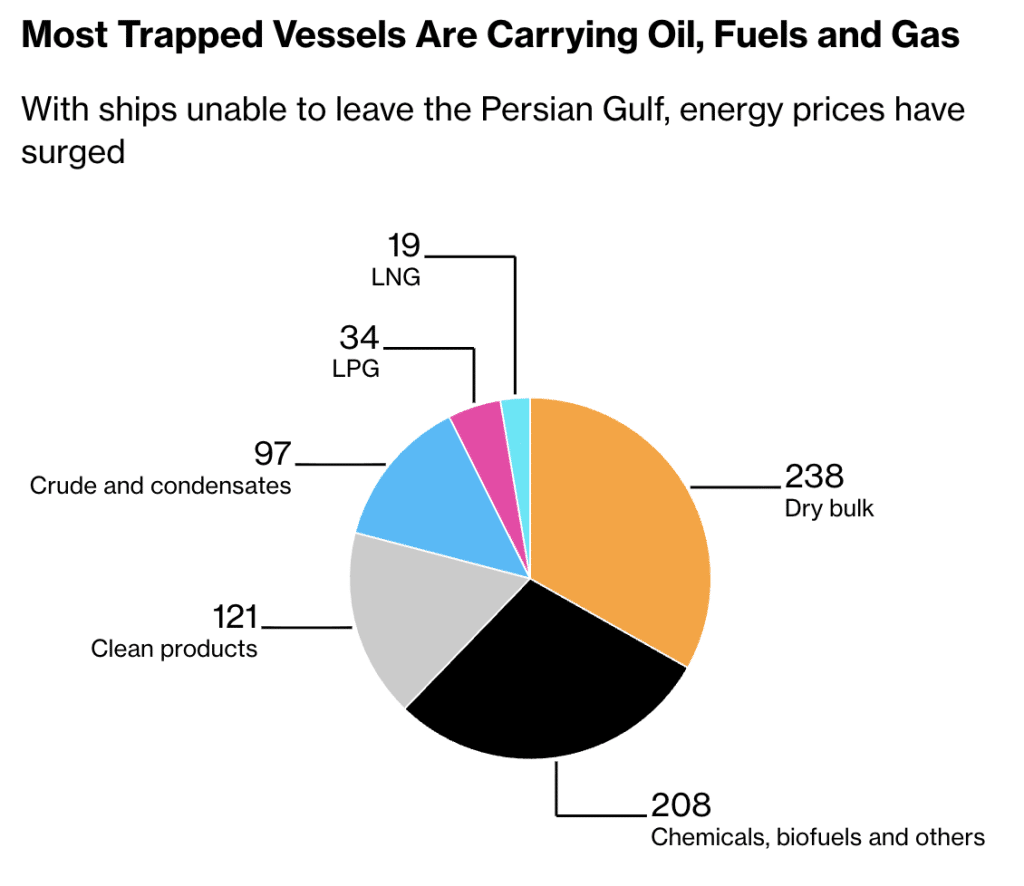
Traffic remains limited. Iran is reportedly allowing only around 10 to 15 ships per day to pass. This is well below normal levels. Some of the vessels that have crossed are bulk carriers rather than oil tankers. This points to how energy flows are still constrained. Matt Smith, an oil analyst at Kpler, said,
“We may just see 10-15 [vessels] given that Iran is still vetting who goes through: that would be a similar pace to that seen in recent days.”
Also Read: Atkins Confirms Crypto Regulation Safe Harbor Is One Step From Going Live
A key point of uncertainty is Iran’s reported toll system. Multiple reports indicate that Tehran may charge up to $2 million per ship for passage. This comes alongside inspections and mandatory coordination with its armed forces. In addition, certain reports also suggest a tiered structure based on cargo.
The latest proposal has drawn pushback. Oman has said tolls cannot be imposed on the waterway. Meanwhile, US officials have previously described such a system as illegal. Despite this, President Donald Trump suggested a potential “joint venture” with Iran to manage shipping fees. This is before the White House clarified that the US position remains that the strait should reopen without restrictions.
Shipping companies are taking a cautious approach. Maersk said the ceasefire could create transit opportunities, but does not yet provide enough certainty to resume operations. Hapag-Lloyd has stated it will continue avoiding the route for now. Maersk stated,
“Information and details available remain very limited, and we are working with urgency to obtain further clarity. The ceasefire may create transit opportunities, but it does not yet provide full maritime certainty, and we need to understand all potential conditions attached.”
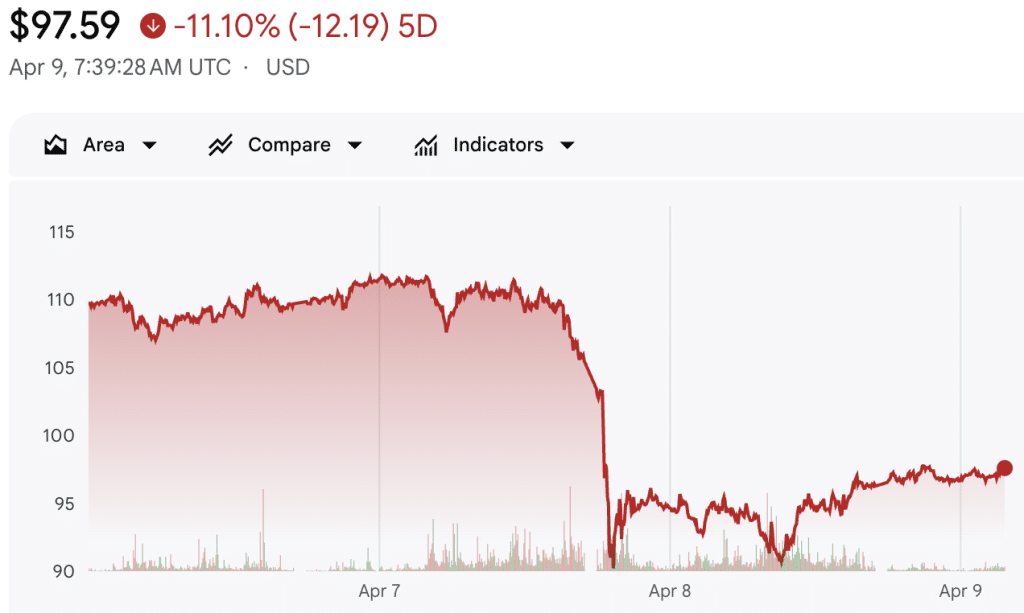
The disruption is reflected in prices. The oil price is trading around $97 per barrel, up from about $67 before the conflict. Analysts say even if Hormuz shipping resumes immediately, supply chains will take weeks to normalize due to the backlog and ongoing safety concerns.
Also Read: UBS Stablecoin Pilot Advances Swiss Franc Stablecoin Push in Switzerland