


General Crypto
April 3, 2026
Pam Bondi Is Out, Blanche Is In and Coinbase Just Got Its Federal Charter
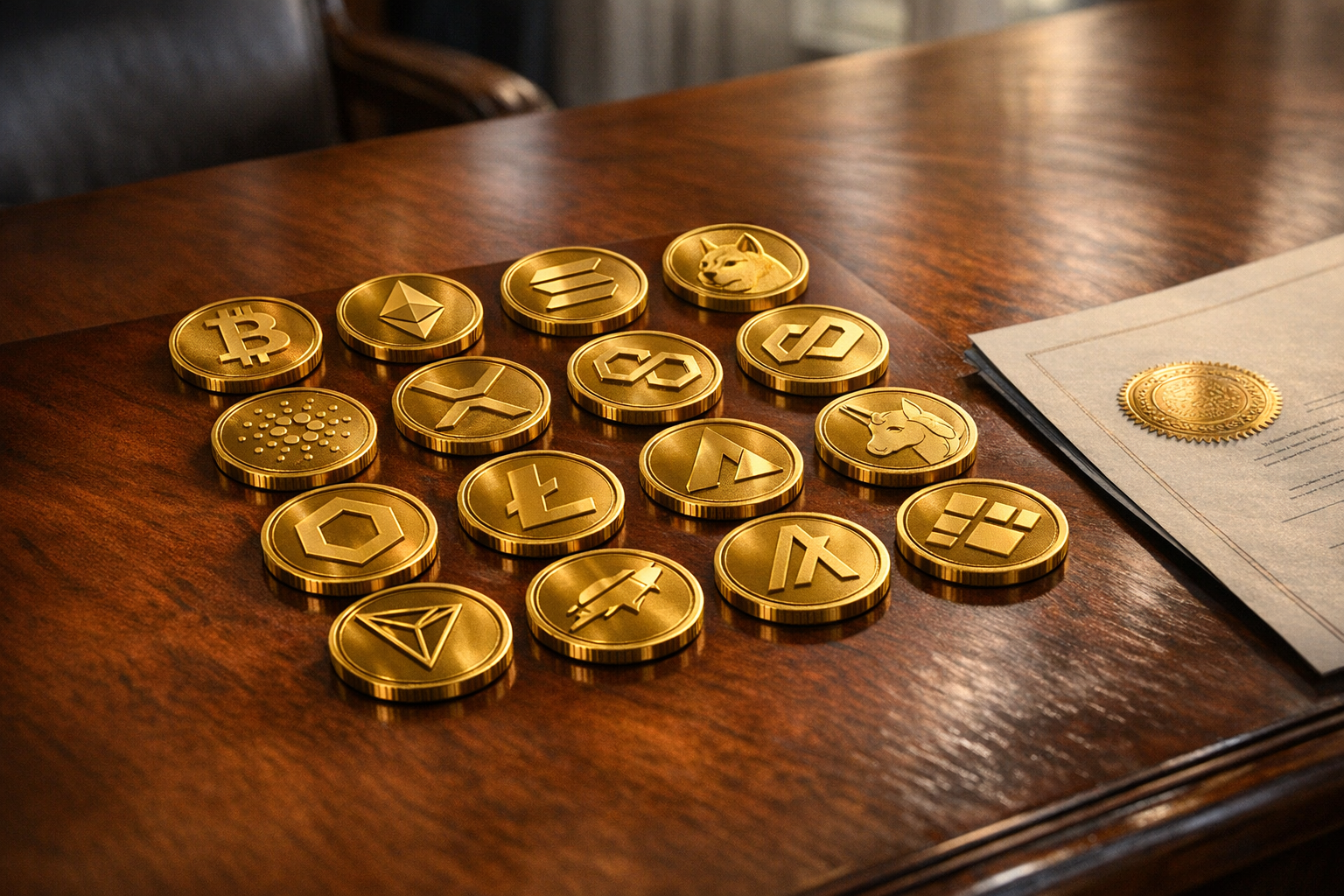
The SEC crypto taxonomy for 2026 is now official. On March 17, 2026, the SEC and CFTC jointly released a 68-page interpretation, the most significant SEC CFTC crypto ruling in the history of digital assets, that formally classified 16 crypto assets as digital commodities, not securities, under US law. These are the assets now outside SEC jurisdiction: XRP, XLM, LTC, BCH, DOGE, ETH, SOL, ADA, AVAX, DOT, ALGO, APT, LINK, HBAR, XTZ, and SHIB. We’re calling them The Clean 16.
| Coin | Ticker | Price (Mar 18, 2026) |
|---|---|---|
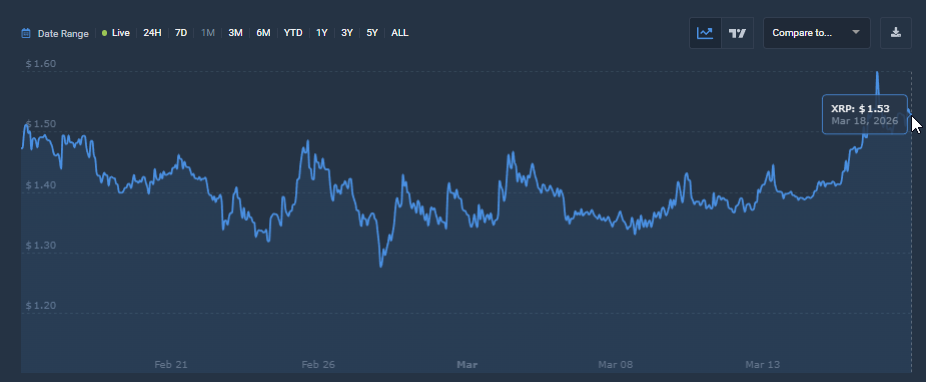
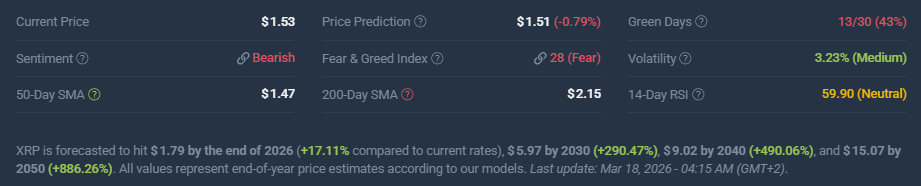
| XRP | XRP | $1.53 |
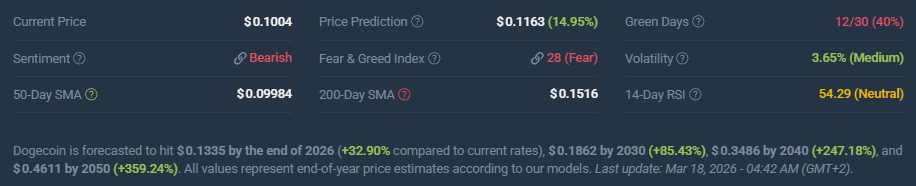
| Dogecoin | DOGE | $0.1004 |
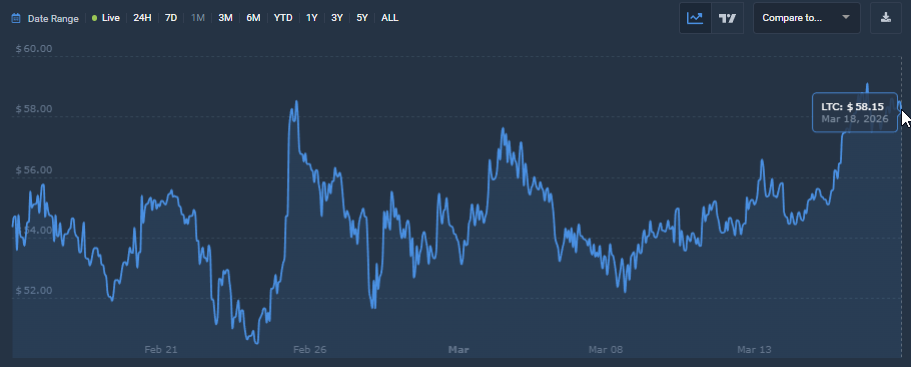
| Litecoin | LTC | $57.87 |
| Bitcoin Cash | BCH | $471.06 |
| Stellar | XLM | $0.1727 |
| Ethereum | ETH | $2,317.63 |
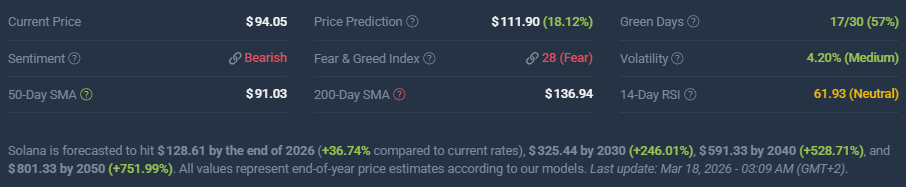
| Solana | SOL | $94.05 |
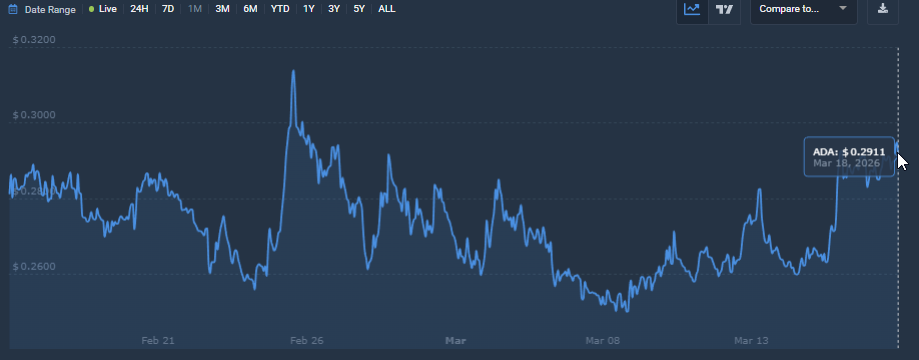
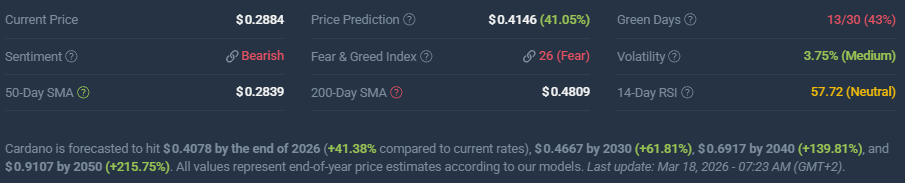
| Cardano | ADA | $0.2884 |
| Avalanche | AVAX | $10.36 |
| Polkadot | DOT | $1.60 |
| Algorand | ALGO | $0.0943 |
| Aptos | APT | $0.9908 |
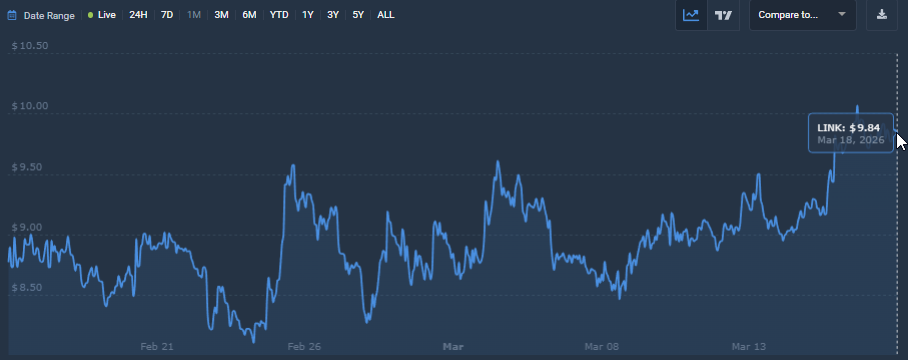
| Chainlink | LINK | $9.81 |
| Shiba Inu | SHIB | $0.0000604 |
| Hedera | HBAR | $0.09923 |
| Tezos | XTZ | $0.399 |
SEC Chairman Paul S. Atkins said the interpretation ends more than a decade of uncertainty, giving market participants a clear picture of how the SEC treats crypto assets under federal securities laws, and that drawing clear lines in clear terms is exactly what regulatory agencies are supposed to do.
Bitcoin is not on the Clean 16 because it never needed to be. The SEC has treated Bitcoin as a commodity since 2015 and its status was never in dispute. The Clean 16 covers the assets that previously existed in regulatory grey zones, the ones institutions could not confidently hold, list, or build products around until this ruling.
Also Read: Ripple Files for Brazil Central Bank License With $100B Payments Network
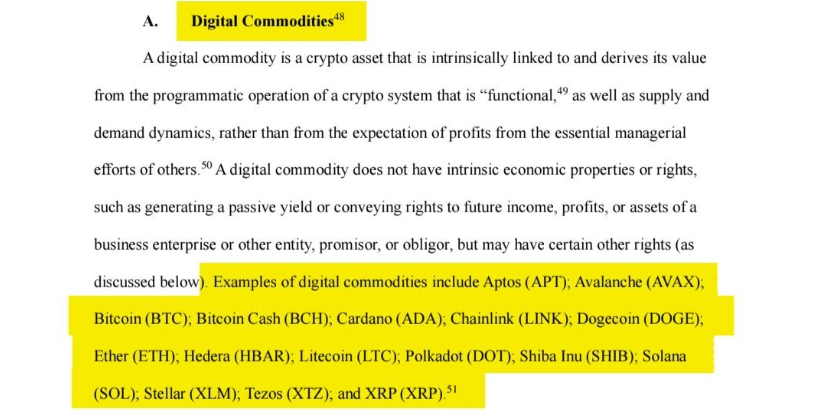
Digital commodity status means the SEC no longer has securities jurisdiction over these assets. No securities registration, no enforcement exposure, and institutional investors can engage without the legal risk that has shadowed the space for years.
The ETF pathway, already opened for Bitcoin and Ethereum, is now a realistic conversation for every asset in The Clean 16. The list breaks into three groups: payment coins, smart contract platforms, and DeFi and infrastructure assets.
Also Read: SEC Declares XRP a Digital Commodity and Admits a Decade of Crypto Failure
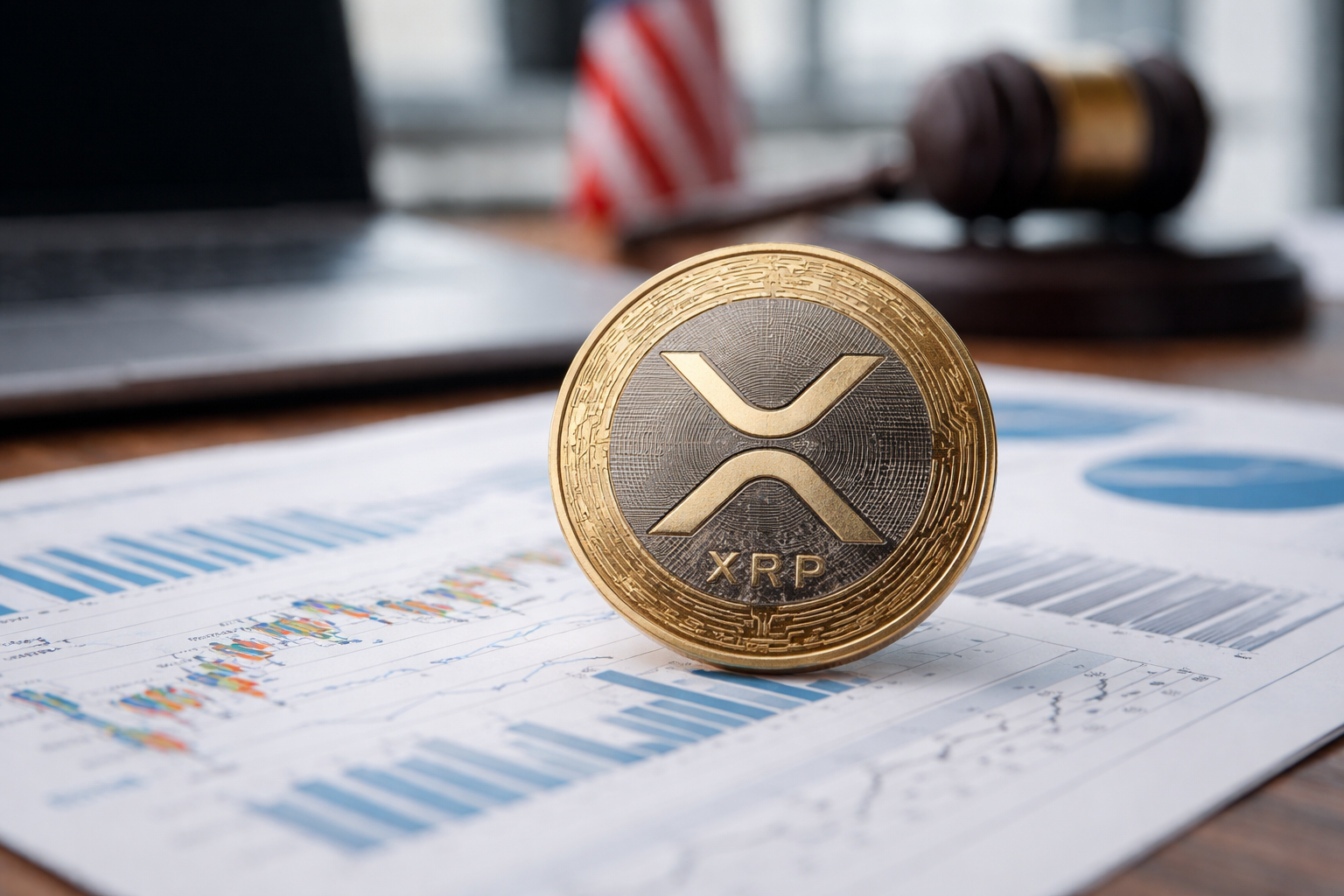
Ripple’s XRP is the biggest winner on the SEC digital commodity list. Ripple’s chief legal officer Stuart Alderoty confirmed the classification the same day. For a coin that spent years at the center of an SEC lawsuit, the formal commodity designation is a full reversal of everything that came before it.
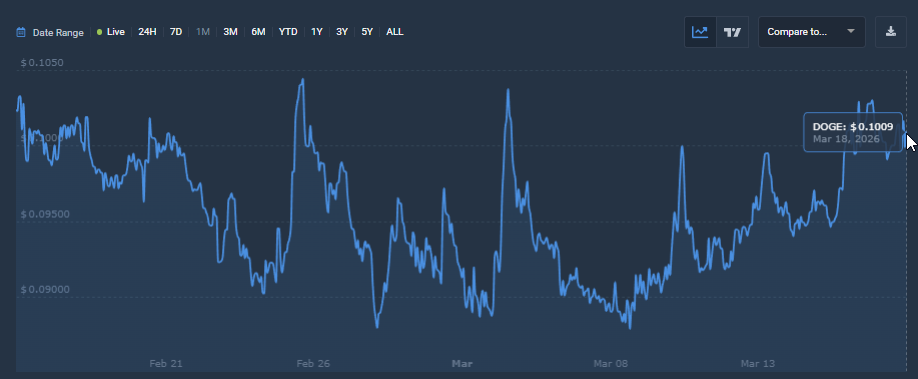
Dogecoin (DOGE) started as a meme and has somehow ended up with more institutional legitimacy than most projects launched by serious teams. Its inclusion in the SEC CFTC crypto ruling confirms that regulatory classification is based on how an asset functions on its network, not what it was originally created for.
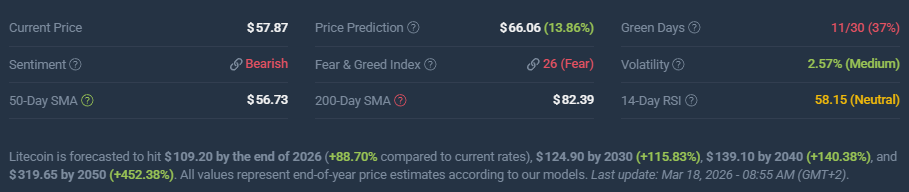
Litecoin (LTC) is one of the oldest assets in crypto, created in 2011 as a faster and lighter version of Bitcoin. Its commodity status has been assumed informally for years and The Clean 16 framework makes it official.
Bitcoin Cash (BCH) and Stellar (XLM) also received commodity classification under The Clean 16 framework, confirming that payment-focused assets are treated based on function rather than origin.
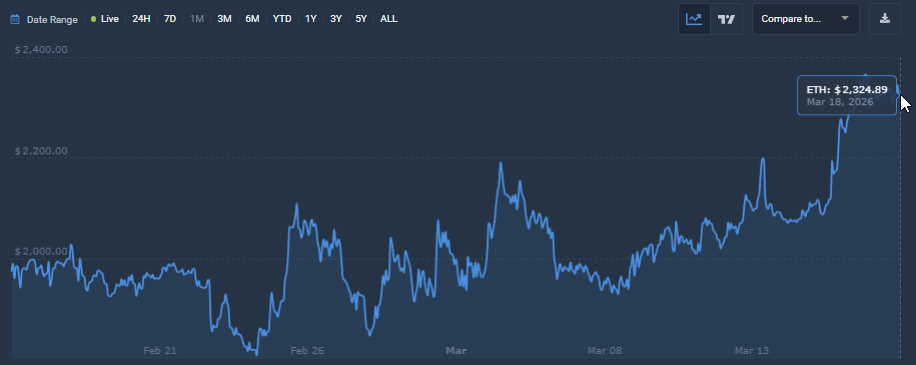
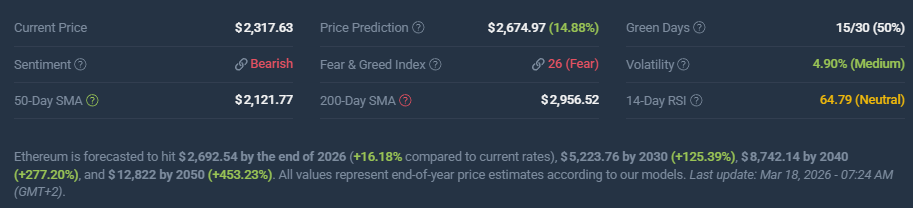
Ethereum (ETH) is the backbone of decentralized finance, NFTs, and real-world asset tokenization. Its inclusion in the XRP ETH commodity SEC framework formalizes what the market had largely assumed after last year’s spot ETF approvals. Added to this, it also removes any remaining ambiguity about its regulatory status going forward.
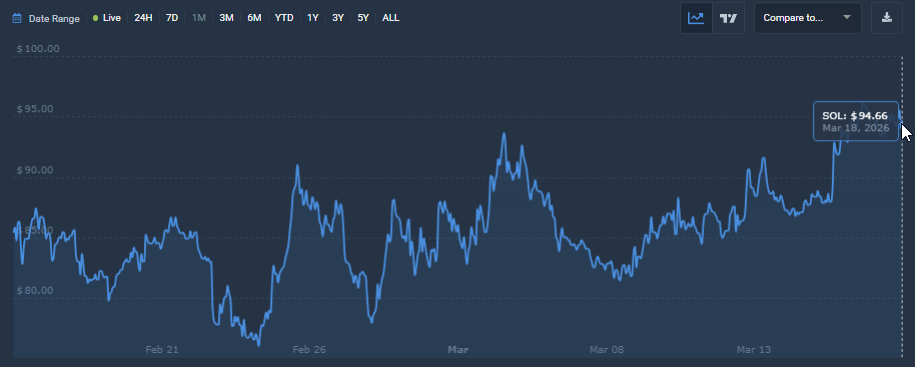
Solana (SOL) is one of the most actively used blockchains in the world and already had a spot ETF approved ahead of this ruling. The Clean 16 classification puts it on the same regulatory footing as Ethereum, which matters a lot for institutional products being built on top of it.
Cardano (ADA) took the academic-first, peer-reviewed approach to blockchain development that many dismissed as slow. Under the crypto not security 2026 framework, that methodical path to decentralization appears to be exactly what the SEC considers consistent with commodity status.
Avalanche (AVAX), Polkadot (DOT), Algorand (ALGO), and Aptos (APT) also made The Clean 16, extending the commodity framework to newer-generation blockchains and interoperability networks.
Also Read: Wall Street Is Going 24/5 and Killing Quarterly Reports in the Same Week
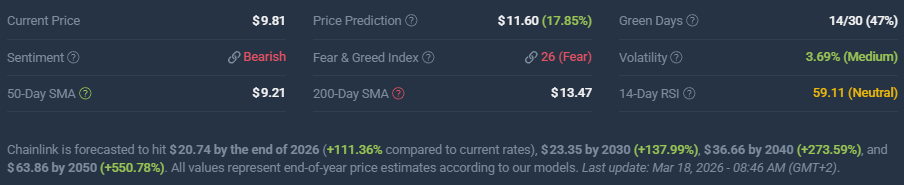
Chainlink (LINK) feeds real-world data into smart contracts across virtually every major DeFi protocol. Its commodity classification under the SEC CFTC crypto ruling establishes that infrastructure-layer tokens are not automatically securities just because they power other protocols.
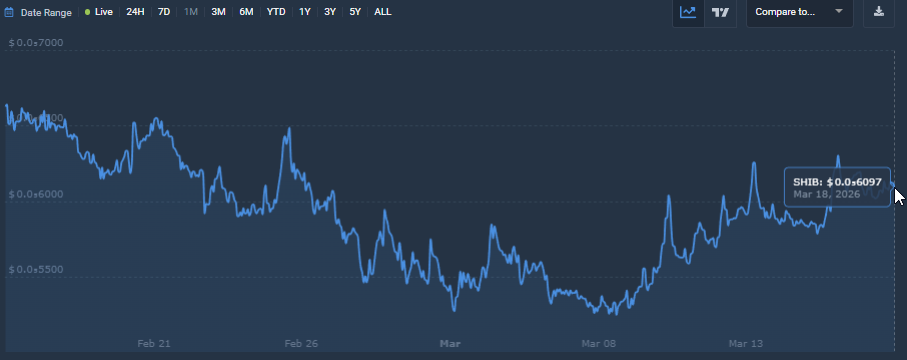
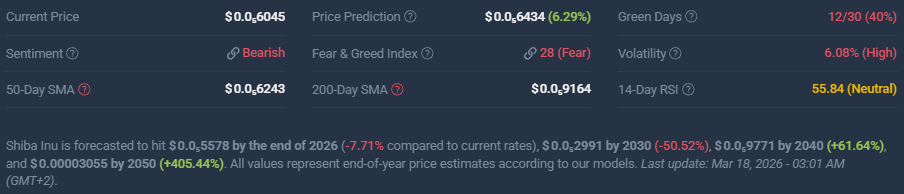
Shiba Inu (SHIB) is the most surprising name on the entire list. A meme coin that launched in 2020 with no formal team or roadmap, it is now formally a digital commodity under US law.
The SEC digital commodity list does not make exceptions for how an asset started, only for how it functions right now.
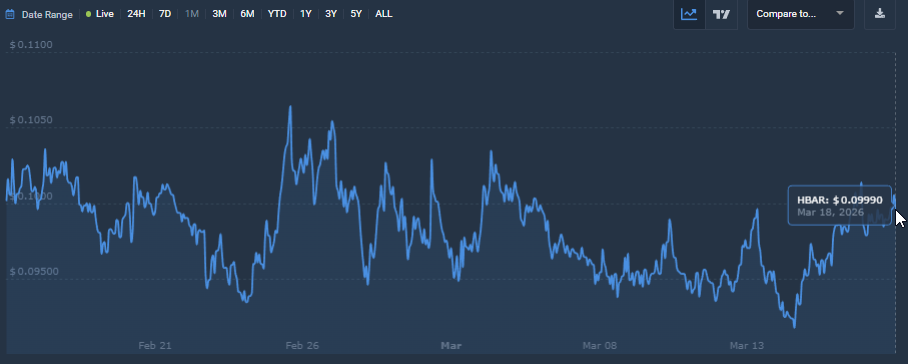
Hedera (HBAR) is an enterprise-focused distributed ledger governed by a council of global organizations including Google, IBM, and Boeing.
Its Clean 16 inclusion gives institutional users and enterprise clients a cleaner compliance picture than they have had at any point previously.
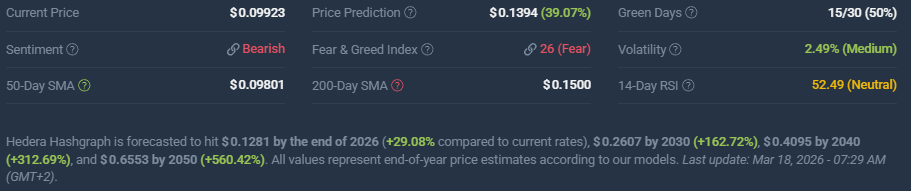
Tezos (XTZ) also received commodity classification, confirming that self-amending governance tokens are not automatically securities under the new framework.
Every asset on this list is now institutionally cleared in a way it simply was not last week. The regulatory overhang that kept large allocators cautious and made ETF applications uncertain is gone for all 16. At the DC Blockchain Summit on March 17,
Atkins made the shift explicit:
“We’re not the ‘securities and everything commission’ anymore.”
The SEC digital commodity list also creates, for the first time, a clean framework for thinking about which crypto assets carry regulatory risk and which do not. Everything not on this list remains in the grey zone under the SEC CFTC crypto ruling, and that distinction will also define how institutional money moves through the space going forward.
Also Read: De-Dollarization: US Pays China in Gold as Treasury Hits Record Buyback
The Clean 16 is crypto’s Mag 7. Not every coin made the cut, and everything outside this list remains subject to SEC scrutiny. But for these 16 assets, the decade-long regulatory uncertainty is officially gone.