





Markets
March 31, 2026
UAE Fuel Prices Surge as Two Global Oil Chokepoints Come Under Pressure
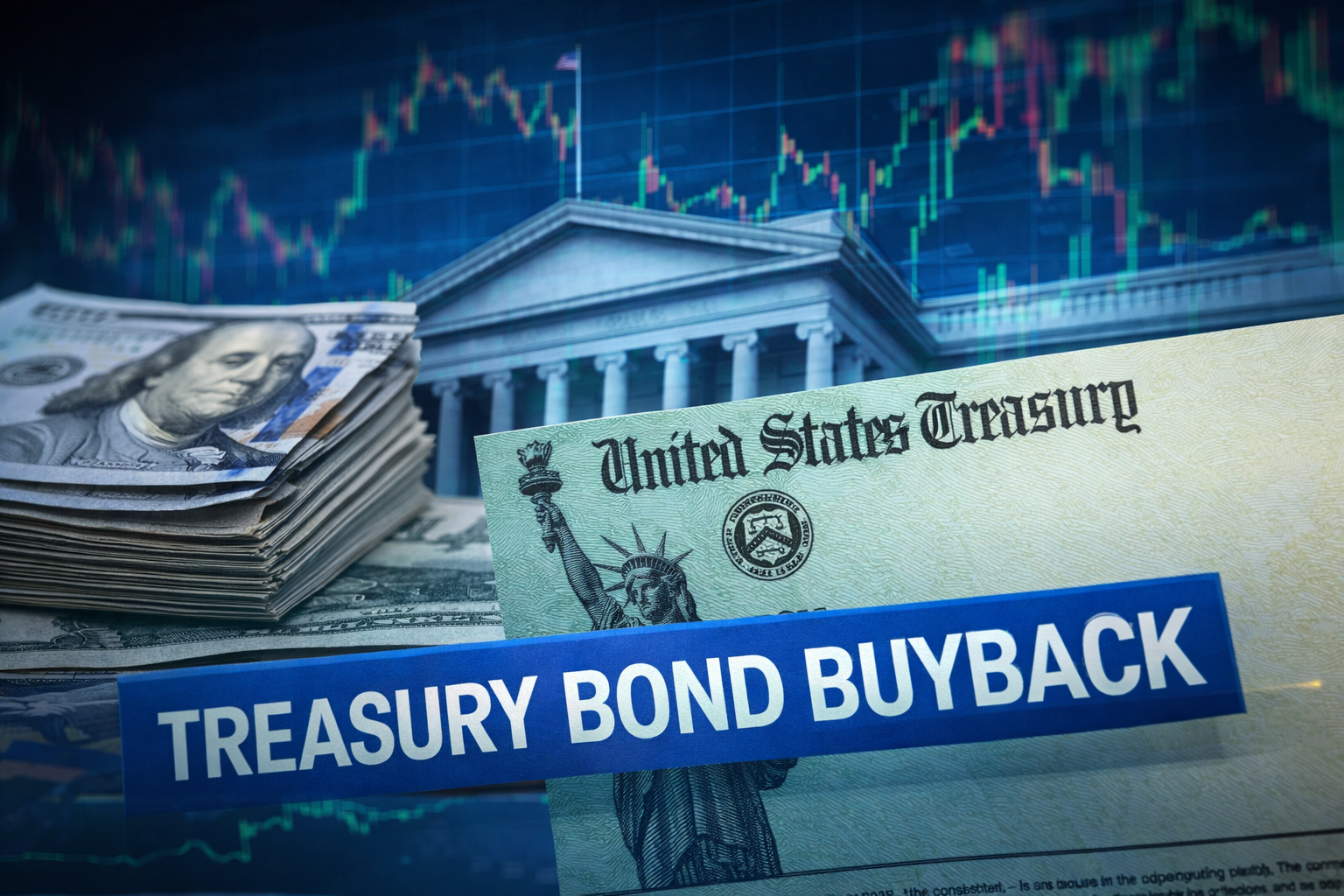
The US Treasury has stepped back into the market to repurchase another $2 billion in long-term bonds. This is part of the continuous steady rhythm of buybacks that has quietly resumed over the past year. The latest Treasury bond buyback targeted securities maturing between 2046 and 2056. This further trims older debt that had moved into the less-traded corners of the market.
Also Read: Musk Calls Out Anthropic for Hypocrisy in AI Data Theft After $1.5B Deal

This is not a one-time purchase. It should be noted that more recently, the Treasury had already repurchased roughly $4 billion across similar operations. This further brings the recent total to about $6 billion in fresh bond repurchase activity. The series of buybacks shows how the Treasury is moving from routine to advance its liquidity operations that are designed to keep its debt market running smoothly.
It is pertinent to understand how this works. Instead of issuing new money or shrinking US debt in absolute terms, the Treasury is swapping older obligations for newer ones that trade more easily. These buybacks focus on off-the-run securities, bonds that no longer sit at the center of daily trading. Over time, those instruments can become harder to price. This is particularly for institutional investors managing massive portfolios tied to long-term bonds.
Also Read: Wells Fargo Upgrades Google Stock, Citing an AI Edge Wall Street Is Missing
The Treasury revived the buyback program in May 2024. This was previously paused for over two decades to improve market liquidity. According to the Treasury’s official buyback overview, these operations are meant to “support market functioning.” These are even funded using existing cash balances rather than money creation.
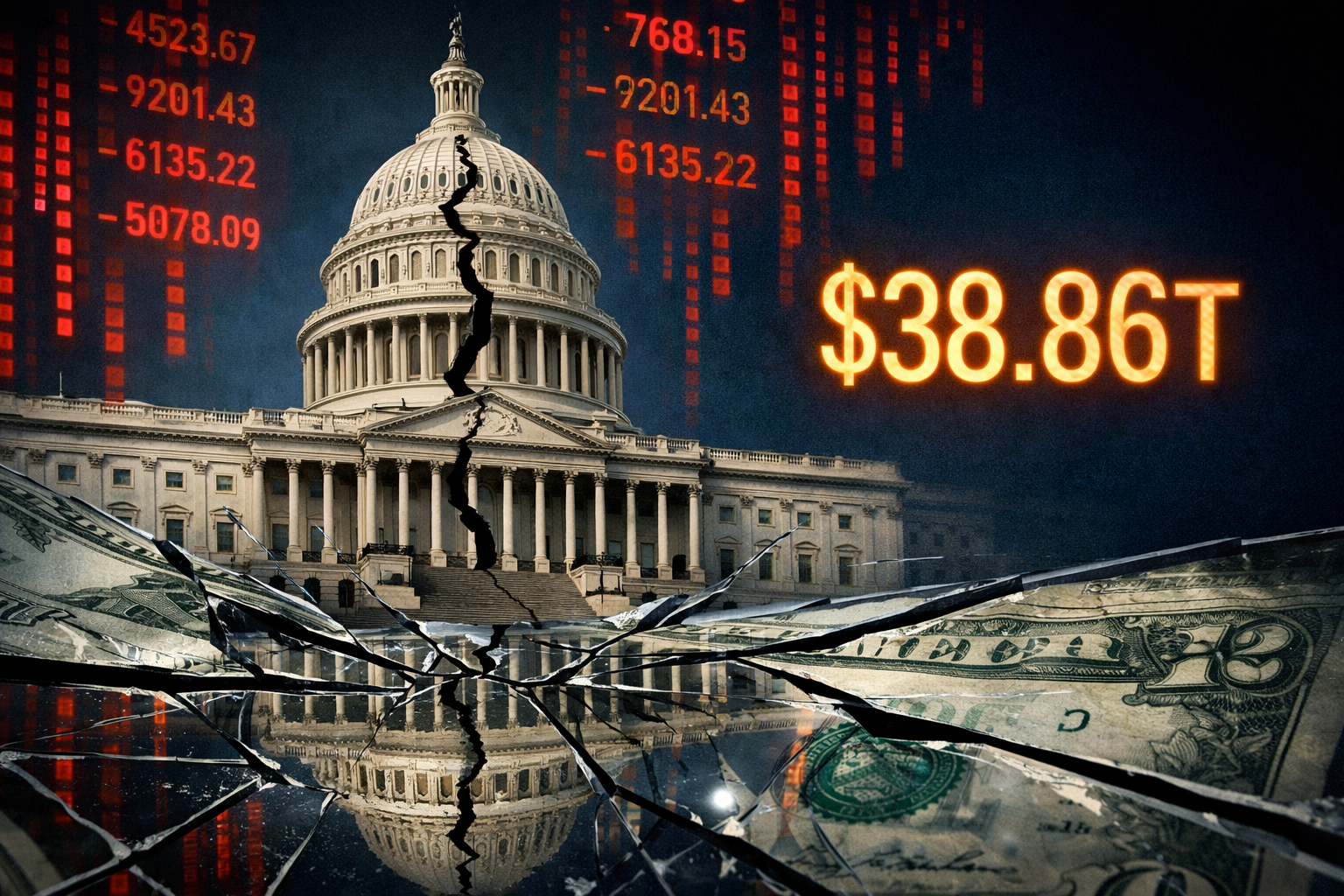
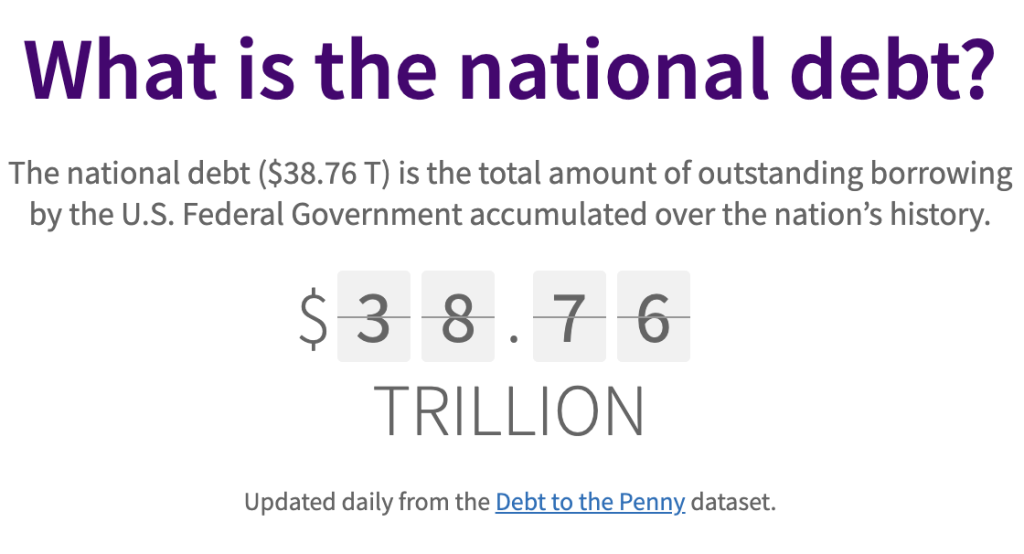
In addition, the US debt load now exceeds $38 trillion, according to Treasury fiscal data. This makes even the multi-billion-dollar buybacks look like relatively small adjustments within an enormous system.
Despite this, the purchases carry a lot of significance. The US Treasury market plays a vital role in global finance. They influence borrowing costs, investment flows, and even currency stability. By selectively removing older long-term bonds from circulation, the Treasury is fine-tuning liquidity rather than rewriting the debt story.
Also Read: Jamie Dimon Issues Crisis Warning as Market Risks Mirror the 2008 Build‑Up