







Markets
March 31, 2026
UAE Fuel Prices Surge as Two Global Oil Chokepoints Come Under Pressure
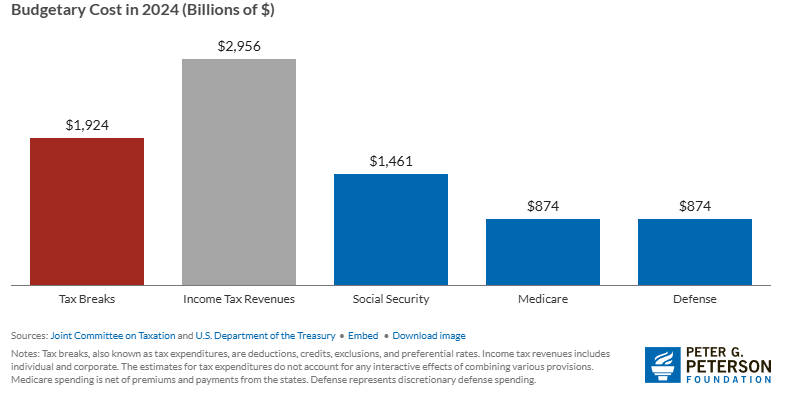
National debt interest has crossed a threshold that no one in Washington can ignore. The U.S. government will spend $1 trillion on debt interest payments in 2026, and for the first time since World War II, the interest vs defense spending comparison has flipped, with creditors now getting more than the military.
US debt costs have nearly tripled since 2020, and trillion dollar interest payments are now a permanent fixture of the federal budget rather than a temporary spike. Every American household is effectively on the hook for roughly $8,000 in annual interest alone, and most of that money is leaving the country.
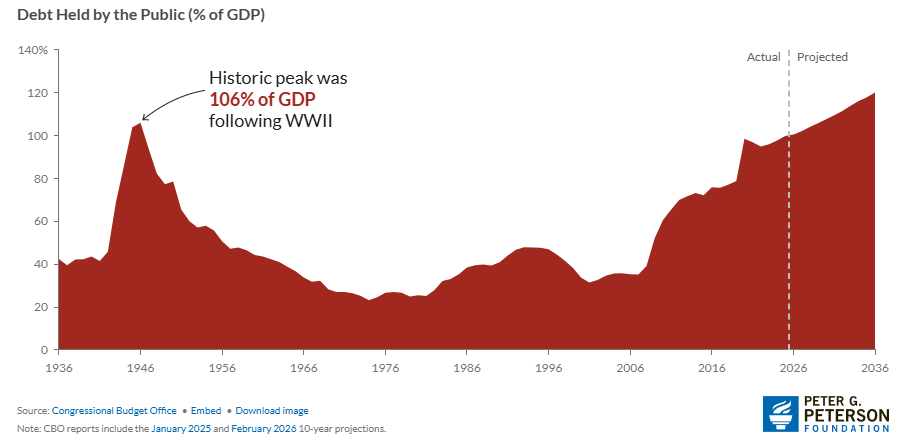
Also Read: U.S. Debt Hits 100% of GDP as Fiscal Crisis Warnings Intensify
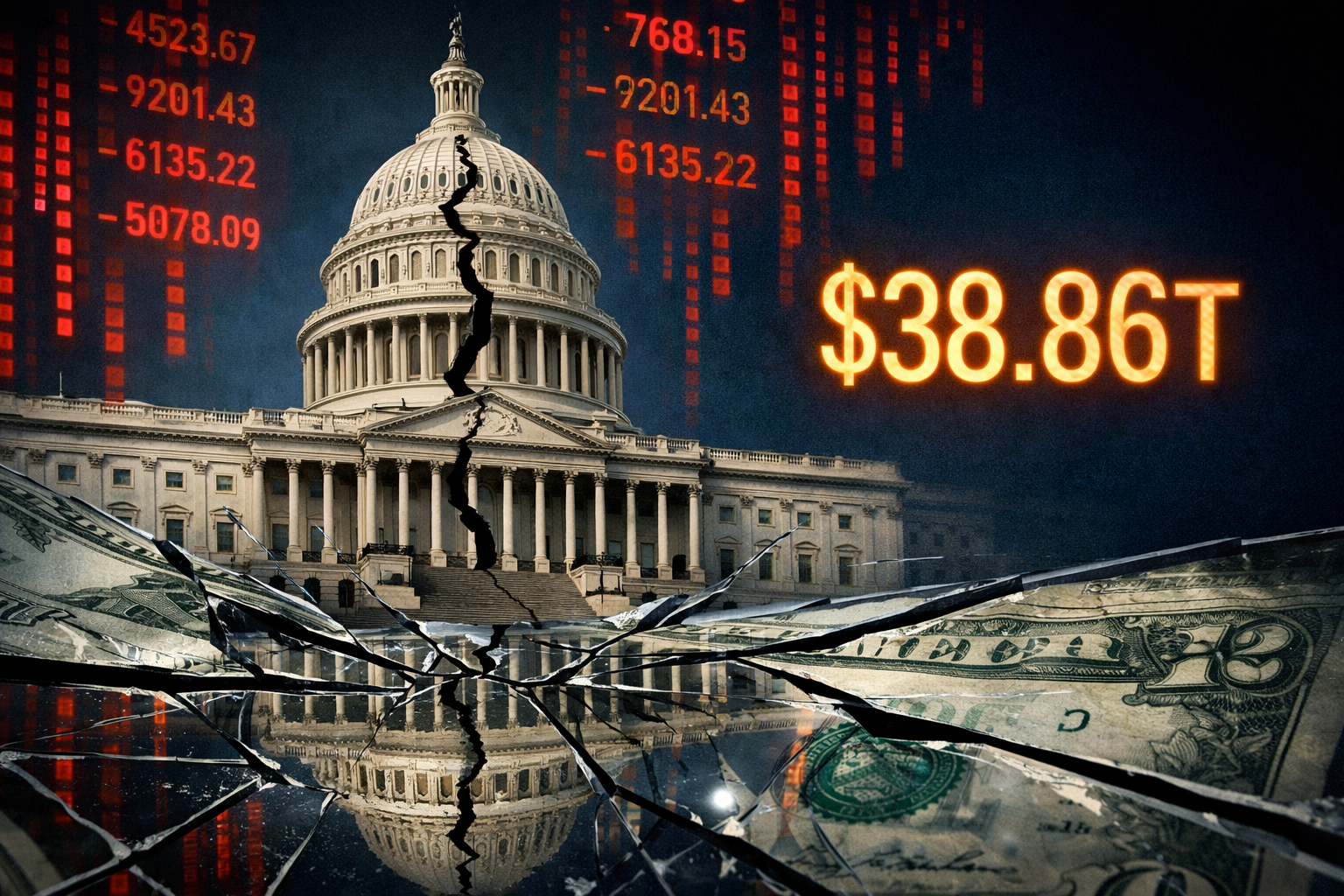
Federal debt has ballooned to $38.86 trillion as of March 2026, while interest rates have climbed sharply from near-zero pandemic-era levels. The CBO projects national debt interest costs will reach $1.0 trillion in 2026, eclipsing the $850 billion defense budget. Through the first four months of fiscal year 2026, debt interest payments were also running 7.4 percent higher than the same period the prior year, meaning the pace is still accelerating.
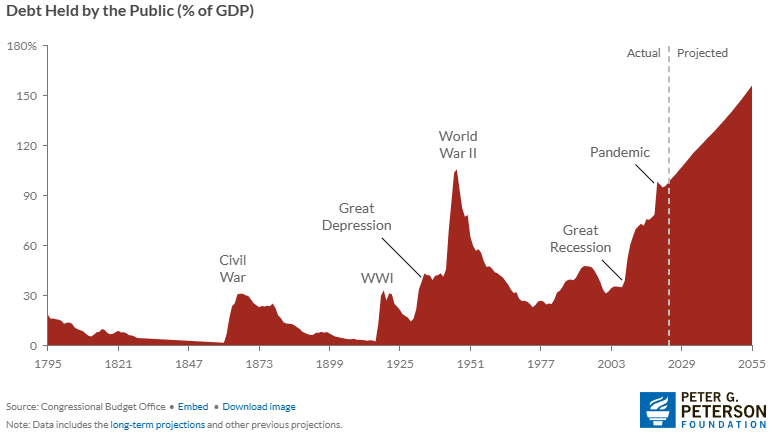
This represents a dramatic jump from just six years ago, when debt interest payments totaled $345 billion in 2020. The cost has nearly tripled in that span, making national debt interest the third-largest federal expense after Social Security and Medicare.
The trajectory gets steeper from here. National debt interest is projected to climb to $2.1 trillion annually by 2036, according to CBO estimates. Over the next decade, the government will pay $16.2 trillion in interest alone, which is nearly double what was spent over the past two decades after adjusting for inflation.
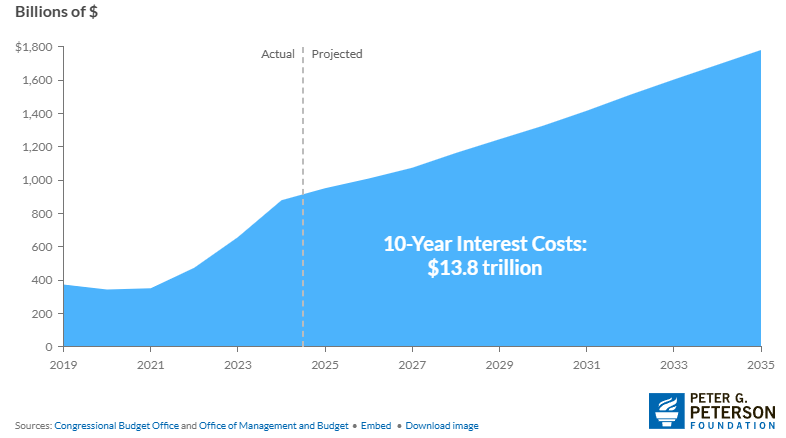
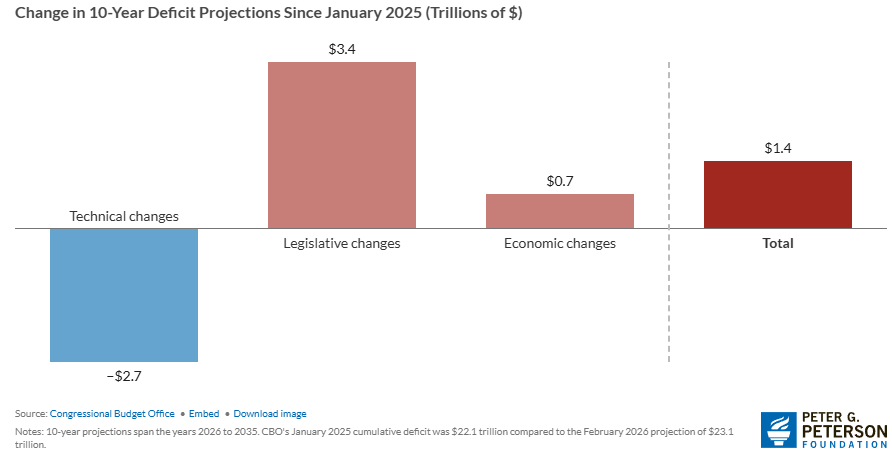
These US debt costs are being fueled by persistent deficits that show no signs of slowing. The U.S. has borrowed an average of $43.5 billion per week during the first four months of fiscal 2026. Maya MacGuineas, president of the Committee for a Responsible Federal Budget, noted that: “We remain in the routine of endless borrowing” ,and warned that current trends point toward another year of a $1.8 trillion or higher deficit.
Also Read: US Treasury Buys $15B of Its Own Debt While Jobs Fall for 13 Straight Months
As trillion dollar interest costs consume a larger share of the federal budget, other priorities face mounting pressure. National debt interest payments already exceed what the federal government spends on veterans’ benefits, education, and transportation combined. By 2029, US debt costs will account for 15.7 percent of total federal spending, surpassing the previous record of 15.4 percent set in 1996. That is money that will not go toward roads, schools, hospitals, or anything a taxpayer can actually point to.
Budget experts warn that rising interest creates a self-reinforcing problem. Higher US debt costs require more borrowing, which increases national debt interest, which then adds to the overall burden. Foreign investors, including Japan, China, and the United Kingdom, hold roughly one-third of that debt, meaning a growing share of what American taxpayers send to Washington flows directly overseas.
Also Read: Social Security Insolvency Could Trigger a Recession as $560 Cuts Hit Millions
The Peterson Foundation’s Michael Peterson described the latest projections as: “An urgent warning” about America’s fiscal path, adding that borrowing trillion after trillion leads to higher interest costs with no end in sight.
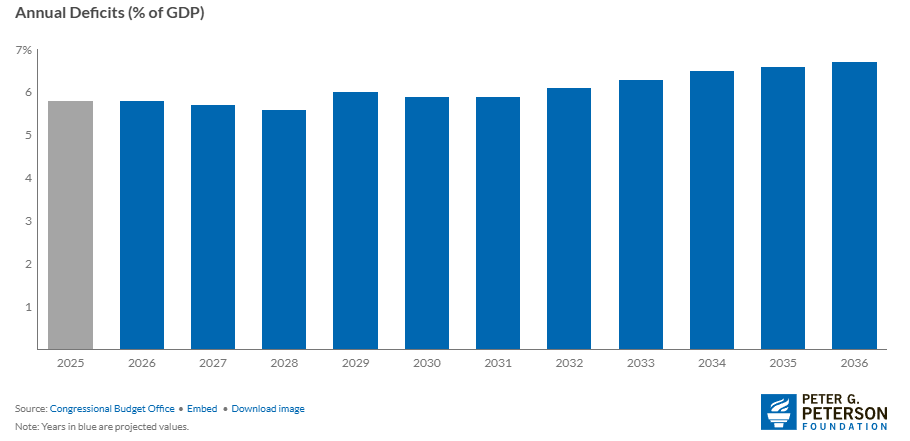
Budget experts now call the interest vs defense crossover the new normal rather than a temporary anomaly. Without policy changes, trillion dollar interest payments will keep growing, with national debt interest eventually surpassing even Social Security as the single largest line item in the federal budget by 2051.
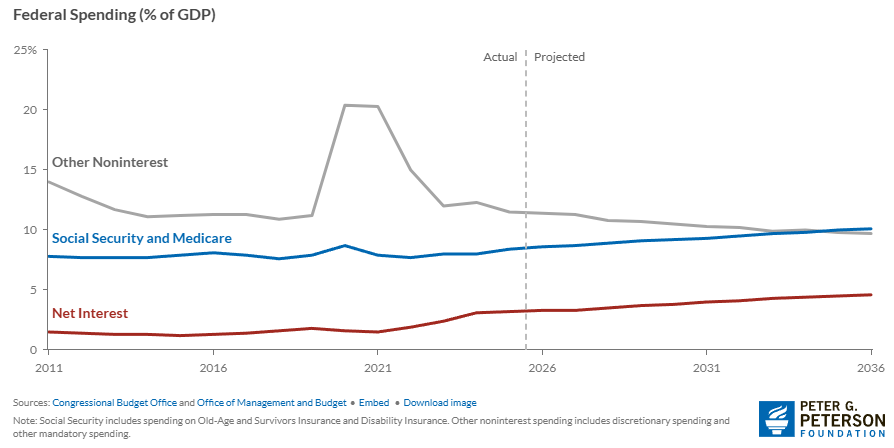
At current rates, the Treasury pays approximately $2.8 billion per day, money that could otherwise fund infrastructure, research, or deficit reduction itself.