


Markets
March 20, 2026
XRP stands as one of the largest digital assets in terms of total dollar value. With a market cap hovering near $84 billion, the Ripple Network’s native token draws millions of investors globally. The XRP rich list, however, immediately signals pronounced centralization among XRP holders.
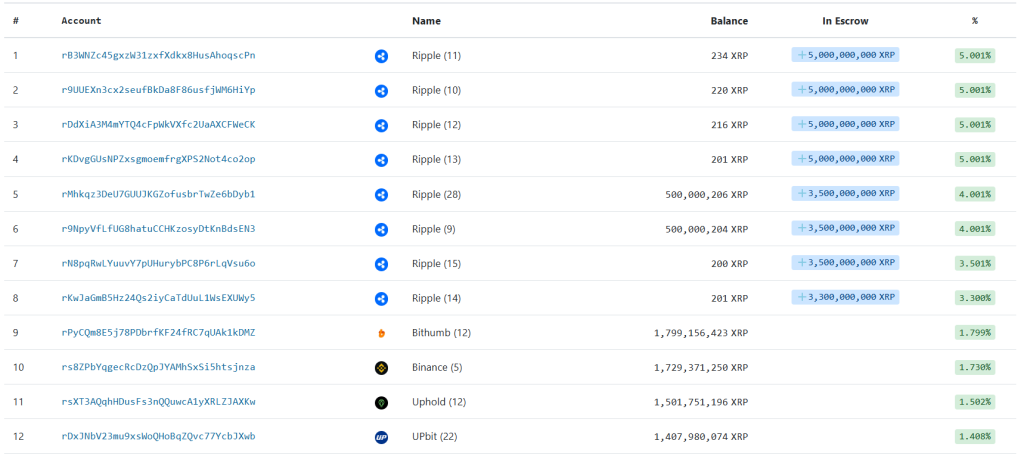
Ripple-linked addresses claim the highest ranks when escrows are included. This displays remarkably consistent large holdings. Additionally, major exchanges step forward as the biggest individual public-facing wallets, according to data provided by XRP Scan.
Furthermore, noticeable patterns such as repeated round-number balances underscore the presence of powerful XRP whales. This also defines XRP wallet tiers. In the following sections, we will dive into the leading addresses, quantify whale influence, review different wallet tiers and discuss how XRP wealth distribution shapes perceptions about the Ripple ecosystem.
Also Read: PayPal New CEO Signals Fresh Momentum for Crypto and Growth
Ripple controls vast portions of XRP through escrow accounts. These holdings shape the XRP rich list significantly. For instance, multiple addresses each secure 5 billion XRP in escrow. This setup positions the company as the top entity overall. Ripple literally holds (although in escrow) 33.8 billion XRP, which represents almost 35% of the total XRP supply.
Crypto exchanges emerge as key players when focusing on circulating supply. In this regard, Bithumb leads with nearly 1.8 billion XRP in one wallet. Binance and Uphold follow closely behind. They hold over 1.7 and 1.5 billion XRP, respectively. Upbit and Bitbank appear among the top 20 XRP holders. These last two exchanges hold 1.4 billion and 570 million XRP.
It is worth noting that cryptocurrency exchanges hold digital currencies on behalf of their clients and smaller investors. Therefore, most of these funds would not have a large impact on the market. Nevertheless, those funds are available for users to sell if market conditions are negative. All these exchanges hold together 8% of the total XRP supply.
Source: XRP Scan
Yet, this apparent concentration in the XRP Rich List raises important questions about true decentralization. While the top addresses control a large share the structure tells a more nuanced story. Ripple’s 33.8 billion XRP remains locked in timed escrow releases, limiting its immediate market impact and preventing sudden dumps.
In contrast, the billions held by exchanges like Bithumb or Binance belong to thousands of individual users and smaller investors. These custodial wallets reflect dispersed ownership rather than centralized control by any single entity. This distinction softens concerns over extreme XRP whale dominance and wealth distribution.
Critics have targeted Ripple’s substantial control over XRP, fueling negative press about centralization issues. This has raised concerns on how XRP wealth distribution has been affected since the moment the token was issued. Moreover, due to those large holdings in few hands, price suppression through supply dumps has always been a topic of debate in the community.
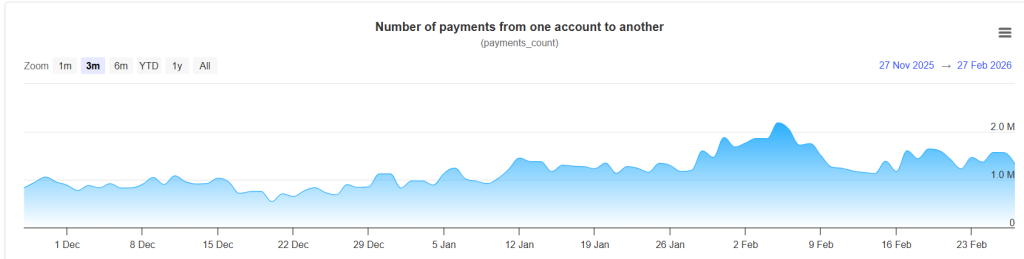
Consequently, these problems highlight tensions in XRP wallet tiers, where top concentrations persist despite defences from Ripple executives like David Schwartz, who dismisses the claims. The ongoing controversy has also led some investors to question the long-term viability of XRP as a truly decentralized asset, even as network usage and adoption metrics continue to grow.
Source: XRP Scan
XRP wallet tiers show a gradually improving distribution pattern. Recent XRP Scan data (7,660,083 activated accounts) indicates the following approximate thresholds:
These lower entry points for upper percentiles suggest slow but steady broadening of ownership across the network.
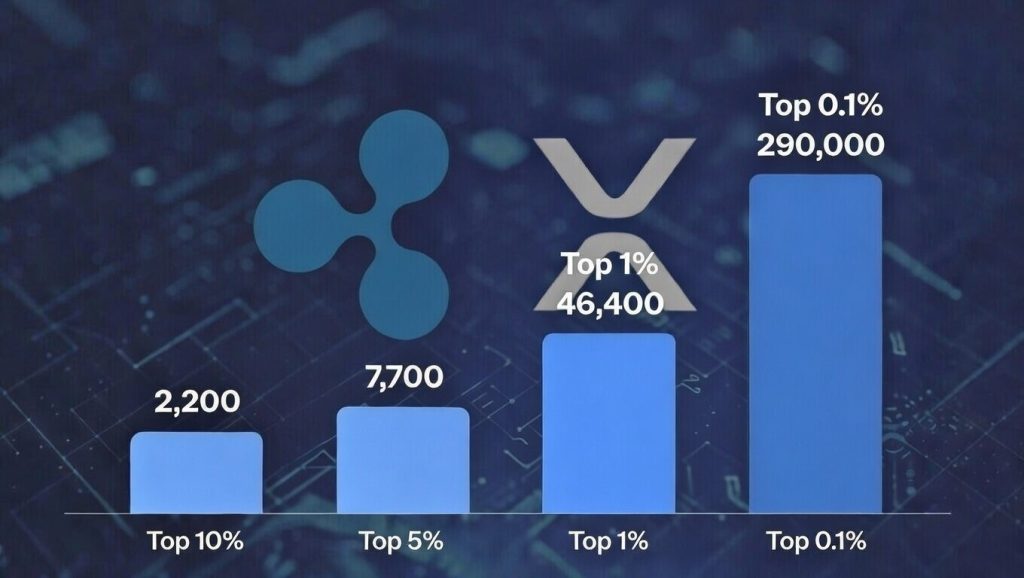
Retail activity fuels the shift. Wallets under 500 XRP and in the 500 – 10,000 XRP range have grown sharply, while the 10,000 – 50,000 XRP tier expanded steadily. Addresses over 1 million XRP declined slightly, highlighting rising small-holder participation even as top-end concentration remains significant.
Also Read: River: Fidelity, Bank of America, Morgan Stanley Back 1–5% Bitcoin Allocation
XRP whales maintain substantial influence amid recent volatility. As XRP trades around $1.38, large holders have shown accumulation patterns. Wallets exceeding 1 million XRP have grown holdings slightly during dips. This contrasts past sell-offs. This behavior supports potential recovery signals. Coordinated whale moves tend to drive short-term price swings and liquidity shifts in the current bearish environment.
XRP wallet tiers highlight accessible and stratified participation in the market. With thresholds like top 10% requiring over 2,200 XRP ($3,000) and top 1% needing about 46,000 XRP ($64,300), entry barriers remain moderate for retail investors. Higher ranks such as the top 0.1% (290,000 XRP) underscore persistent concentration.
It is worth pointing out that those levels are linked to price dynamics. Lower thresholds reflect broader adoption in times of corrections. Meanwhile, dollar values amplify for elite tiers throughout pullbacks in the market.
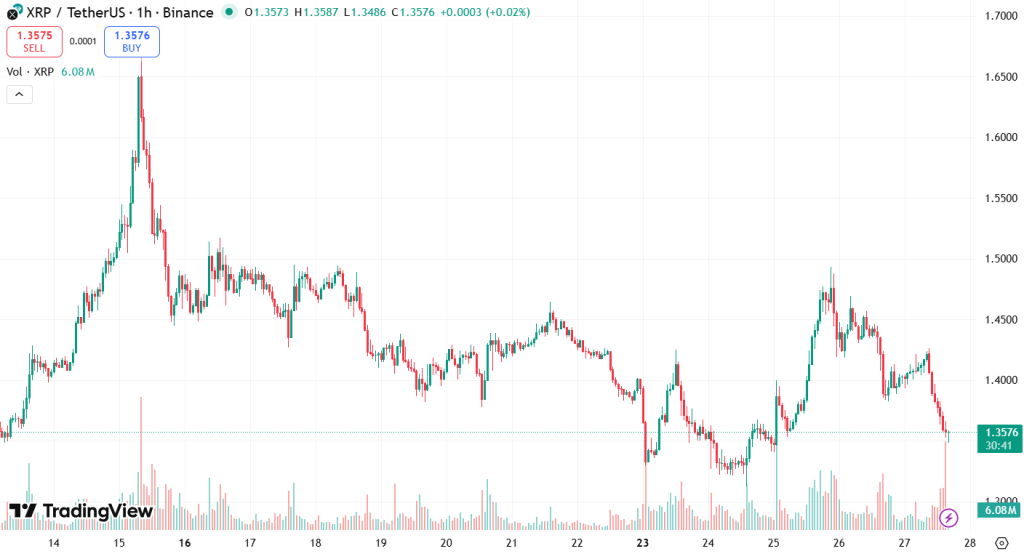
Source: TradingView
In this particular case, holder rankings on the XRP rich list emphasize enduring top-end control. Exchanges and Ripple-linked entities dominate with the top 10 addresses commanding nearly 20% of the circulating supply. This has clearly an impact on market sentiment, as changes in those levels could indicate further concentration or more decentralization.
XRP wealth distribution alongside other measurements is a good tool for investors that follow fundamentals at the time of investing. XRP holders and new investors end up deciding how the price moves. Understanding the logic behind XRP wallet tiers can help with detecting good entry or exit points. Monitoring shifts in these tiers over time also provides early clues about changing market sentiment and potential whale-driven momentum.
In conclusion, the XRP Rich List reveals a nuanced picture of XRP wealth distribution. While XRP whales and top-tier holders maintain significant control, Ripple’s escrow mechanism and the custodial nature of exchange wallets promote broader, albeit gradual, decentralization. As retail participation grows and thresholds evolve with price action, understanding these dynamics equips investors to better navigate market sentiment, identify potential shifts, and make informed decisions in the evolving Ripple ecosystem.
Also Read: Axiom Wallet Tracking Scandal Tied To $400K Polymarket Insider Bets