










Markets
May 4, 2026
Buffett Warns Dollar Could Collapse as Berkshire Hits $397B Cash, 14th Quarter Selling
The Clarity Act is moving toward a key stage, with the Senate Banking Committee targeting the week of May 11 for markup. The bill aims to address a long-standing issue in US crypto regulation, where overlapping authority between the SEC and CFTC has created uncertainty for companies and investors. If it progresses, it would formalize how different types of digital assets are classified and regulated under a single federal framework.
Also Read: Buffett Warns Dollar Could Collapse as Berkshire Hits $397B Cash, 14th Quarter Selling
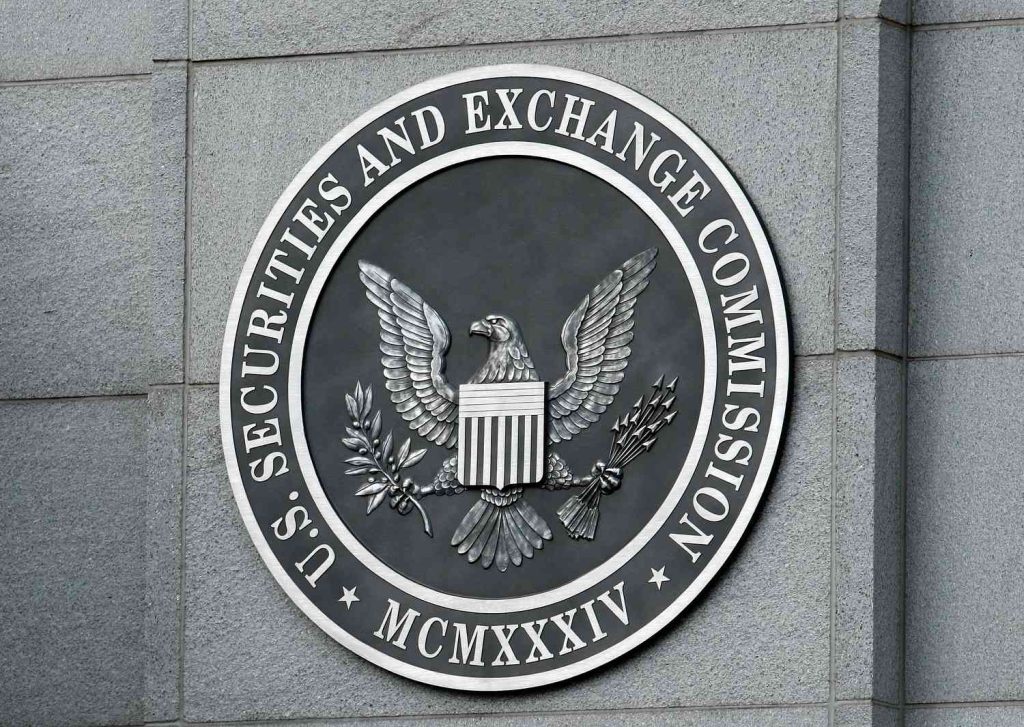
At the center of the proposal is a statutory test for identifying a mature blockchain. This would determine when a digital asset is sufficiently decentralized to be treated as a commodity rather than a security. In practice, that shifts oversight toward the CFTC for certain assets. Meanwhile, the SEC continues to regulate tokens tied to fundraising or issuer-driven profit expectations.
The approach builds on earlier coordination between regulators. The SEC and CFTC outlined a joint taxonomy on March 17 that categorized several digital assets as commodities. The Clarity Act would convert that framework into law. It aims to give it permanence beyond agency guidance.
The SEC has also scheduled a joint roundtable with the CFTC in May to discuss jurisdiction and market structure ahead of the markup. This shows that both agencies are preparing for a more defined split in responsibilities if the bill moves forward.
Also Read: Iran Nuclear Deal Offers 3.5% Uranium Cap as Trump Deploys Destroyers Anyway
For institutional crypto, the main impact is regulatory clarity. Pension funds and large asset managers have largely stayed cautious due to unclear compliance requirements. A defined federal framework could make it easier for these participants to enter the market.
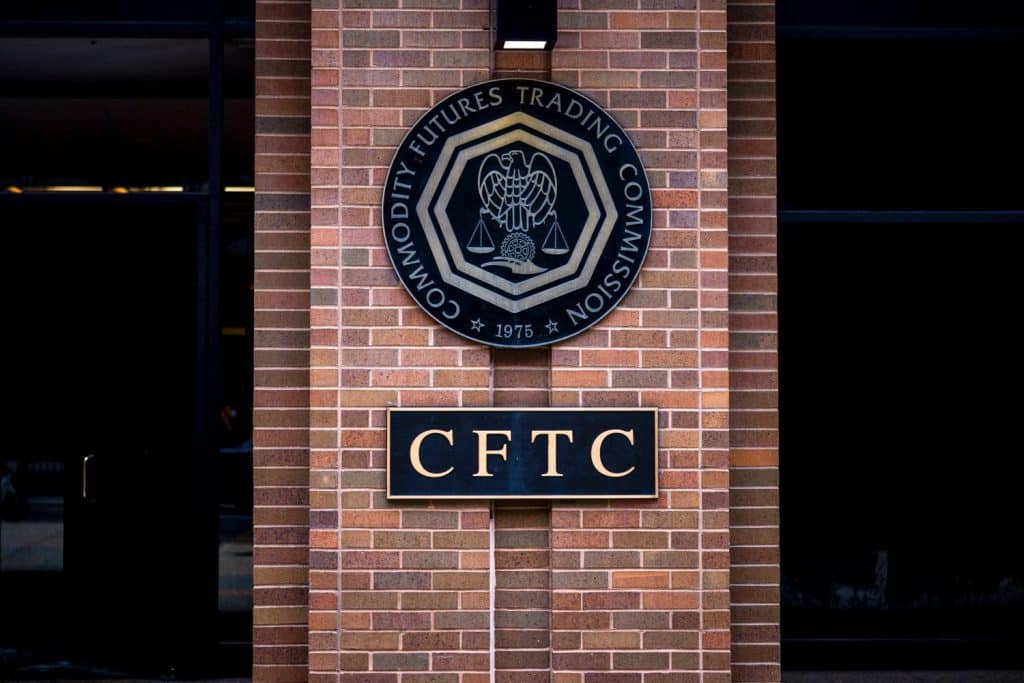
The bill also proposes a single registration pathway under the CFTC for exchanges, brokers, and dealers handling digital commodities. This would replace the current state-by-state licensing approach. It could also reduce compliance costs for firms operating across multiple jurisdictions.
Industry groups have mostly supported recent compromises in the bill. Blockchain Association CEO Summer Mersinger said,
“We commend Senators Tillis and Alsobrooks for their leadership in reaching this agreement. Every day without a clear legal framework is an invitation for top-tier talent, capital, and innovative companies to locate elsewhere.”
A proposed stablecoin provision would restrict yield that resembles bank deposits while allowing rewards tied to on-chain activity. Companies, including Coinbase and Circle, have backed the approach. Despite this, some concerns remain about how broadly the restrictions apply.
There are still unresolved issues. Lawmakers continue to debate provisions related to DeFi liability and compliance requirements. Senator Tim Scott has indicated progress in securing support for the markup, but not all votes are confirmed.
If the markup proceeds as planned, the Clarity Act would move closer to becoming the first comprehensive federal framework for digital assets in the US.
Also Read: Ethereum Foundation Sale Continues with 10,000 ETH Moved to BitMine