


Markets
September 14, 2026
Fed, ECB and BOJ May Hike Together as $2.35T Carry Trade Faces Test
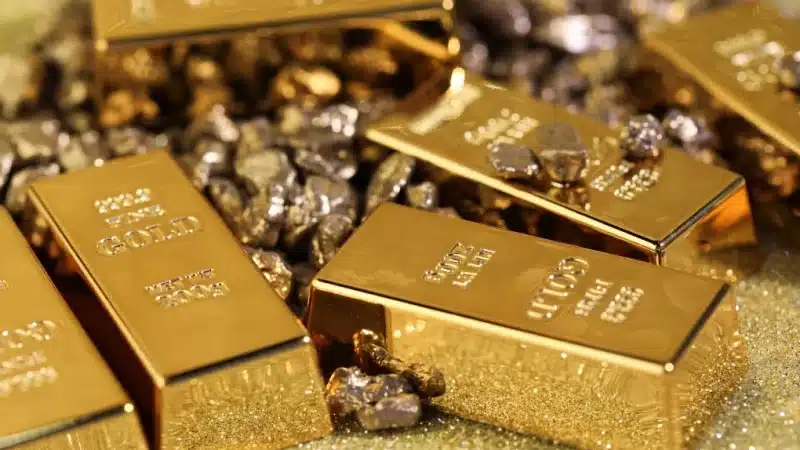
A rapid gold price drop hit the market over the past week as prices slid roughly 5 percent to near $4,500. Stronger Treasury yields and Fed hawkish signals drove the decline during this gold market correction. The metal gave back part of its earlier gains from 2026. Investors now monitor Federal Reserve policy closely. The pullback tests gold’s appeal while markets assess potential effects on finance and crypto sentiment.
Also Read: Massive Wallet Drainage Exploit Hits Ethereum Mainnet Users
Fed hawkish signals weighed heavily on gold prices last week. Officials maintained a cautious stance on rate cuts amid persistent inflation concerns. This tone strengthened the US dollar and pushed Treasury yields higher. Rising dollar yields made yield-bearing assets more attractive than non-yielding gold.

Investors responded by reducing exposure across precious metals. The gold price drop gained momentum as leveraged positions unwound quickly. Markets repriced expectations for monetary policy. Fewer rate cuts now appear likely through the rest of 2026. This shift pressured not only gold but also broader risk assets. Bitcoin and crypto-linked stocks faced parallel selling pressure during the move.
Fintech names and technology shares showed similar sensitivity to tighter liquidity signals. The gold market correction thus extended beyond metals into correlated sectors. Traders now watch upcoming economic data closely for any policy pivot. Central bank physical buying continues to provide a floor, yet near-term sentiment remains fragile.
Also Read: China Bans AI Layoffs as Nvidia CEO Says AI Created 500K Jobs in 2 Years
The gold price drop underscores a material change in how investors view the Federal Reserve’s future direction. Recent FOMC meetings revealed a notable split, with three hawkish dissents pushing to remove easing bias from statements. This reflects growing caution among policymakers about inflation risks persisting into late 2026.

Fed hawkish signals now suggest rates may stay elevated longer than previously anticipated. Some officials even floated the possibility of no cuts this year, while futures markets have pushed back expected easing well into December or beyond.
The impending leadership transition after Chair Powell’s term ends in May adds further uncertainty. Rising dollar yields reinforce this tighter stance and limit gold’s upside. As markets digest a potentially more disciplined policy framework under new leadership, the gold market correction gains depth. Participants now weigh reduced liquidity support against ongoing central bank purchases of physical gold.
Also Read: Google $62.6B Profit Jumps 81%, But Half Came From Anthropic Paper Gains

Written by Carlos Terenzi
Carlos Terenzi is a financial analyst with over 10 years of experience in crypto, finance, and international relations, focusing on Bitcoin, monetary policy, and precious metals.