



Markets
September 14, 2026
Fed, ECB and BOJ May Hike Together as $2.35T Carry Trade Faces Test
The market outlook this week is being driven more by geopolitics than earnings or economic data. Oil and gold had already started climbing before the latest escalation. This pointed out how traders were preparing for potential trouble. Brent crude jumped sharply after Israeli strikes tied to Iranian targets. It rose more than 7% to $77.78 per barrel. This shows how quickly supply fears can reflect on prices.
Gold has also rallied in recent weeks, reinforcing the defensive tone across global markets. Historically, gold tends to rise when investors expect instability, inflation, or conflict. That pattern is playing out again.

Also Read: XRP Rich List: Whale Power & Distribution

Equity investors are reacting more cautiously. Some of the recent commodity gains suggest that a geopolitical premium has already been priced in. But when the events actually occur, pricing could see adjustments all over again. This is seen as sudden swings and higher equity market volatility.
In addition, one of the biggest concerns right now is the Strait of Hormuz impact. According to the U.S. Energy Information Administration, this narrow route carries about 20% of the world’s oil supply. Even the threat of disruption can trigger an oil price surge, because markets expect shortages before they happen.
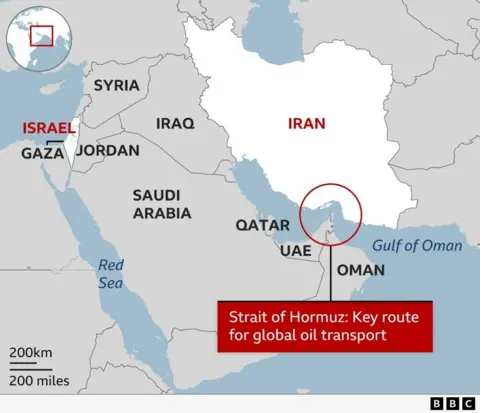
Latest reports reveal that global oil prices have surged after three ships were attacked near this route. Saul Kavonic, head of energy research at MST Marquee, said,
“The market isn’t panicking. There is more clarity that so far, oil transport and production infrastructure hasn’t been a primary target by any side. The market will be watching for signs that traffic through the Strait of Hormuz returns, which would see oil prices subside again.”
Also Read: PayPal New CEO Signals Fresh Momentum for Crypto and Growth
Energy traders move quickly, and equities follow more slowly. This is mostly because investors reassess inflation, corporate costs, and interest rate expectations. If oil pushes higher, inflation could rise again. It will, in turn, complicate the outlook for central banks and equities.
Timing will determine everything. Short conflicts tend to cause brief shocks. This means markets drop, commodities spike, and then calm returns after supply stabilizes. But longer conflicts create more serious damage. Higher oil prices increase business costs and reduce consumer spending power. This combination increases stock market risk, especially for growth stocks that depend on stable conditions.
For now, traders expect volatility to remain high. The next moves will depend less on earnings and more on whether tensions rise or ease during the coming days.
Also Read: River: Fidelity, Bank of America, Morgan Stanley Back 1–5% Bitcoin Allocation

Written by Sahana Kiran
Sahana Kiran has been covering financial markets since 2019, with a focus on cryptocurrencies, fintech, and the geopolitical events shaping them. She previously reported for AmbCrypto and Watcher Guru, and now writes for BlockNow.