

Markets
September 10, 2026
Would Trump’s $5,000 Dividend Push US Treasury Yields Above 5%?

Poland’s gold-backed defense proposal has moved fast from closed-door briefings to the center of Europe’s security debate. Right now, the country’s central bank chief, Adam Glapinski, has laid out a plan to raise as much as 48 billion zloty, around $13 billion, by tapping Poland’s gold reserves, with the money going into military spending. Glapinski presented the proposal to President Karol Nawrocki as a real alternative to the EU’s SAFE defense loans program, and at the time of writing, it also faces some serious legal questions back home in Warsaw.
Also Read: Vancouver Officials Push to Drop Mayor Ken Sim’s Bitcoin Motion

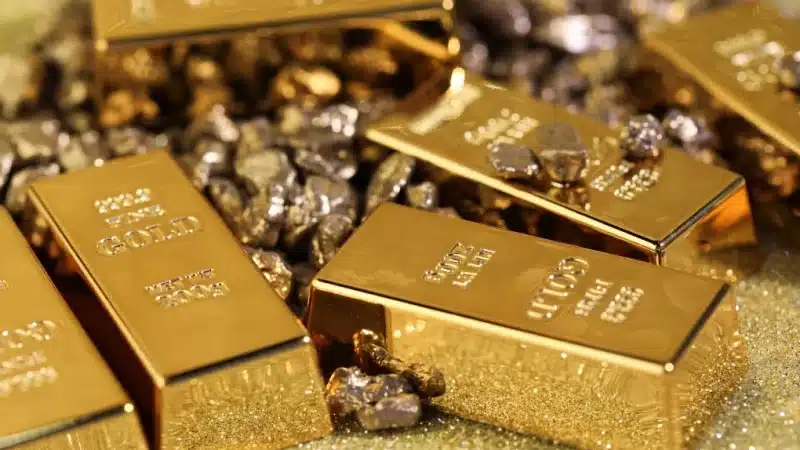
Poland’s gold-driven defense push, as it was outlined in the meeting, works through a sell-and-buyback mechanism. The National Bank of Poland sells part of its roughly 550-ton gold holdings, then repurchases them, locking in a profit along the way. That profit is very much real: Poland’s gold reserves went from around $44.1 billion in February 2025 to $88.6 billion by January 2026, nearly doubling in 12 months. Another 12 billion zloty could also come from other central bank assets, pushing the total this year to around 60 billion zloty. Over time, Poland’s defense plan is projected to reach 185 billion zloty, a number that lines up almost exactly with what Warsaw would receive under the EU’s SAFE loans program.

A separate option under discussion would change the law to let the central bank revalue its gold reserves and direct that profit toward defense. Whether Warsaw could actually pay out that profit within a single fiscal year remains unclear, and the government may need further legal changes to push it through.
Adam Glapinski, Governor of the National Bank of Poland, stated:
“The plan doesn’t pose any problems in terms of international law.”
Poland’s defense funding debate is also a political one, and a pretty messy one at that. Nawrocki has been openly critical of the EU’s €150 billion SAFE initiative, and his position happens to align closely with the Trump administration’s.
Also Read: Berkshire Hathaway Buybacks Return as Greg Abel’s $15M Bet Signals a New Era
Washington has already warned that SAFE’s “Made in Europe” procurement preference would damage joint allied defense, and that’s a concern Poland’s president clearly shares. Prime Minister Donald Tusk, on the other hand, remains firmly committed to accessing Poland’s €44 billion share of the SAFE program, putting the two men on a direct collision course over the country’s defense funding strategy.

Glapinski also met last week with US envoy to Poland Tom Rose, with the central bank noting that the meeting covered the “growing role of gold in central bank reserves worldwide.” The timing raised eyebrows among those watching Poland’s gold reserves and the broader EU security strategy drift in opposite directions.
President Karol Nawrocki stated:
“If we believe that American F-35 aircraft are good for the Polish armed forces and are the most technologically advanced in the world, then we could purchase them from the Polish SAFE 0% program.”
Poland’s gold defense gambit is unfolding as the EU’s broader security situation gets messier. A drone struck a British airbase in Cyprus, Iran has launched counter-strikes across the region, and intelligence assessments are pointing to a heightened risk of Iran-linked attacks on European soil. The EU’s security strategy, already criticized for being slow and under-resourced, is now being exposed in real time.
Also Read: Ripple’s Coinbase Futures Deal Unlocks Regulated Institutional Trading
Poland’s central bank has ranked as the world’s biggest reported gold buyer in recent years. In January, Management board member Artur Sobon confirmed plans to grow holdings to 700 tons, as geopolitical instability keeps pushing prices to record highs. Whether Warsaw clears the legal hurdles or not, the fact that policymakers are seriously discussing a gold-backed defense plan says something about where European security thinking stands right now.
An EU diplomat, speaking anonymously, had this to say:
“We now sit there like spectators because we are not an active player in this war.”

Written by Vladimir Popescu
Vladimir Popescu leads editorial coverage at BlockNow, with over 8 years in financial and tech journalism. He previously held editorial leadership roles at Watcher Guru and Windows Report, and has been cited by Forbes for his crypto market coverage.