



Markets
September 14, 2026
Fed, ECB and BOJ May Hike Together as $2.35T Carry Trade Faces Test
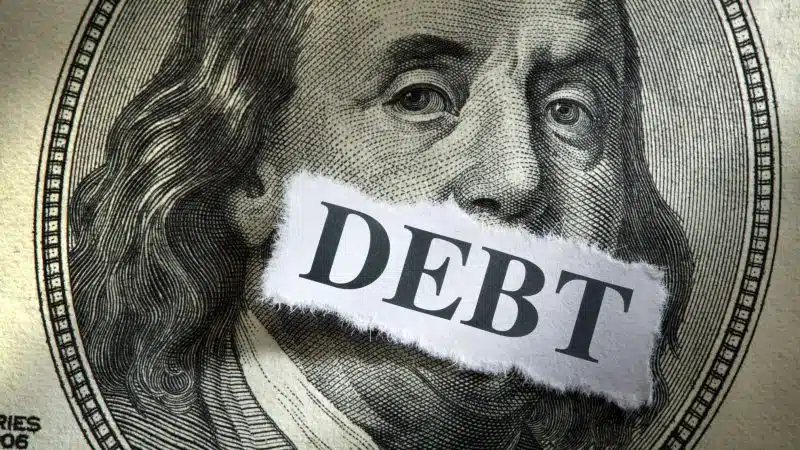
The US national debt is projected to keep rising over the next decade. Estimates were pointing to a sharp increase from current levels. Federal Reserve Chair Jerome Powell said recently that while the debt itself is manageable today, the trajectory is not. The warning comes as borrowing continues to grow faster than the economy. This raises questions about how the numbers evolve from here.
Also Read: UAE Signals Entry Into Strait of Hormuz Conflict as US Weighs Exit

Estimates cited by Bank of America Global Research put US debt at around $64 trillion over the next decade. The increase builds on the current trend, with total debt already above $39 trillion, according to US Treasury data. This figure has doubled from around $19.9 trillion in 2017.
At the same time, interest costs are rising as well. Net payments are expected to cross $1 trillion by 2026, up from about $345 billion in 2020. In the first three months of the current fiscal year, interest payments were around $270 billion. This is already higher than defence spending in that period.
Long-term projections point in the same direction. The Congressional Budget Office estimates that debt held by the public will increase from about 101% of GDP today to about 120% by 2036.

Also Read: UAE Fuel Prices Surge as Two Global Oil Chokepoints Come Under Pressure

Powell’s remarks at Harvard University on March 30 focused on this gap between debt growth and economic output. He said there is no clear threshold at which debt becomes unmanageable. But he noted that federal borrowing is increasing faster than the economy. This pushes the ratio higher over time.
Powell said the focus should be more on bringing spending and revenues closer to balance instead of reducing the debt outright. He also noted that decisions on fiscal policy sit with Congress, not the Federal Reserve. He added,
“We don’t have to pay the debt down. We just need to have primary balance and begin to have the economy actually growing more quickly than the debt. This is not the Fed’s job. I pretty much limit myself to those high-level points, which essentially everyone ignores.”
All the numbers are pointing in the same direction. Debt is rising, interest costs are increasing, and borrowing is growing faster than the economy.
Also Read: Trump Tells Allies to “Take” Oil as Strait Crisis Sends Brent Up 10%

Written by Sahana Kiran
Sahana Kiran has been covering financial markets since 2019, with a focus on cryptocurrencies, fintech, and the geopolitical events shaping them. She previously reported for AmbCrypto and Watcher Guru, and now writes for BlockNow.