

Bitcoin
September 9, 2026
The Rise of Violent Crypto Crime Is Turning Bitcoin Wealth Into a Liability
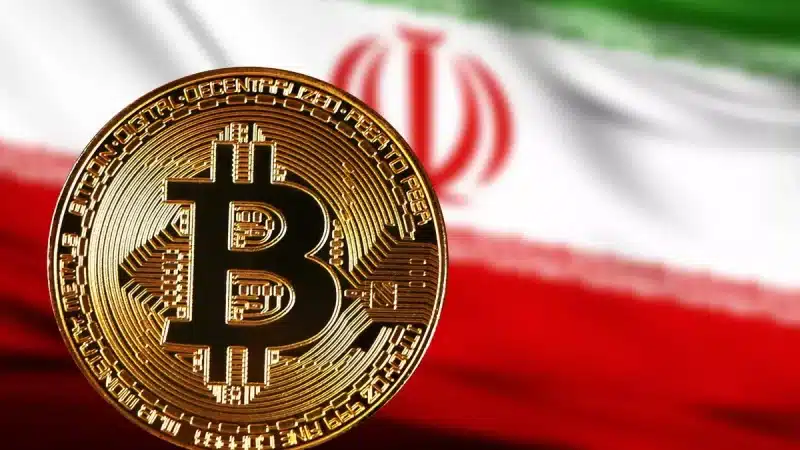
The Bitcoin price has been extremely volatile as tensions around the Strait of Hormuz escalated. Oil traders are watching the Strait of Hormuz, which is a key oil route, after tensions between the two governments were under the spotlight during the weekend. But while markets focused on crude moving towards $111, Iran quietly introduced a new system that could pull Bitcoin deeper into global trade infrastructure. The project, called “Hormuz Safe,” is tied directly to shipping traffic through one of the world’s busiest energy corridors.
Also Read: Kevin Warsh Can’t Beat Inflation so He Is Changing How the Fed Measures It

Iran’s Ministry of Economy has launched “Hormuz Safe.” This is a maritime insurance platform that allows ships crossing the Strait of Hormuz to settle payments in Bitcoin instead of traditional banking rails or stablecoins.
The move comes weeks after the US Office of Foreign Assets Control froze $344 million in USDT tied to entities linked to Iran’s central bank. Tether confirmed the freeze in April. This points to how quickly dollar-backed stablecoins can fall under US enforcement actions.
Iran seems to have taken that lesson seriously. According to reports from state-linked outlet Fars News, the platform issues blockchain-verified insurance certificates for cargo moving through the Persian Gulf and nearby waterways. Once a Bitcoin payment is confirmed on-chain, coverage becomes active, and a digital receipt is issued to the cargo owner.
Also Read: The Smartest Money on Earth Sold $8B in Microsoft and Cut Nvidia 93% in Q1
This has brought Bitcoin sanctions into the light, along with resistance and the growing use of crypto in cross-border trade. Iranian officials reportedly estimate Hormuz Safe could generate more than $10 billion annually. It should be noted that no detailed breakdown has been published. The Strait of Hormuz handles roughly 20% of global oil shipments. This makes it one of the most important energy chokepoints in the world.
The project also arrives as oil prices today remain elevated. This was after Donald Trump warned Iran that “the clock is ticking” in a social media post over the weekend. Brent crude touched $111 amid fears the shipping route could face further disruption.

At present, the platform appears to be in its early stages. The website linked in local reports shows only a landing page. Major shipping insurers have not recognized the coverage.
Legal experts have also warned that companies interacting with Iran’s Bitcoin payment systems could still face secondary sanctions from the US, regardless of whether settlements happen in Bitcoin or dollars.
Still, the launch highlights how countries under financial pressure are experimenting with crypto infrastructure outside the Western banking system. Whether Hormuz Safe becomes widely used or not, it marks another case where Bitcoin is being positioned as a tool for trade settlement rather than speculation alone.
Also Read: Strong Japan Q1 GDP Could Bolster Yen Exchange Rate Stability

Written by Sahana Kiran
Sahana Kiran has been covering financial markets since 2019, with a focus on cryptocurrencies, fintech, and the geopolitical events shaping them. She previously reported for AmbCrypto and Watcher Guru, and now writes for BlockNow.