



Markets
September 14, 2026
Fed, ECB and BOJ May Hike Together as $2.35T Carry Trade Faces Test
Key Takeaways
Oil prices had been sliding for most of May as traders bet the Iran war was moving toward some kind of diplomatic pause. This changed quickly on the first day of June after Iran’s state-linked Tasnim news agency reported that Tehran had stopped indirect talks with the US. It revealed that Iran was prepared to fully block the Strait of Hormuz. Brent crude and WTI also saw a rise, reversing nearly all of May’s losses in a single session. The move also brought fresh attention to global inventory levels, which were already tightening before the latest escalation.
Also Read: Michael Burry Compares Nvidia to Cisco at Dot-Com Peak as AI Rally Faces New Questions

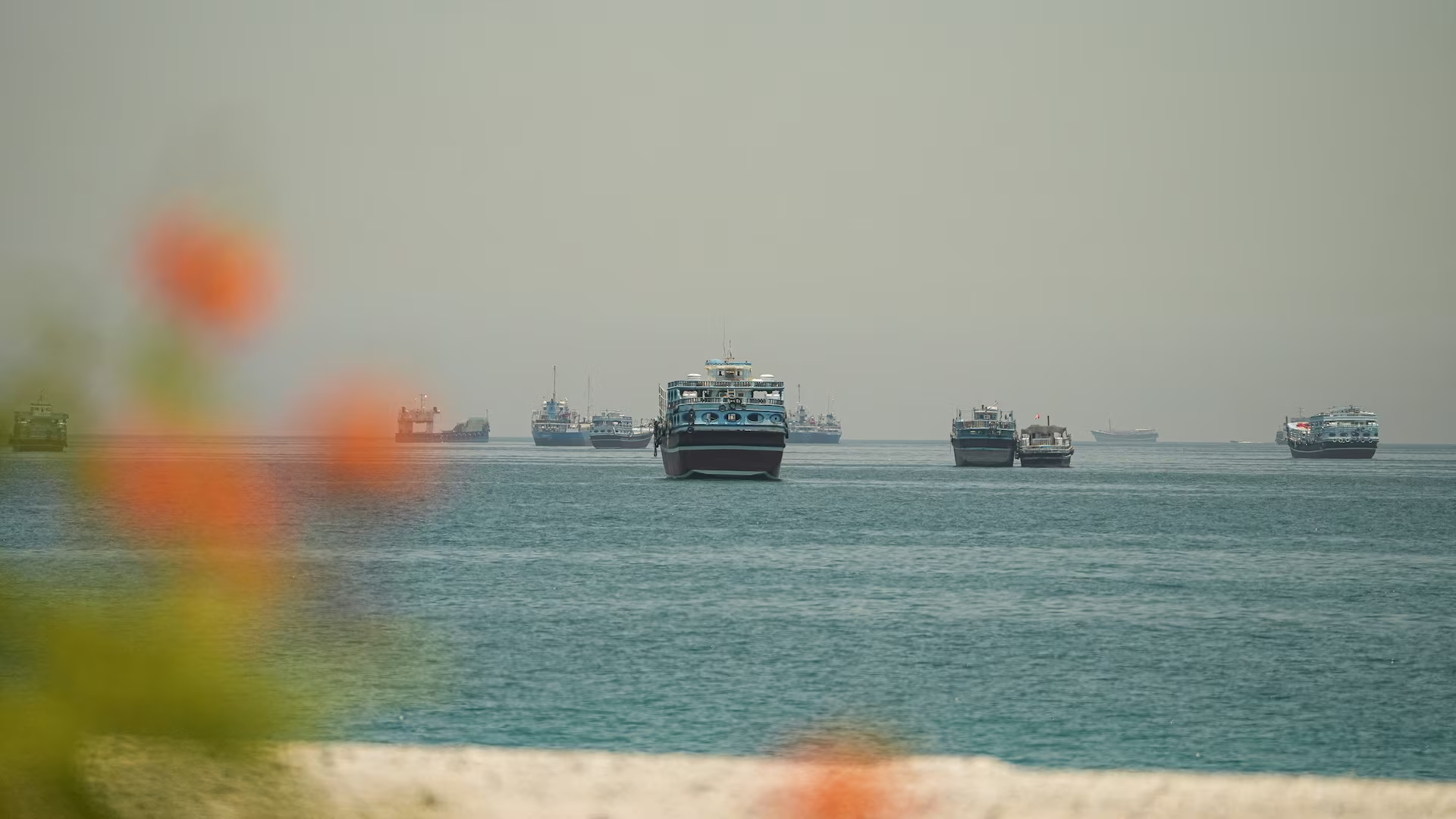
The Strait of Hormuz oil route handled close to 20% of global crude shipments. Any threat to this corridor tends to move markets quickly because Gulf producers rely heavily on it for exports. The report read,
“Also, the resistance front and Iran have resolved to completely block the Strait of Hormuz and activate other fronts including the Bab al-Mandeb Strait, in order to punish the Zionists and their supporters.”
Iran’s latest warning came alongside comments from Exxon Senior Vice President Neil Chapman. He said inventories were approaching unusually low levels during a Bernstein conference in New York. Chapman noted,
“We’re approaching unheard of inventory levels. I mean really, really low levels. Once you get to that point, then you’ll see price shoot up.”
Chapman added that physical Brent cargoes could reach $150 to $160 per barrel if inventories continue falling over the next few weeks. Currently, Brent crude is priced at a low of $94 after rising to a high of $100.

Also Read: Binance Adds 7,000 US Stocks as Crypto Exchanges Race To Become ‘Everything Apps’
It should be noted that oil markets were already dealing with lower stockpiles before the latest developments around Hormuz and Bab el-Mandeb. Recent EIA data showed US crude storage levels tracking below previous years. Meanwhile, shipping through the region has remained uneven since the conflict began earlier this year.
Amidst this, tensions between Washington, Tehran, and Israel appear to be complicating negotiations further. Axios reported that President Donald Trump privately pushed back against Israeli plans for a larger strike in Beirut after concerns it could derail ongoing discussions tied to the ceasefire.
For oil traders, the bigger issue now is whether supply disruptions remain temporary or start affecting exports more directly. This uncertainty is driving much of the oil’s price move today. It comes as investors reassess how much geopolitical risk had already been priced out of the market in May.
Also Read: Citi Says Tokenized Securities Could Become a $5.5 Trillion Market by 2030

Written by Sahana Kiran
Sahana Kiran has been covering financial markets since 2019, with a focus on cryptocurrencies, fintech, and the geopolitical events shaping them. She previously reported for AmbCrypto and Watcher Guru, and now writes for BlockNow.