



Markets
September 14, 2026
Fed, ECB and BOJ May Hike Together as $2.35T Carry Trade Faces Test

The US dollar has dominated global finance for decades, but the focus is shifting on de-dollarization. JPMorgan’s CEO Jamie Dimon is warning that its position ultimately depends on something bigger than currency markets. As the Chinese yuan strengthens against the dollar, the question of how long that dominance can last is getting harder to ignore. Dimon says America needs to preserve its economic and military edge to keep the dollar at the center of the global financial system.
Also Read: Monetary Divergence Widens with Canada Tightening and Fed Rate Hike Odds at 42%
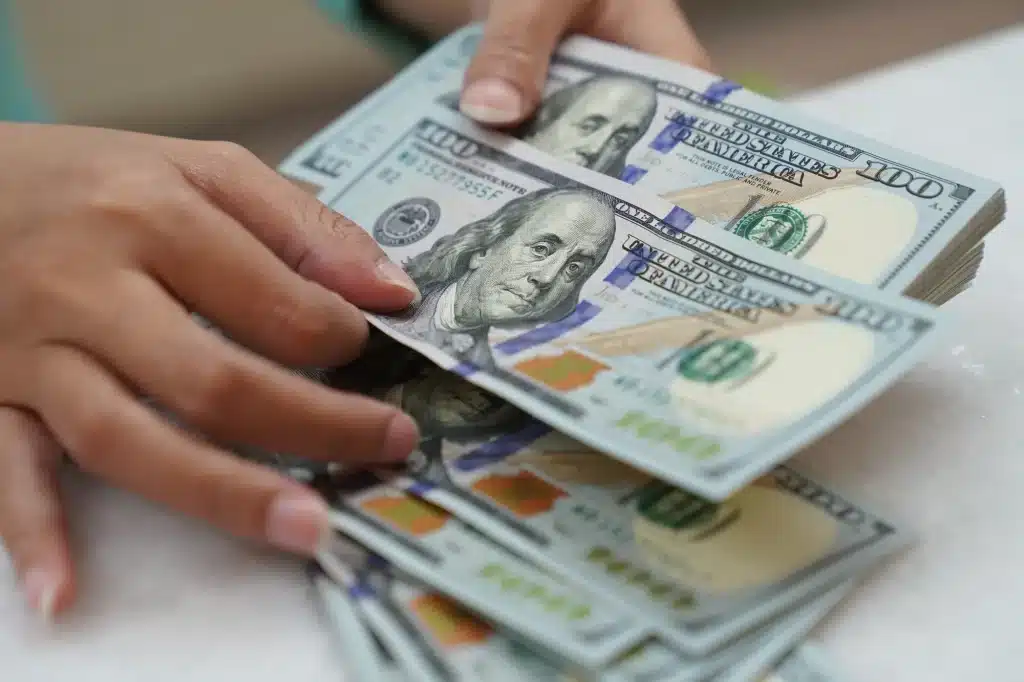
Dimon’s warning was blunt. Speaking on PBS’ Firing Line with Margaret Hoover, he said the US could lose its reserve-currency position over the next 25 years. This is if it fails to remain the world’s strongest economy and military power. He also warned that a more fragmented financial system would create greater risks for the US. Dimon said,
“If we’re not the strongest military in 25 years and the strongest economy, we won’t be the reserve currency either. The world will be fragmented, and it’ll be very dangerous for us.”
The comments come as the government faces growing pressure to reduce its dependence on China for strategically important goods. Dimon pointed to rare earths, aluminum, steel and other critical materials as areas where the US had become too reliant on Beijing. He added,
“We can’t rely on China for that, we can’t allow mercantilist behavior, we need to do it here, we made a mistake.”
This concern is already seen in JPMorgan’s strategy. The bank launched a $1.5 trillion, 10-year Security and Resiliency Initiative focused on sectors including critical minerals, energy, defense, AI and advanced manufacturing.
Meanwhile, the dollar reserve position remains difficult to challenge, despite discussions around de-dollarization. The currency still makes up roughly 57% of global foreign-exchange reserves. But its share has fallen from around 70% at the beginning of the century.
Also Read: Dormant Bitcoin Wallet Movement Injects $3.2 Million Into Struggling FalconX
The Chinese yuan has also been attracting attention in recent months. The currency reached its strongest level against the dollar in more than three years. It is trading around 6.75 yuan per USD at press time. Strong Chinese exports and a large trade surplus helped support the move.

Beijing is also working to expand international use of the yuan. In July, the People’s Bank of China announced measures aimed at boosting Hong Kong’s offshore yuan market and aiding wider use of the currency in trade, investment and reserve management.
Still, the gap between the two currencies remains enormous. JPMorgan itself has described de-dollarization as an ongoing process rather than an imminent collapse of dollar dominance. Its research notes that the dollar still has a commanding position in foreign-exchange trading and global transactions.
For now, the US dollar remains firmly in first place. Dimon’s warning is really about what could happen much further down the road if America’s economic strength starts slipping. Meanwhile, alternatives such as the yuan are becoming more established.
Also Read: Solana Tokenomics Reform Triggers Supply Shock Fears As Daily Burns Edge Closer To 1,200% Jump

Written by Sahana Kiran
Sahana Kiran has been covering financial markets since 2019, with a focus on cryptocurrencies, fintech, and the geopolitical events shaping them. She previously reported for AmbCrypto and Watcher Guru, and now writes for BlockNow.