



Markets
September 14, 2026
Fed, ECB and BOJ May Hike Together as $2.35T Carry Trade Faces Test
Gold is usually supposed to thrive in chaos. When war breaks out and markets wobble, investors mostly run into the metal. But this script could be changing as gold’s price slipped 1.3% down to $4,655 per ounce on April 6. The decline came along with a rise in oil prices and a modest pickup in dollar strength. The latest moves come as markets are impacted by rising energy costs and the Federal Reserve’s next steps on inflation and interest rates.

Also Read: IMF & World Bank Spring Meetings to Tackle Global Debt and Growth

The drop in gold is closely tied to the recent rise in oil. This has pushed inflation expectations higher. Brent crude is currently at $110.26 per barrel. The latest rise is linked to ongoing tensions in the Middle East and has added to concerns around oil prices and inflation.
Higher inflation makes it harder for the Fed to cut rates. Officials have already indicated that they are in no rush to ease policy. Current projections show only one rate cut through 2026. Federal Reserve Chair Jermore Powell said,
“The median participant projects that the appropriate level of the federal funds rate will be 3.4% at the end of this year and 3.1% at the end of next year, unchanged from December. As is always the case, these individual forecasts are subject to uncertainty, and they are not a committee plan or decision.”
Meanwhile, markets are expected to stay high for longer. This is expected to pressure gold since it does not offer any yield.
Recent data shows how the dollar is adding to this. The Dollar Index rose 0.2% to 100.10. This has made gold more expensive for international buyers due to the demand.

Also Read: Jet Fuel Restrictions Hit Bologna, Linate and Venice Airports
At the same time, the labor market could be in trouble. US nonfarm payrolls rose by 178,000 in March, according to recent data. This is well above expectations of 59,000. But nearly half of that growth came from healthcare, which added 76,000 jobs.

Heather Long, chief economist at Navy Federal Credit Union, spoke about the same and said,
“The bottom line is March was somewhat encouraging, but it’s been a rocky year for the labor market with almost no hiring since last April. The March data will keep the Federal Reserve on hold, but no one is declaring victory yet. It’s likely to be a tough spring for job seekers.”
Outside of this sector, hiring has become weaker. Recent estimates suggest the overall private sector has been losing around 21,500 jobs per month. The three-month average for job creation stands at about 68,000, showing hiring is slowing.
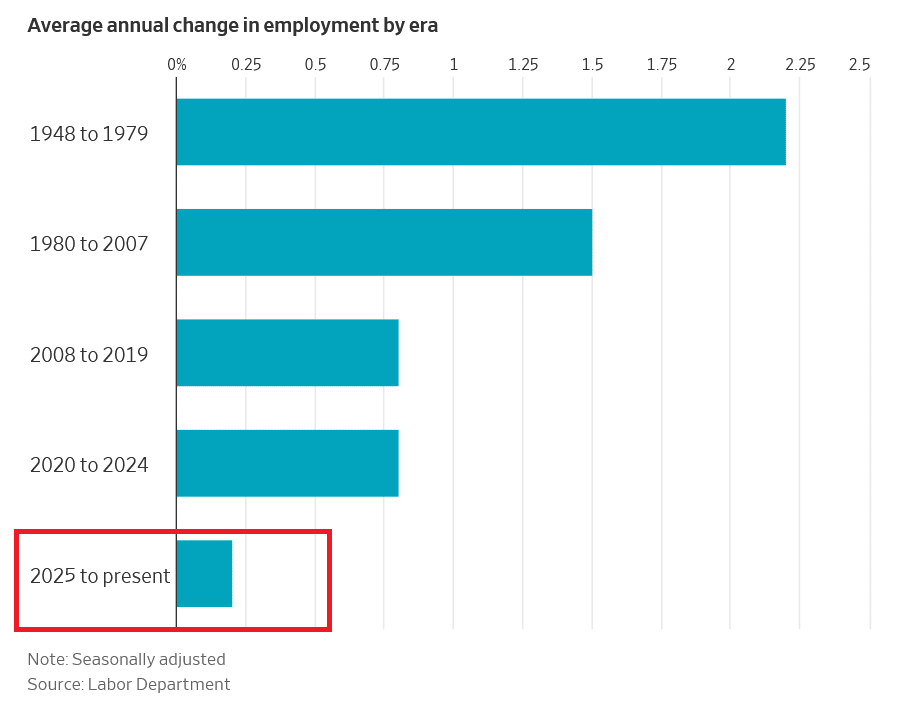
In addition, wage growth is also cooling. It increased just 0.2% in March and 3.5% annually. This is the slowest pace since 2021.

This leaves the Fed in a difficult position. Inflation pressures, driven mostly by rising oil prices, are complicating the Federal Reserve’s path on rates. At the same time, softer hiring trends suggest the economy is not as strong as the headline numbers show.
Also Read: Charles Schwab to Enter the Crypto Trading Space By June 2026

Written by Sahana Kiran
Sahana Kiran has been covering financial markets since 2019, with a focus on cryptocurrencies, fintech, and the geopolitical events shaping them. She previously reported for AmbCrypto and Watcher Guru, and now writes for BlockNow.