

Markets
September 12, 2026
ECB Interest Rate Hike Lifts Deposit Benchmark to 2.50% Amid Sticky Inflation
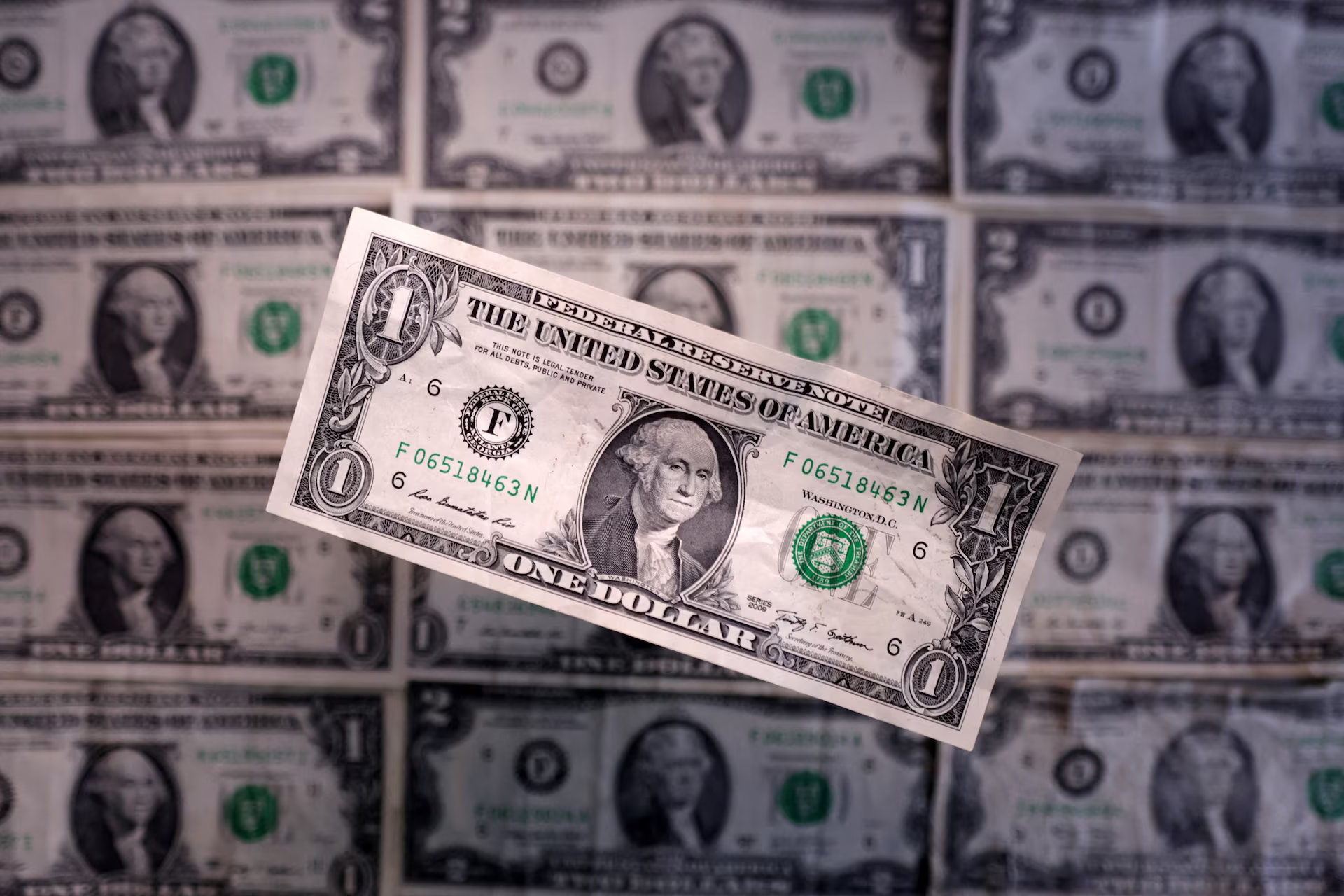
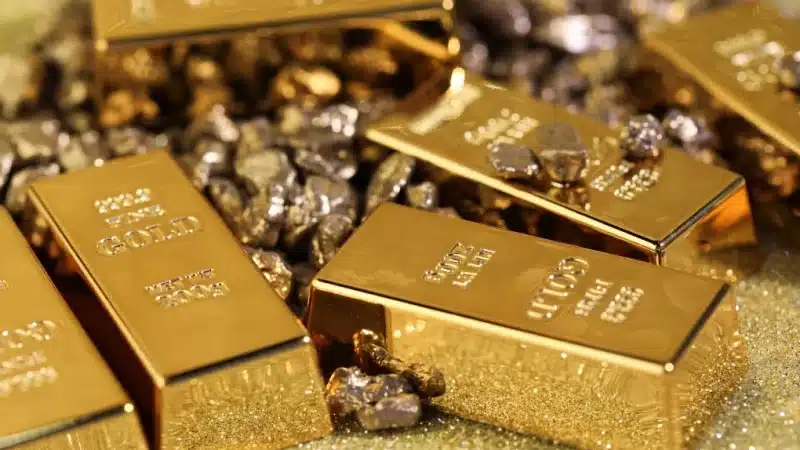
De-dollarization discussions have returned to focus after new data showed the US dollar’s share of global foreign currency reserves has fallen below 45%. It is the lowest level this century. Central banks have continued increasing gold reserves while slowly reducing exposure to traditional reserve assets. The dollar still remains the world’s dominant reserve currency. But recent reserve trends suggest more countries are gradually diversifying holdings.
Also Read: JPMorgan Launches Ethereum Treasury Fund as Charles Schwab Expands Crypto Trading

The US dollar has remained the backbone of global trade and foreign reserves for decades. This is because of the depth of US financial markets and the role of Treasuries in the global system. The position has not changed, but reserve allocation trends have started shifting gradually.
Recent data showed central bank gold holdings have moved above valuation-adjusted US dollar reserves for the first time on record. Central banks have continued adding gold reserves over the past few years. Meanwhile, some countries explore trade settlements using local currencies instead of the dollar.

The de-dollarization discussion has also picked up after geopolitical tensions and sanctions. This increased concerns around reserve concentration. Countries, including China and several BRICS economies, have publicly discussed reducing long-term dependence on dollar-based systems.
Also Read: Nvidia Valuation Tops $5.4 Trillion as Jensen Huang Joins Trump’s China Trip
On the contrary, the reserve shift is happening alongside stronger demand for US assets and continued dollar strength in global markets. India and the UK have been among the weakest major equity markets since the US-Iran conflict intensified. Market data shows India’s Sensex has fallen more than 8% during the period, while the Nifty is down more than 7%. The UK’s FTSE has also remained in negative territory.
The Indian rupee has remained under pressure as higher oil prices increase import costs for the country. India recently raised gold import duties to 15% as policymakers tried to manage pressure on the trade deficit and external balances.
Several analysts still expect the dollar to remain the leading global reserve currency for the foreseeable future. This is even though central bank diversification into gold and alternative reserve assets is continuing steadily.
Also Read: Investing Legend Michael Burry: Stock Market “Jumped The Shark”

Written by Sahana Kiran
Sahana Kiran has been covering financial markets since 2019, with a focus on cryptocurrencies, fintech, and the geopolitical events shaping them. She previously reported for AmbCrypto and Watcher Guru, and now writes for BlockNow.