



Markets
September 14, 2026
Fed, ECB and BOJ May Hike Together as $2.35T Carry Trade Faces Test
Key Takeaways
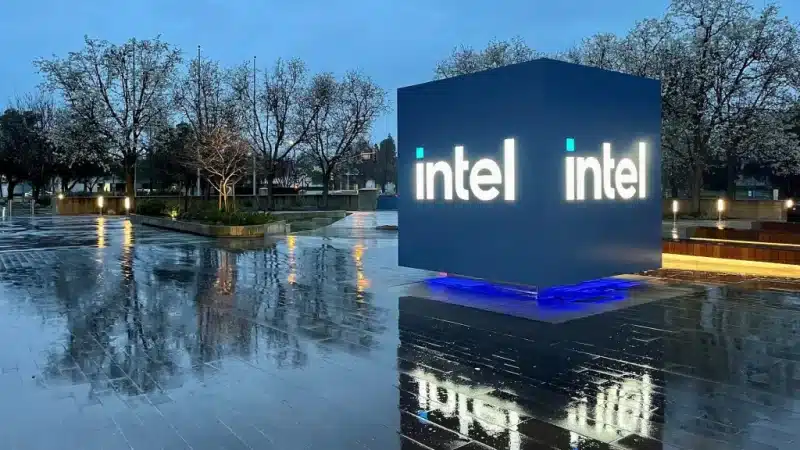
Intel shares rose in premarket trading after President Donald Trump said Apple had agreed to work with the company on chip design and manufacturing in the US. The announcement comes as Intel continues its push to grow its foundry business. This is an area where it has spent years trying to catch up with Taiwan Semiconductor Manufacturing Company (TSMC). Reports reveal that the two companies had been discussing a potential manufacturing agreement for more than a year.
Also Read: US Debt Interest Costs Could Reach $2.5 Trillion by 2036, Burden Per Household Nears $17,000

Intel shares gained more than 9% before the market opened following Trump’s post on Truth Social. Apple currently relies on TSMC for the production of its custom chips used in iPhones, Macs, and other devices. A manufacturing agreement with Intel would give the company additional production capacity while supporting efforts to expand US chip manufacturing.

The reported partnership would also be notable for Intel. Its foundry business has struggled to attract major outside customers despite significant investments in new fabrication facilities. Earlier this week, Intel said its 18A process technology had entered initial production. The company has positioned the technology as a key part of its effort to compete for advanced semiconductor contracts.
Also Read: OpenAI’s Losses Swelled to $38.5B in 2025 Despite $13B Revenue Surge
The reported agreement comes as technology companies deal with rising semiconductor costs. Apple CEO Tim Cook recently told The Wall Street Journal that higher memory chip prices had become difficult to absorb as demand linked to artificial intelligence continues to grow. Cook said,
“We’re doing our best to mitigate the huge increases that are being passed to us, and we’ve been trying to shield our customers from the increases, but the situation has become unsustainable.”
Research firm Omdia expects average smartphone selling prices to rise in 2026 as manufacturers face higher component costs. TSMC has also indicated that inflation and production expenses could lead to further price increases. Meanwhile, Samsung has warned about ongoing memory chip supply constraints.
For Apple, expanding its manufacturing base could help reduce dependence on a single supplier at a time when competition for advanced chip capacity remains intense. And for Intel, securing a customer of Apple’s scale would provide another boost to the foundry business.
Also Read: Shiba Inu Exchange Activity Turns Bearish as Billions of SHIB Flow In

Written by Sahana Kiran
Sahana Kiran has been covering financial markets since 2019, with a focus on cryptocurrencies, fintech, and the geopolitical events shaping them. She previously reported for AmbCrypto and Watcher Guru, and now writes for BlockNow.