



Markets
September 14, 2026
Fed, ECB and BOJ May Hike Together as $2.35T Carry Trade Faces Test

The Iran war shifted again over the weekend, and markets are still catching up. Iran said the Strait of Hormuz was open on Friday. By Saturday, it was back under restrictions. This quick reversal disrupted shipping and raised brand new security concerns. The slew of events pushed the oil price higher after a brief dip. With the ceasefire expiring midweek, the situation now looks uncertain heading into the next few days.
Also Read: Crypto Institutional Adoption Accelerates as Kraken Revives IPO
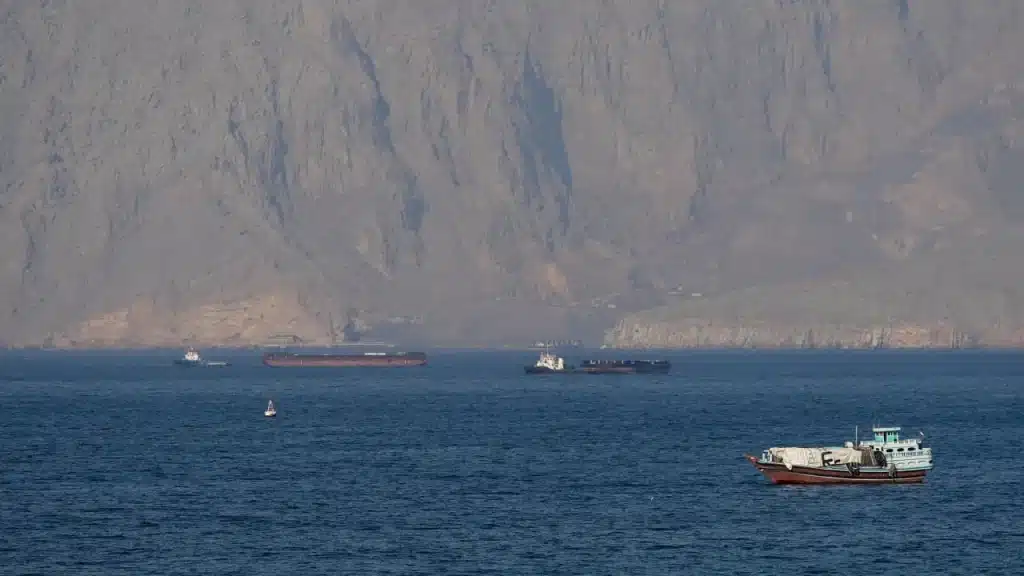
Reports from maritime authorities indicate that Iranian Revolutionary Guard vessels fired near commercial ships in the strait. This forced several to turn back. Two Indian-flagged vessels were among those affected, prompting India to summon Iran’s ambassador.
Iran’s leadership has also made its position clear. Iran’s chief negotiator, parliamentary speaker Mohammed Bagher Qalibaf said,
“the Americans have announced a blockade in recent days; this is a naive decision made out of ignorance. It is impossible for others to pass through the Strait of Hormuz while we cannot.”
At the same time, the US Navy seized an Iranian cargo ship, Touska. This was in the Gulf of Oman after what officials said was a failure to comply with warnings. US Central Command described the move as “proportional.” Meanwhile, Iran called it a violation of the ceasefire.
The Strait of Hormuz remains critical to global energy supply. The narrow waterway has about 20% of the world’s oil passing through it. Even partial disruptions tend to move markets quickly.
Also Read: Kelp DAO Hack: Justin Sun Proposes Talks to Prevent $292M Collapse
Oil markets reacted almost immediately. Brent crude, which had slipped on Friday after Iran’s initial announcement, rose about 7% once the strait was restricted again. It climbed toward $96.88 per barrel. Currently, it sits at $94.85 following a nearly 5% uptick.

The price move shows how sensitive traders are to developments in the region. A short-lived signal of stability was enough to push prices down. The reversal did the opposite.
There are also questions around trading activity before Friday’s brief reopening. This comes after reports suggested large oil short positions were placed shortly before the announcement. This has led to speculation about whether some participants had early information, though no official findings have been released.
The political side is moving just as quickly. President Donald Trump said Iran must agree to terms by Wednesday evening. If they don’t, they will face strikes targeting key infrastructure, which includes power plants and bridges.

Talks, however, are not progressing. Iran has declined to attend the latest round of negotiations in Islamabad, citing the ongoing US naval blockade. A senior US official told reporters that without progress, the conflict could resume within days.
A draft of the Iran nuclear deal has been circulating. This outlines a possible framework. It includes limits on uranium enrichment, international inspections, and reopening Hormuz, but under supervision. In return, Iran would receive sanctions relief and access to frozen funds.
Also Read: Circle Q1 Earnings Set to Reveal Stablecoin Strength

Written by Sahana Kiran
Sahana Kiran has been covering financial markets since 2019, with a focus on cryptocurrencies, fintech, and the geopolitical events shaping them. She previously reported for AmbCrypto and Watcher Guru, and now writes for BlockNow.