



Markets
September 14, 2026
Fed, ECB and BOJ May Hike Together as $2.35T Carry Trade Faces Test
Key Takeaways
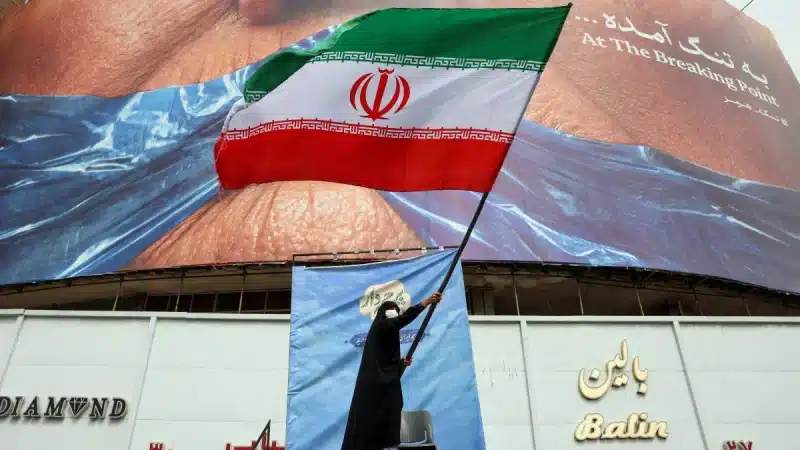
The Iran war escalated again this week after Tehran launched missiles and drones toward US military bases in Bahrain, Kuwait, and Jordan. This prompted a fresh round of American strikes inside Iran. The exchange came as President Donald Trump continued to signal that an Iran nuclear deal remains possible despite the fighting. Yet in the Gulf, policymakers appear to be preparing for a much longer disruption, particularly around one of the world’s most important energy routes.
Also Read: China Plans $295B AI Data Center Buildout as Race With US Intensifies
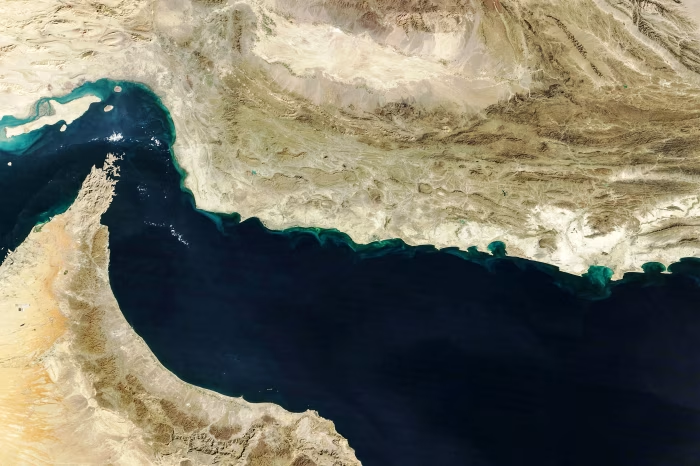
Iran’s latest attacks followed US strikes on roughly 20 Iranian military targets linked to operations near the Strait of Hormuz. While both sides have continued military operations, Trump told Politico that negotiations with Tehran remain alive. This is keeping hopes of a diplomatic breakthrough on the table. For energy markets, however, attention is mostly shifting toward infrastructure rather than diplomacy.
The UAE has confirmed that a second pipeline designed to bypass the Strait of Hormuz is nearly 50% complete and remains on track for a 2027 launch. According to ADNOC CEO Sultan Al Jaber, the project will double the country’s export capacity through Fujairah to about 3.6 million barrels per day. This will allow more crude to reach global markets without relying on the narrow shipping corridor.
The timing is important here. The Strait of Hormuz oil route previously handled around 20% of global oil and LNG trade. This made it one of the most critical chokepoints in the energy market. Al Jaber said more than 1 billion barrels of supply have been lost since disruptions around Hormuz began, with roughly 100 million additional barrels affected every week the situation persists. He added,
“Right now, too much of the world’s energy still moves through too few chokepoints.”
Also Read: Japan’s SBI Shinsei Bank Offers XRP Rewards as Forecasts Target $1.80 in 2026
The UAE’s push comes shortly after its departure from OPEC. This gives Abu Dhabi greater flexibility over future production plans. Combined with the new pipeline project, it suggests the country is positioning itself for a future where exports are less dependent on Hormuz.
This matters for the oil price today, which continues to react sharply to developments linked to the Israel-Iran war. Even if tensions ease, ADNOC estimates it could take months for flows to recover and potentially until 2027 for conditions to fully normalize.
US Energy Secretary Chris Wright recently argued that the strategic importance of Hormuz could diminish over time as Gulf producers develop alternative export routes. The UAE appears to be moving ahead with exactly that strategy. He added,
“We will see a decreasing importance from the Strait of Hormuz, but not a decreasing importance of those nations’ energy production and energy supply.”
Also Read: OpenAI Confidentially Files for IPO as Traders Bet on $1.5T Valuation

Written by Sahana Kiran
Sahana Kiran has been covering financial markets since 2019, with a focus on cryptocurrencies, fintech, and the geopolitical events shaping them. She previously reported for AmbCrypto and Watcher Guru, and now writes for BlockNow.