



Markets
September 14, 2026
Fed, ECB and BOJ May Hike Together as $2.35T Carry Trade Faces Test
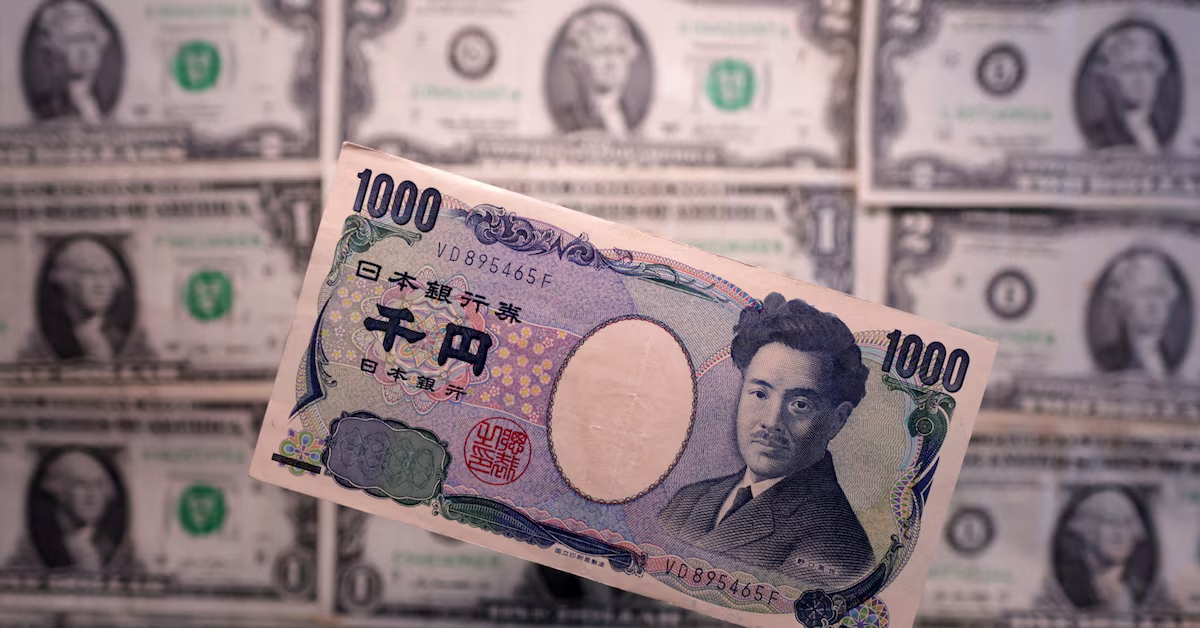
The yen is heading back toward 160 to the dollar, putting Japan’s recent currency intervention under the spotlight again. The move is notable because Japan had the US alongside it when officials stepped in to support the Japanese yen. This helped push the currency sharply higher for a few days. The relief did not last. With Japanese bond yields rising and US yields still offering investors a much bigger return, the same forces that weakened the yen are starting to show up again.
Also Read: Strategy’s Bitcoin Buying Pause Ends Later This Year: What’s Next for BTC?

The yen briefly strengthened to around 155 after the intervention, having traded above 163 just before. It is now back above 159, according to reports. This puts 160 within sight once again.
For traders, this level matters because another fast move through 160 could put pressure on Japanese officials to respond. The previous intervention may have made investors more cautious about betting against the yen, but it did not change the basic economics behind the trade.
Japan still has much lower borrowing costs than the US. This pushes investors to borrow in yen and put the money into higher-yielding assets elsewhere. Rising US Treasury yields have made that trade harder for Japan to fight.
This comes with another important factor Japan’s huge exposure to US government debt. Japan remains the largest foreign holder of US Treasuries, with more than $1 trillion in holdings. At the same time, concerns about the yen have raised questions about whether Tokyo could eventually need to tap those assets during another currency intervention.
Also Read: Nvidia, Micron, and Tesla Dominate US Trading as Gold Demand Rebounds
The backdrop is shifting in the US. Japan’s government bond market has become more attractive as yields climb. The two-year Japanese government bond yield recently reached around 1.64%. Meanwhile, longer-dated JGB yields have climbed sharply as well.

This could eventually help support the yen, but markets are still waiting to see how far the Bank of Japan is willing to go with rate increases. But Japan yen intervention looks more like a warning to traders than a permanent fix. The next test could come if the USD yen pair pushes decisively through 160.
US Treasury data also show that foreign investors bought $262.8 billion of long-term US securities in May. This points at how strong the demand for American assets remains.
Also Read: US Banks Carry $325B in Unrealized Losses as Credit Card Debt Hits $1.26T

Written by Sahana Kiran
Sahana Kiran has been covering financial markets since 2019, with a focus on cryptocurrencies, fintech, and the geopolitical events shaping them. She previously reported for AmbCrypto and Watcher Guru, and now writes for BlockNow.