



Markets
September 14, 2026
Fed, ECB and BOJ May Hike Together as $2.35T Carry Trade Faces Test
The US oil market is heading into a tighter stretch with far less room for error. The country’s emergency crude stockpile has fallen to its lowest level since 1982. Meanwhile, the US oil supply cushion has shrunk to around 41 days. With the Strait of Hormuz still restricting global flows, the question now is how much protection the US government has left if another supply shock hits.
Also Read: China’s Well-Known Miner Plans to Buy ETH, Not BTC, With Remaining Funds as Ethereum Eyes $2.66K

The latest numbers from the Strategic Petroleum Reserve are hard to ignore. US oil reserves in the SPR fell by another 5.3 million barrels last week to 293.4 million barrels, according to Energy Department data.
This puts the reserve at its lowest level since 1982. The decline follows a broader effort to release oil into the market as disruptions in the Middle East have squeezed supply.
The more notable figure is the roughly 41 days of US oil supply left when the SPR is included, according to BofA data. This does not mean the US has 41 days before it runs out of oil. It shows how thin the country’s overall inventory cushion has become.

Also Read: Eurozone Flash PMI Growth Hits Nine-Month High, Hiring Turns Positive
The Strait of Hormuz is where the situation gets more uncomfortable. EIA estimates that crude and petroleum liquids moving through the waterway averaged just 4.9 million barrels per day in Q2 2026, compared with 21.6 million barrels per day before the conflict.
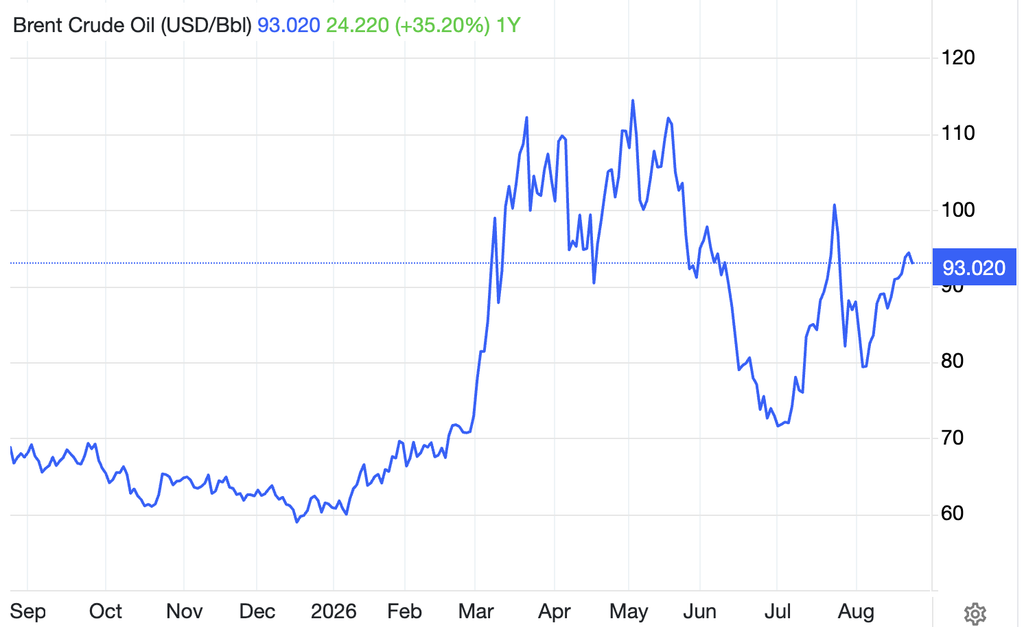
The disruption has already pushed oil prices higher. Brent was trading around $93 a barrel on Monday. Meanwhile, it was noted that shrinking inventories and strained shipping routes could put further pressure on crude.
A fresh oil spike would extend beyond the energy market. Morgan Stanley strategist Michael Wilson said higher oil is currently the biggest risk facing US stocks, warning that rising crude could lift inflation and bond yields and eventually force a response from the Federal Reserve.
Currently, investors are watching the same thing as energy traders. How much longer can the US absorb another supply shock with its oil cushion already this thin?
Also Read: CyberLeek GTA 6 Token Surges Above $10 Million Valuation

Written by Sahana Kiran
Sahana Kiran has been covering financial markets since 2019, with a focus on cryptocurrencies, fintech, and the geopolitical events shaping them. She previously reported for AmbCrypto and Watcher Guru, and now writes for BlockNow.