



Markets
September 14, 2026
Fed, ECB and BOJ May Hike Together as $2.35T Carry Trade Faces Test
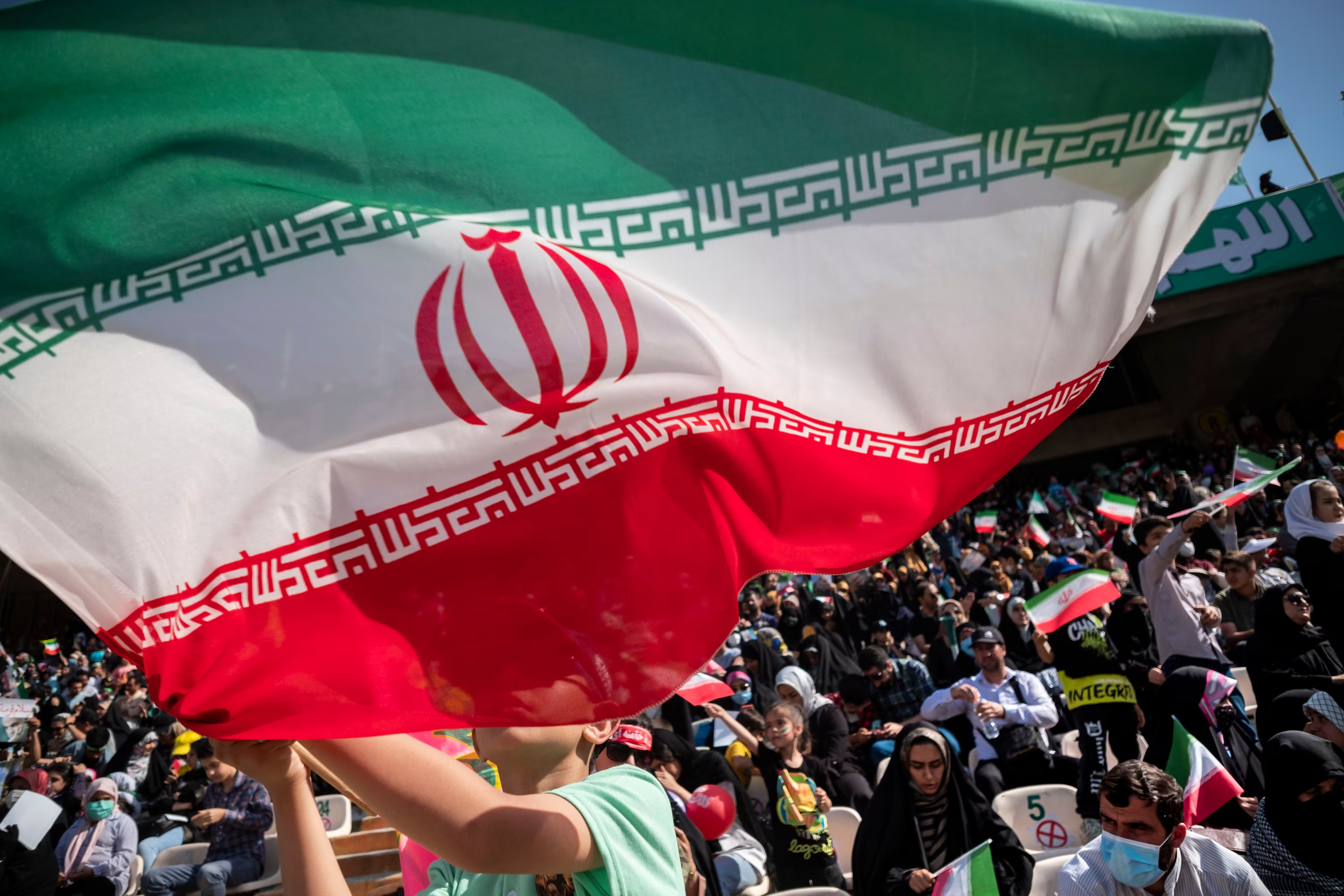
The brief calm that followed the June ceasefire between Washington and Tehran is fading fast. Fresh US military action and the return of Iran oil sanctions have put the war oil price story back at the center of global markets. Investors who had begun pricing in stability are once again watching oil, gold, and cryptocurrencies react to rising geopolitical risks. Once again, the Strait of Hormuz is emerging as the market’s biggest concern.
Also Read: China Considers Curbs on Overseas AI Access as DeepSeek Builds Its Own Chip

The US launched strikes on more than 80 Iranian military targets overnight after accusing Tehran of attacking three commercial vessels near the Strait of Hormuz. At the same time, the US Treasury revoked the 60-day sanctions relief granted under the June ceasefire. It gave buyers of Iranian crude until July 17 to wind down transactions. According to CNN, a US official described the operation as “punishment” and said it was deliberately “not proportional.”
The response from Tehran came within hours. Iran’s Islamic Revolutionary Guard Corps said it fired 85 missiles and drones at US military positions in Bahrain and Kuwait. Meanwhile, authorities in Kuwait activated air defenses to intercept incoming threats. Iranian negotiator Mohammad Bagher Ghalibaf also accused Washington of violating the June memorandum of understanding. This added further doubt over planned diplomatic talks related to the Iran war, impacting oil price.
Also Read: JPMorgan, BofA, Wells Fargo, and PNC Are Quietly Buying Their Way Out of Your Debit Fee Cap

The relief rally that followed the June peace agreement is beginning to fade. Bitcoin has come under pressure as investors dial back risk exposure. Bitcoin was seen trading at a low of $62,643.42 following a notable week just as the Iran war hit headlines. Amidst this, gold has firmed on safe-haven demand. Gold price was set at $4,117.39 as tensions rise in Iran.
The biggest uncertainty remains the Strait of Hormuz oil route, which carries a notable share of the world’s seaborne oil shipments. Any disruption there could tighten global supply and push crude prices significantly higher. Several analysts have already suggested WTI could move toward the $80 to $85 range if the waterway faces renewed restrictions.

Currently, the market reaction remains measured rather than panicked. But with sanctions back in force, military exchanges escalating and diplomacy under pressure, investors are once again pricing geopolitical risk into energy and financial markets.
Also Read: SK Hynix To Hit Nasdaq Today After the $200B Crash That Micron’s Earnings Just Contradicted

Written by Sahana Kiran
Sahana Kiran has been covering financial markets since 2019, with a focus on cryptocurrencies, fintech, and the geopolitical events shaping them. She previously reported for AmbCrypto and Watcher Guru, and now writes for BlockNow.