


Markets
July 12, 2026
US Inflation Data Expected at 4.2% YoY as CPI Hits Tuesday
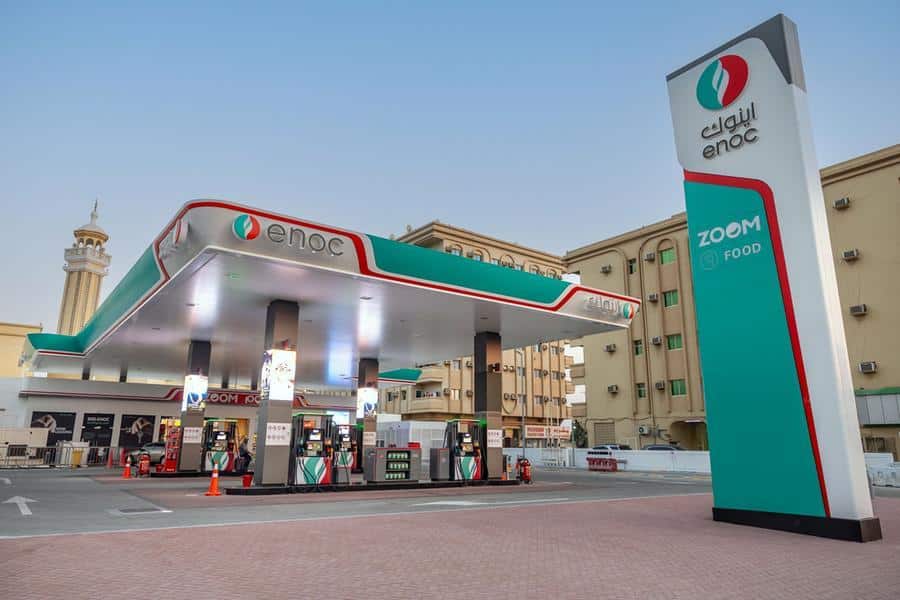
UAE motorists are seeing a sharp jump at the pump just as pressure builds across global energy routes. The latest UAE fuel prices for April reflect more than routine monthly changes. Behind the increase is a shift in the global oil supply. Disruptions are hitting more than one route at the same time. The impact is now starting to show up locally.
Also Read: Shiba Inu Price Prediction 2026: Can SHIB’s Recent Recovery Turn Into a Sustained Rally?
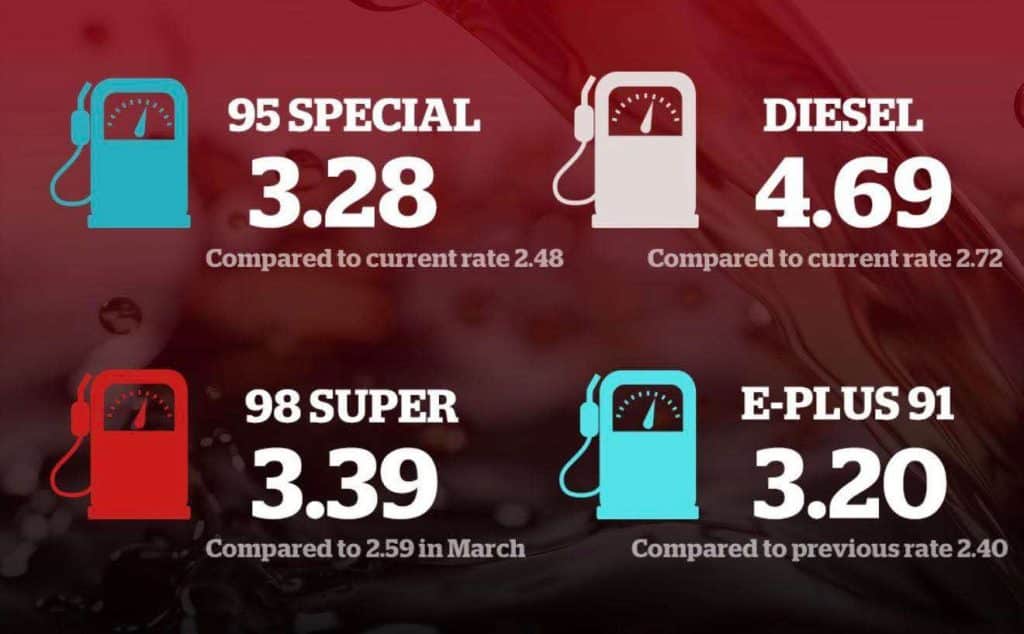
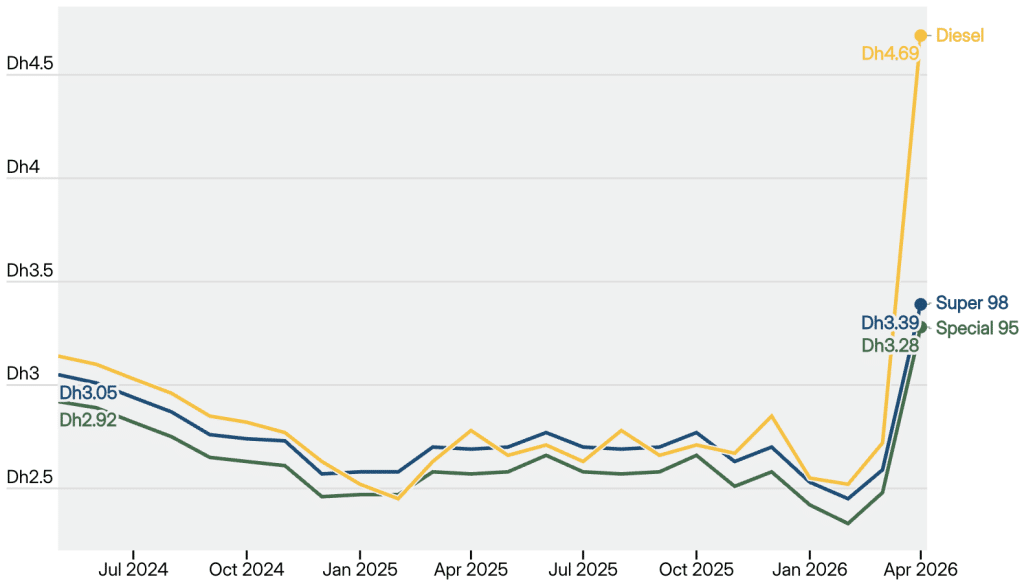
The UAE Fuel Price Committee raised prices across all categories for April. Super 98 is now about $0.92 per litre (Dh3.39). This is up from about $0.71 in March. Special 95 has moved to around $0.89 from $0.68, while E-Plus is now close to $0.87. Diesel saw the biggest jump, rising to about $1.28 per litre, compared to around $0.74 last month.
The UAE adjusts fuel prices monthly based on international markets. As a result, changes in oil prices tend to show up fairly quickly. But this impact is not limited to the UAE. Several countries, including the US, UK, Germany, Japan, South Korea, and Australia, have also reported higher fuel costs in recent weeks. Others across Asia, Europe, and Africa saw similar adjustments.
Also Read: Google’s Quantum Findings Put Bitcoin Security on a 10-Minute Clock
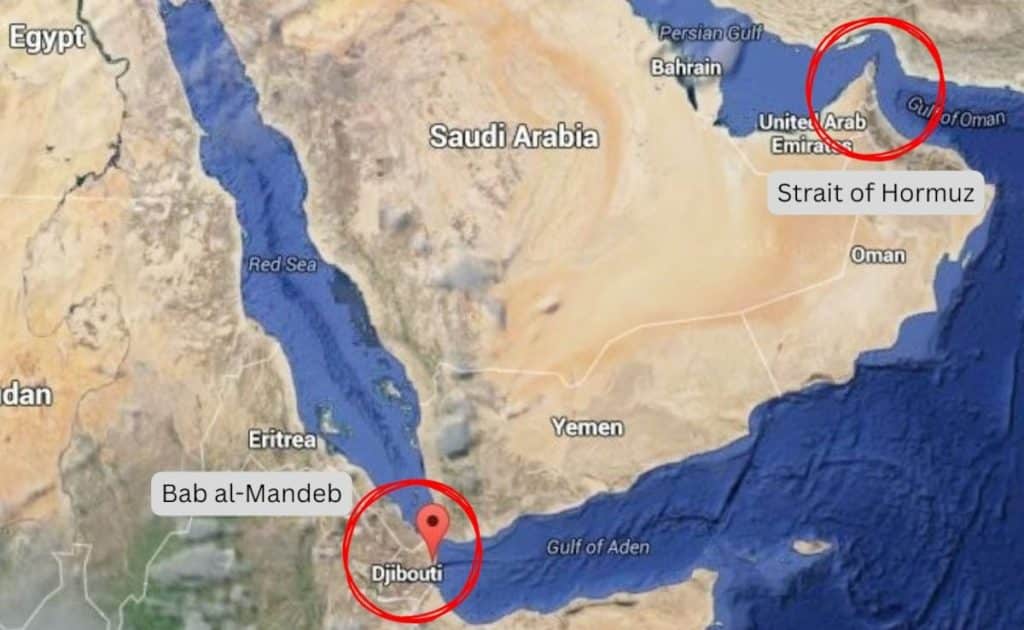
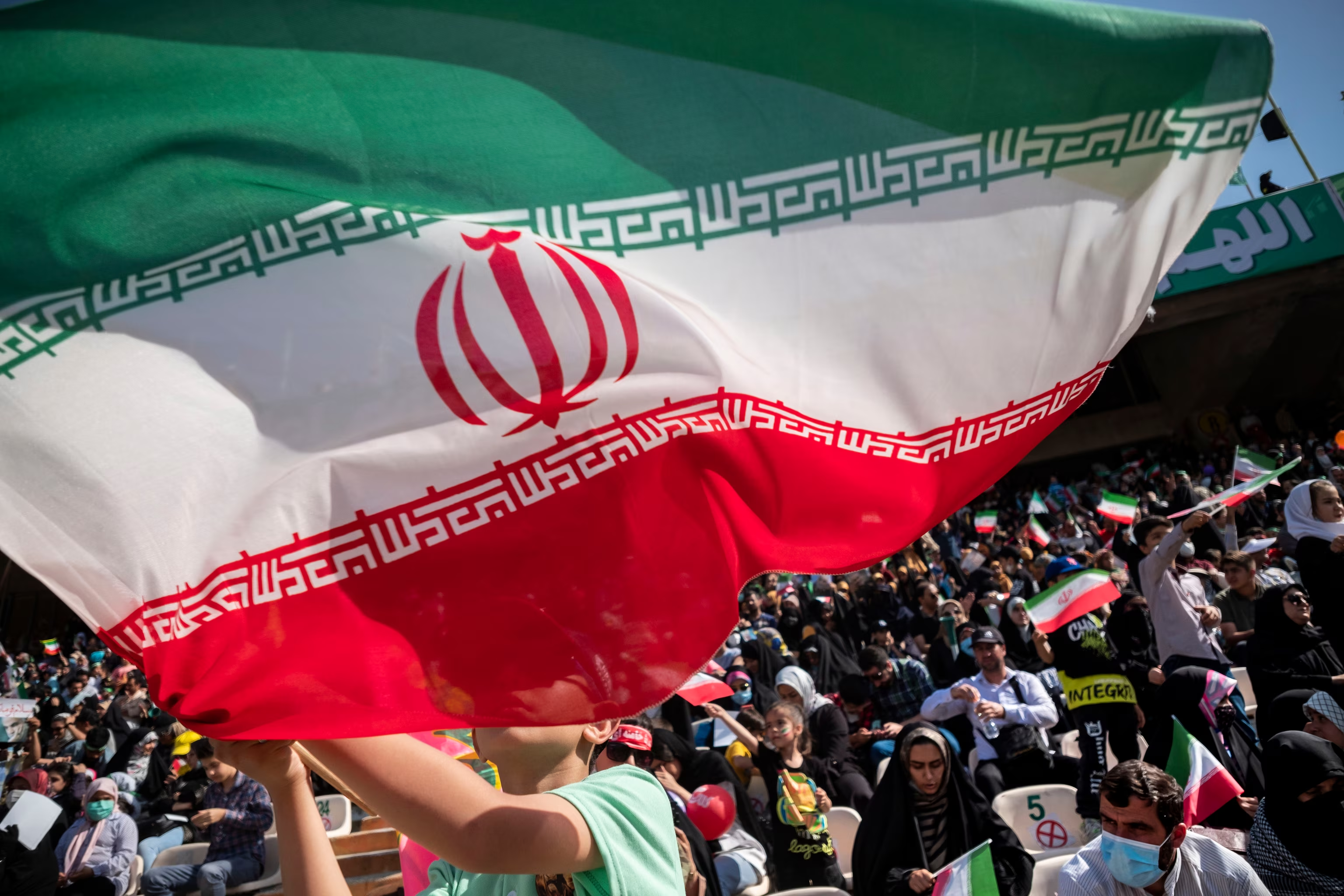
Right now, the Strait of Hormuz crisis is showing up directly in shipping data. Daily transit volumes through the route have dropped from around 4 million metric tons to near zero since the Iran war began. This matters because the Strait handles a significant share of the global oil supply.
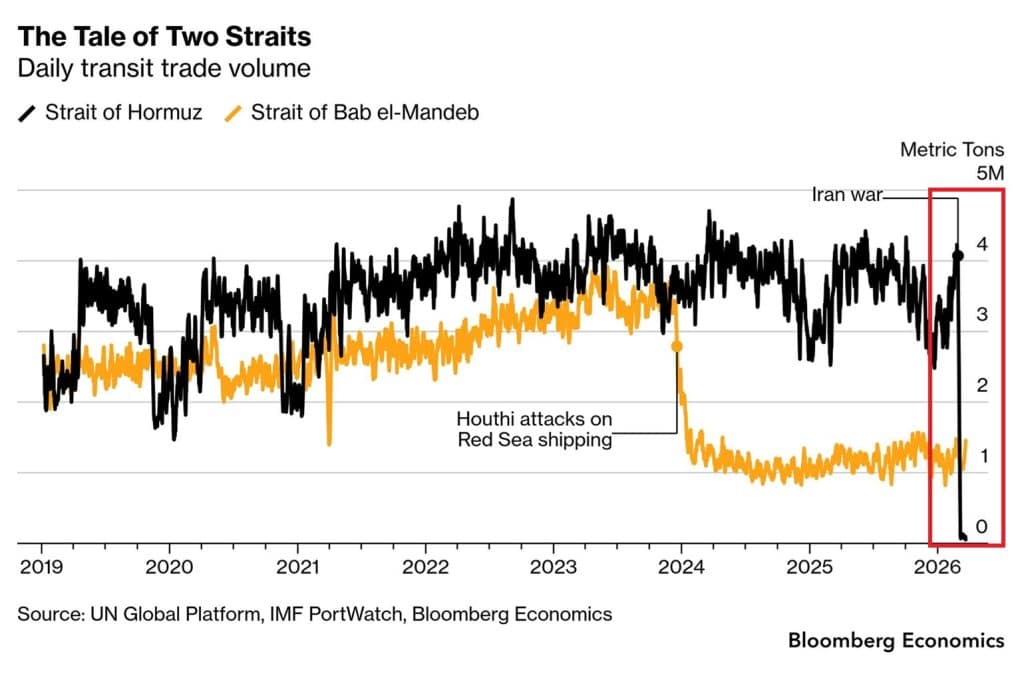
At the same time, the Bab el-Mandeb route in the Red Sea remains under pressure. The passage handles around 12% of global trade. The shipping in the region has not fully recovered since the Houthi attacks began in late 2023. Around 30 tankers are currently operating within strike range, adding to the risk for ongoing flows.
There is not a full supply cut, but movement is slower. The costs are higher, and uncertainty remains.
Also Read: SpaceX IPO Could Shut Out Robinhood as Morgan Stanley’s E*Trade Takes Control

Written by Sahana Kiran
Sahana Kiran has been covering financial markets since 2019, with a focus on cryptocurrencies, fintech, and the geopolitical events shaping them. She previously reported for AmbCrypto and Watcher Guru, and now writes for BlockNow.