



Markets
September 14, 2026
Fed, ECB and BOJ May Hike Together as $2.35T Carry Trade Faces Test

Key Takeaways
Ira has officially banned uranium transfers abroad, thus rejecting one of the main demands of the US in peace talks. The price of oil has now returned above $100, with the conclusion of the US-Iran war still cloudy. As a result, a senior US official told Axios the new Iranian counteroffer has “only token improvements” and if Iran won’t shift from its Uranium transfer ban, the US will continue negotiations “through bombs.”
Also Read: Tulsi Gabbard Is Trump’s 4th Cabinet Exit as Reuters Says She Was Pushed Out

Iran’s highly enriched uranium supply is at the heart of negotiations between the US and Iran. A failure to advance peace talks to end the Iran War only means that the Strait of Hormuz remains shut or impossible to navigate. As a result of the Strait of Hormuz closure, the oil supply worldwide will suffer, sparking oil prices. After a temporary dip below $100, oil is back above the mark, continuing its 40% surge since February 28. The price of oil hit as high a $107 earlier this week.
The longer the US-Iran war prolongs, the longer oil prices will remain up, which is a key recession indicator according to experts. During the 2008 financial crisis, global oil prices experienced a historic boom and bust. Crude oil surged to an all-time high of $𝟏𝟒𝟕.𝟐𝟕 per barrel on July 11, 2008. To several analysts, we are witnessing that pattern again now, putting the US at risk of recession. Further, the world has burned through 1 billion barrels of oil from storage since February, more than a coordinated strategic reserve release in history.
Also Read: Putin Left Beijing With 40 Deals and No Gas Price as China’s Leverage Grows
“Should no agreement emerge between the parties to the conflict, and should passage through the Strait of Hormuz therefore remain severely restricted for the time being, stock levels will come under increased scrutiny,” Commerzbank AG analysts including Barbara Lambrecht and Carsten Fritsch wrote in a note.
Futures on Brent crude (BZ=F), the international benchmark, fell 2.6% to trade around $102.30 per barrel after gaining as much as 3.5% before the Uranium ban, now sitting back at $103. Those on US benchmark WTI crude (CL=F) fell 2.5% to trade below $96 after rising as much as 4%. US consumers are continuing to feel the impact of energy inflation and oil prices as well. Average Oil prices stood at $4.55 a gallon as of today, according to the American Automobile Association. This is the highest price ahead of Memorial Day in four years. Consumer sentiment fell to a record low as long-term inflation expectations worsened.
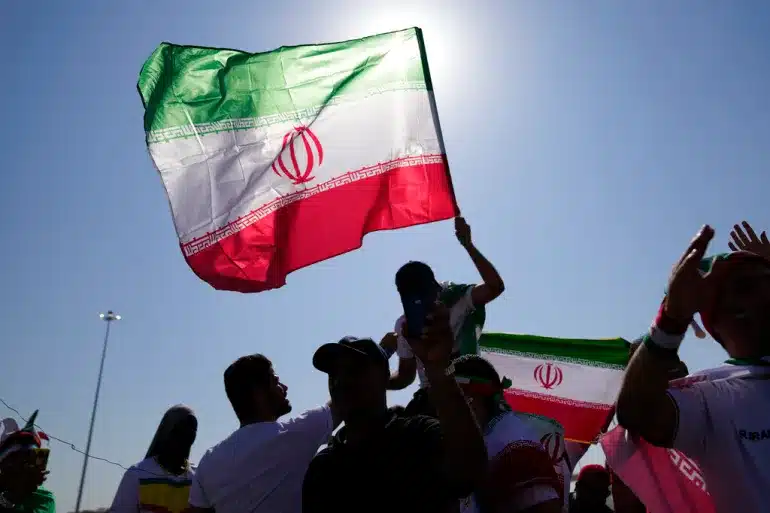
The United States remains optimistic that a deal will eventually be reached to end the Iran War. However, the Uranium transfer issue and re-opening the Strait of Hormuz remain the key issues the two nations cannot agree on. On Israel’s side of things, Israeli officials have said that President Trump has assured Israel that any peace deal must include a clause removing Iran’s highly enriched uranium from the country. For decades, diplomatic overtures and coercive measures have failed to durably reach a deal to ease United States’ concerns about Iran’s nuclear program. As a result, the latest war efforts this year continue a downward trend for the hopes of peace between the US, Israel and Iran. The longer the Strait of Hormuz remains closed due to the Iran war, the worst oil prices and the global economy will get.
Today, the crude oil futures price settled to $96.14.
Also Read: Gold Price Drops on Stronger US Dollar and Rising Yields

Written by Isaac Bennet