





Markets
August 27, 2026
US Debt Heads Toward 175% of GDP as Chinese Yuan Hits 3-Year High and Dollar Rebounds
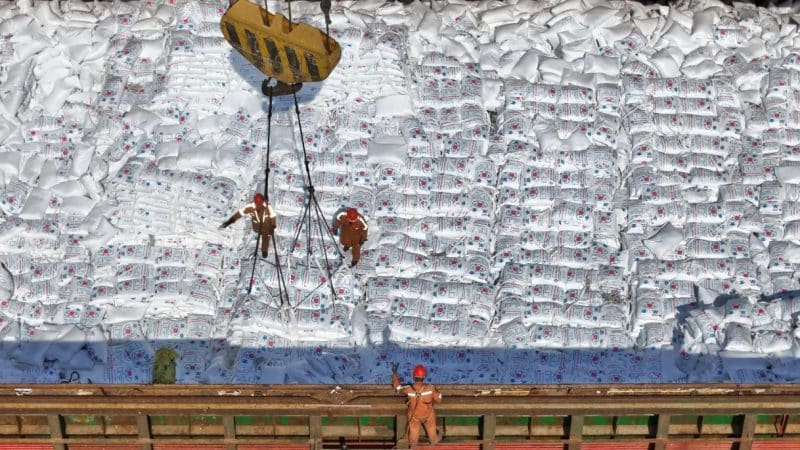
Food inflation is accelerating as farm bankruptcies jumped 46% in 2025, with the Midwest seeing a 70% spike in cases. Rising costs for fuel, fertilizer prices, and shipping are crushing farm revenues, while urea prices have doubled to around $900 per metric ton since February. These increases haven’t hit grocery shelves yet, but food inflation is set to surge over the next 6-12 months as costs work through the supply chain.
Also Read: Iran Proposes Hormuz Deal to US but Delays Nuclear Talks Until After War

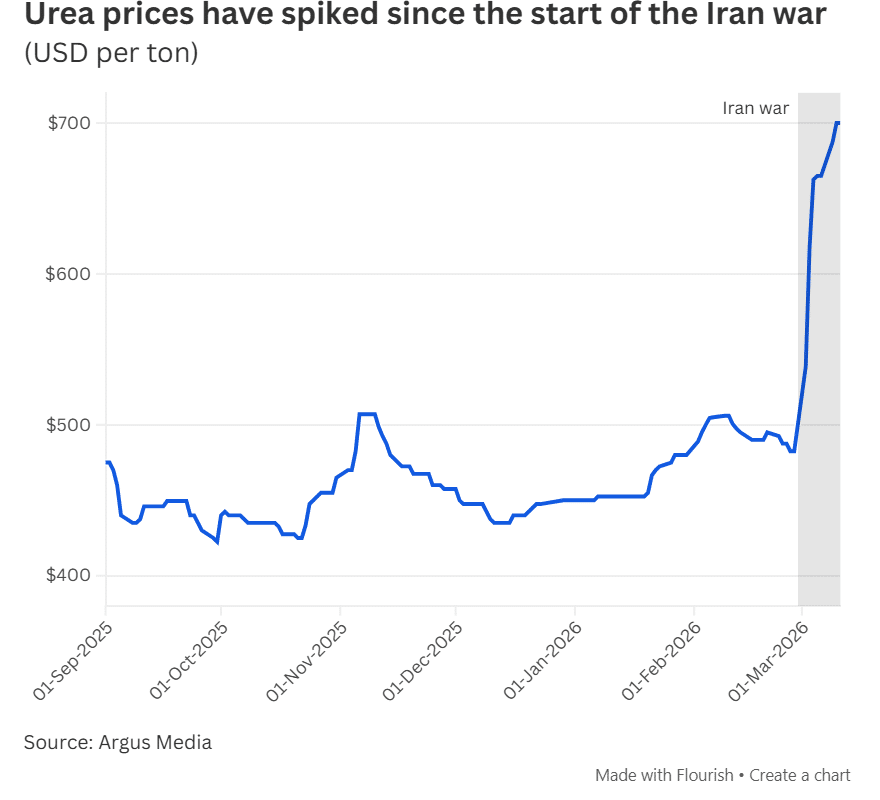
The Strait of Hormuz blockage has disrupted roughly a third of global fertilizer trade just as farmers enter spring planting season. Urea fertilizer costs have more than doubled since the Iran war began in late February, climbing from $400-$490 per metric ton to approximately $900 per ton.
Chris Lawson, vice president of market intelligence and prices at CRU, explained the supply situation:
”We estimate around 30% of exportable suppliers are not really available to the market right now, that is Saudi Arabia, Qatar and Bahrain, but that also includes Iran.”
Farm bankruptcies have accelerated across the agricultural belt as these input costs mount. A survey by the American Farm Bureau Federation found that around 70% of farmers cannot afford the fertilizer they need for the current season. The financial pressure is particularly severe in the Midwest, where farm bankruptcies jumped 70% as debt loads continue climbing.
Dawid Heyl, co-portfolio manager for the global natural resources strategy at Ninety One, highlighted why nitrogen fertilizers are critical:
”You can skip a season of potash, you can skip a season of phosphates, but you can’t skip a season of nitrogen.”
Also Read: Oil Price: Goldman Raises Brent to $90 as Record Inventory Draws Accelerate
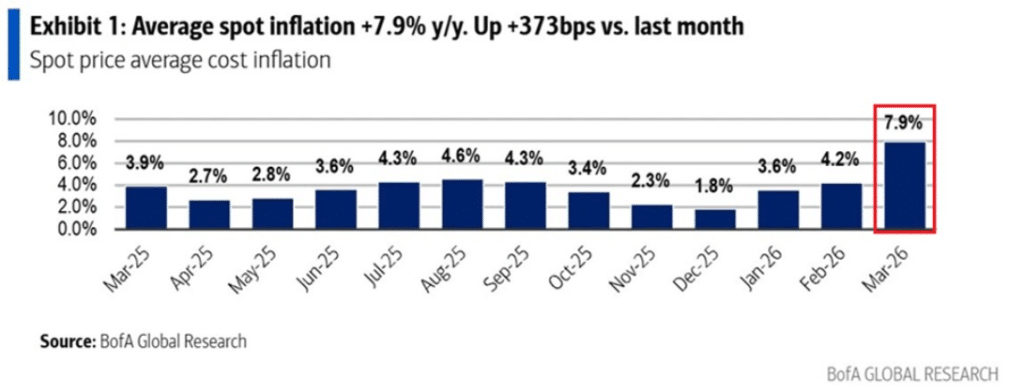
Average inflation for food and beverage companies surged 7.9% year-over-year in March, up 373 basis points from 4.2% in February. Tomatoes saw the largest jump at 102% year-over-year, vegetables rose 90%, and diesel climbed 88%. However, these increases were largely driven by higher fuel costs, meaning the full impact of rising fertilizer prices and farm bankruptcies has not yet been reflected in retail prices.
Richard Volpe, an agricultural economist at California Polytechnic State University, described the delayed impact:
”We’re feeling energy now. Then as we get into late summer and into the fall, that’s where we’re really going to start seeing the impact of the higher fertilizer costs.”
The USDA revised its food inflation forecast for 2026 upward to 3.6%, up from an earlier 3.1% projection. This reflects growing recognition that fertilizer prices and energy costs will push food inflation higher throughout the year. Polymarket traders currently see a 26% chance of a U.S. recession, reflecting mounting uncertainty about the agricultural sector’s ability to weather rising costs and farm bankruptcies.
Also Read: Chevron Q1 2026 Preview: Energy Sector Earnings in the Geopolitical Crosshairs

Written by Vladimir Popescu
Vladimir Popescu leads editorial coverage at BlockNow, with over 8 years in financial and tech journalism. He previously held editorial leadership roles at Watcher Guru and Windows Report, and has been cited by Forbes for his crypto market coverage.