





BRICS
June 12, 2026
What Is De-Dollarization and Why the BRICS vs Dollar Battle Is Reshaping Global Finance

The BRICS energy cost surge rattling global markets right now traces back to a single date: February 28th, when the Iran conflict began. The Strait of Hormuz, which once handled roughly one third of global fertilizer trade, went largely dark. Supply chains snapped. India absorbed an estimated $4 billion in additional monthly costs and, at the same time, the ripple reached American consumers too.
Gasoline prices in the US shot up 21.2% in a single month, energy costs climbed 10.9%, and CPI landed at 3.3% year-over-year. As BRICS Info reveals, intra-BRICS trade crossed $1 trillion in 2025, with the bloc now representing close to 40% of global GDP. Member countries are also moving steadily toward local currency settlements, cutting their reliance on dollar intermediation across key trade flows.
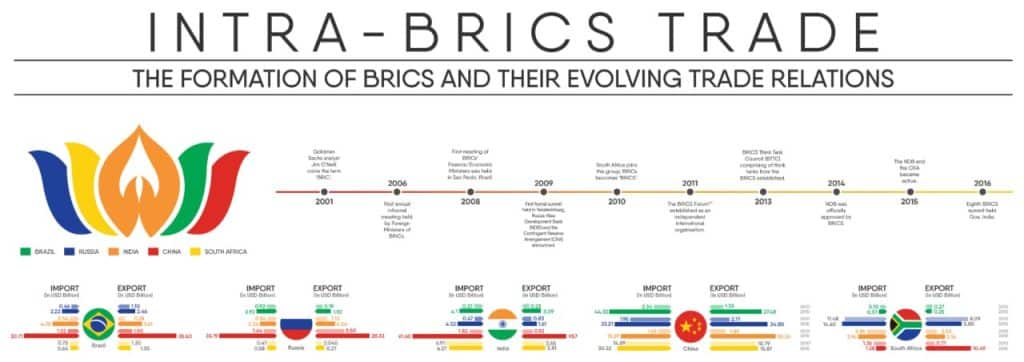
The chart above traces how intra-BRICS trade expanded across member states over roughly 15 years, a pattern that now underpins the bloc’s current push toward independent energy and food infrastructure.
Also Read: The Petrodollar System: Why Oil Traders Can’t Escape the US Dollar

The BRICS energy cost surge forced a real policy conversation this April. With fertilizer exports stalled and food supply chains under pressure, Russia’s Security Council put a concrete proposal forward. Alexander Maslennikov, deputy secretary of Russia’s Security Council, stated:
“To ensure food security, it is highly important to expand cooperation with friendly countries, primarily the member states of the Eurasian Economic Union and BRICS, including through the creation of joint food reserves.”
Maslennikov also warned that if the global fertilizer shortage runs into early summer, crop yields could fall by half, driving the sharpest rise in world food inflation in recent years. He added that the number of hungry people worldwide could reach a record 673 million as a result.
Also Read: Microsoft, Google, Amazon, Meta Issuing $400B Debt as Capex Surges 74%
Russian Deputy Prime Minister Dmitry Patrushev also addressed the grain exchange at the Gulfood-2026 exhibition in Dubai. His comments connect directly to the broader BRICS de-dollarization drive, with energy and food trade now named as the first live use cases for BRICS CBDC-based settlement. Patrushev stated:
“BRICS countries account for almost half of the total consumption of grains and oilseeds. Speaking about this area of cooperation, I also think it will be interesting.”
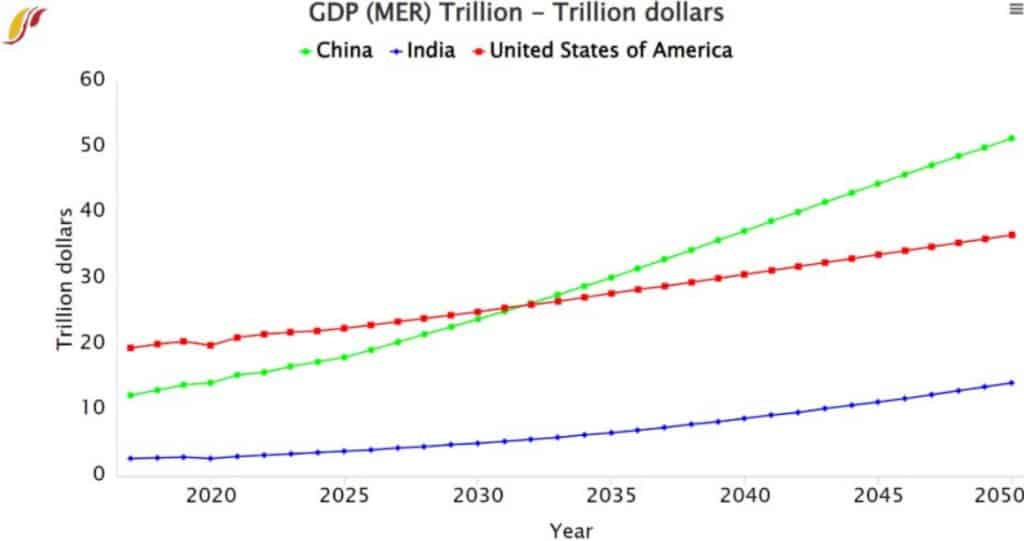
The GDP gap closing between BRICS heavyweights and the US is part of what gives the current oil volatility real geopolitical weight. A bloc that controls nearly 40% of global GDP also shapes commodity pricing, and that feeds directly into the US energy inflation spike playing out right now.
The US gasoline price spike and the broader energy cost surge hitting American households are not disconnected from BRICS-side disruptions. Global oil markets run as a single system. When supply routes tied to a major producer face disruption, the pricing pressure moves outward across every market. Energy costs in the US climbed 10.9% on the back of that disruption, feeding a 3.3% year-over-year CPI reading. That is the oil volatility impact arriving in a concrete, measurable form at the pump and on the CPI report.
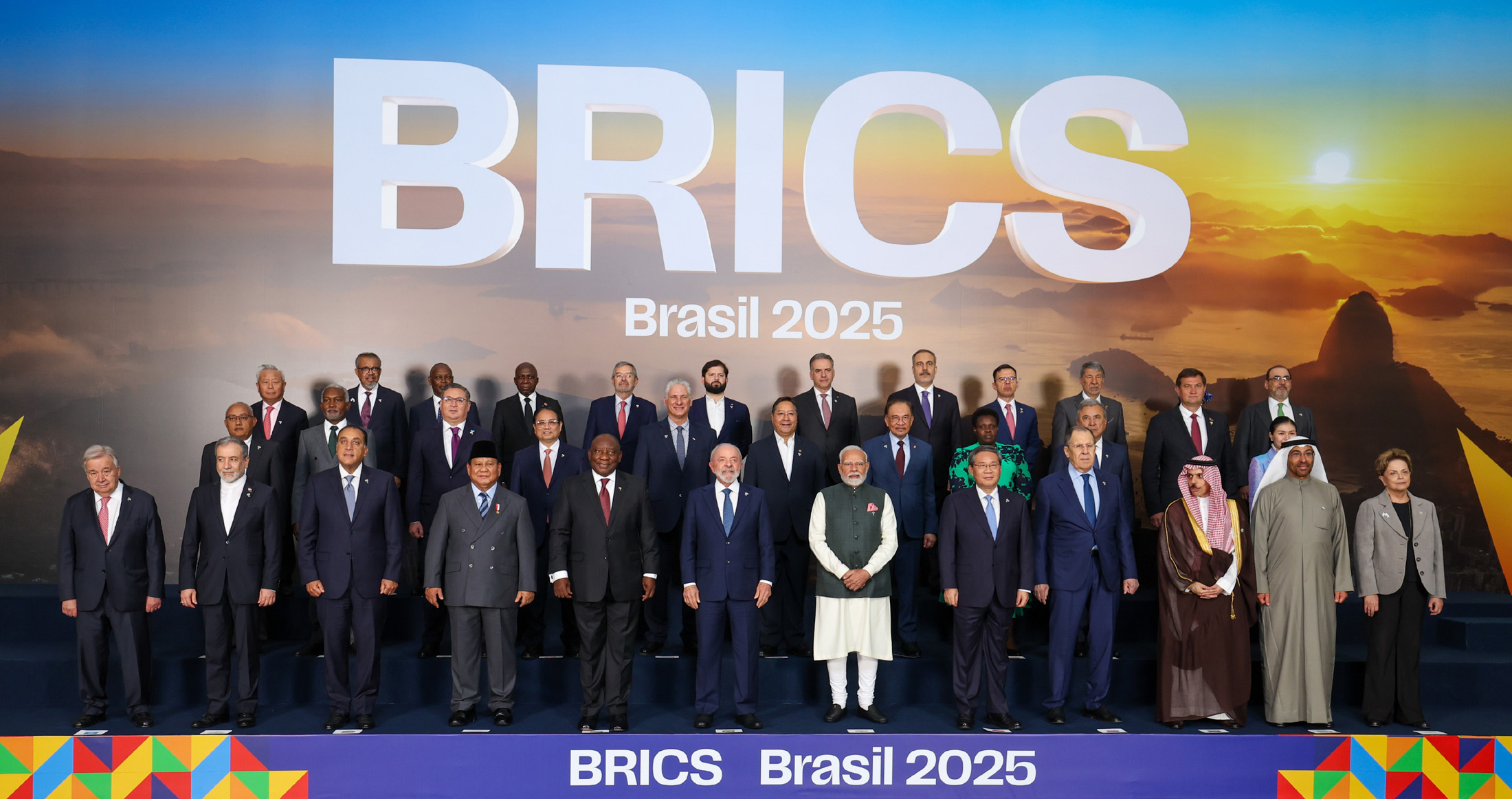
India holds the 2026 BRICS presidency, and Prime Minister Narendra Modi has been careful to frame the bloc’s ambitions in non-confrontational terms. At the 17th BRICS Summit in Rio de Janeiro, Modi stated:
“We must be careful to ensure that this organization does not acquire the image of one that is trying to replace global institutions.”
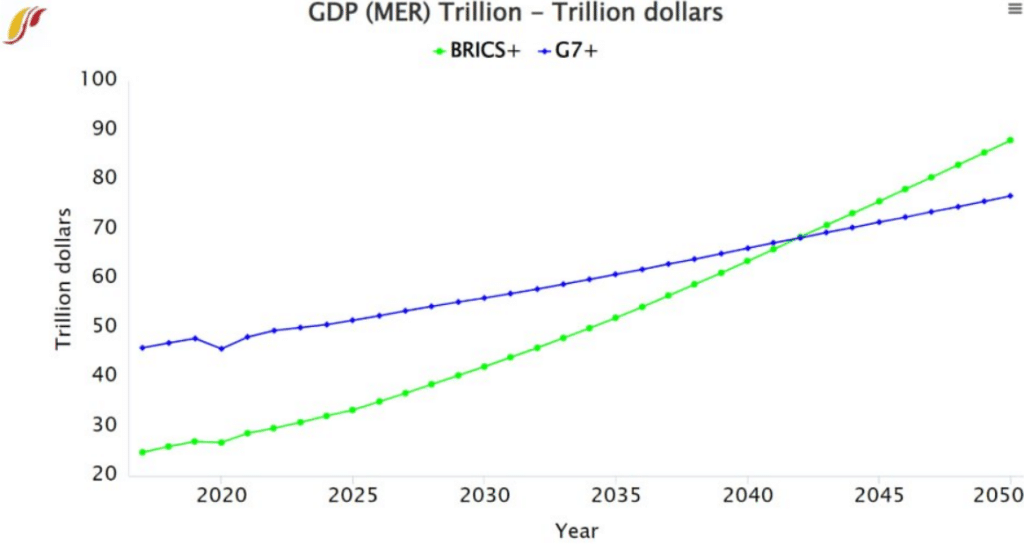
The BRICS+ bloc is on track to surpass G7+ GDP in the early 2040s, based on current projections. That shift in economic weight is precisely why the BRICS energy cost surge carries consequences well beyond the bloc’s own borders, and why US consumers are already absorbing part of the impact through higher gasoline prices and a persistent energy inflation spike.
Also Read: Oil Price: Goldman Raises Brent to $90 as Record Inventory Draws Accelerate

Written by Vladimir Popescu
Vladimir Popescu leads editorial coverage at BlockNow, with over 8 years in financial and tech journalism. He previously held editorial leadership roles at Watcher Guru and Windows Report, and has been cited by Forbes for his crypto market coverage.