



Markets
September 14, 2026
Fed, ECB and BOJ May Hike Together as $2.35T Carry Trade Faces Test
Key Takeaways
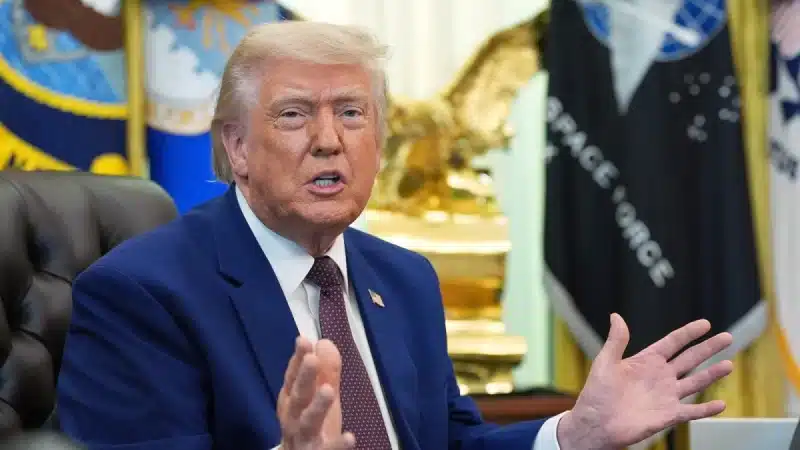
Markets briefly welcomed signs that diplomacy between Washington and Tehran was still alive. Speaking over the weekend, President Donald Trump said negotiations were progressing despite fresh tensions in the Iran war. He suggested that Israeli Prime Minister Benjamin Netanyahu would support any agreement reached by the US. But the mood shifted within hours. After Iran launched missiles toward Israel, Israeli forces carried out strikes inside Iran, bringing fresh uncertainty to talks that had appeared to be moving forward.
Also Read: Bitcoin Decoupling Intensifies with AI Stocks Rally

Iran fired around 10 missiles toward northern Israel on June 7, according to the Israel Defense Forces. The military said the missiles were intercepted, marking the first direct Iranian missile attack on Israel since the ceasefire reached in April. In northern Israel, residents were seen gathering in public shelters after air raid sirens sounded across several cities. The missile attack sent civilians scrambling for cover and pushed authorities to tighten security measures during this Iran war.
Trump responded by publicly urging restraint. Speaking to the Financial Times, he said, “I call the shots. I call all the shots. He doesn’t call the shots.” He was referring to Netanyahu. He also insisted that negotiations over an Iran nuclear deal remained on track despite the latest exchange.
According to reports, Trump later spoke directly with Netanyahu and asked him not to retaliate while talks with Tehran continued. A senior US official said,
“We think the president bought a little bit of time. He is pretty adamant that we are close to a deal with Iran. I don’t think anything is imminent in terms of an Israeli strike.”
Also Read: Fed’s Worst Nightmare? Why May CPI Could Delay Rate Cuts
Any expectation of a pause proved short-lived. The Israeli military later announced strikes on military targets in western and central Iran. Iranian media and international outlets reported explosions in areas including Tehran, Tabriz, and Isfahan. IDF Chief of Staff Lt. Gen. Eyal Zamir was reported to be monitoring the operation from the Israeli Air Force command center.
The developments quickly spilled into financial markets. Brent crude, a closely watched benchmark for oil prices today, rose about 4% and moved back above $96 per barrel as traders priced in the possibility of further disruption across the region.

The renewed tensions also arrive at a sensitive moment for negotiations. Trump has repeatedly said a deal is close, but several issues remain unresolved. Iran has called for access to roughly $24 billion in frozen assets before any broader agreement moves ahead. Meanwhile, disagreements remain over other parts of the proposed framework.
At present, the latest developments suggest the Israel and Iran war remains closely tied to the diplomatic process. Whether negotiations continue or stall may depend on how both sides respond in the days ahead.
Also Read: Accenture Earnings Risk: Can AI Growth Offset Cautious IT Budgets?

Written by Sahana Kiran
Sahana Kiran has been covering financial markets since 2019, with a focus on cryptocurrencies, fintech, and the geopolitical events shaping them. She previously reported for AmbCrypto and Watcher Guru, and now writes for BlockNow.