


Markets
August 30, 2026
Panama Canal Congestion Deepens as El Niño Drought Sparks Energy Market Disruptions
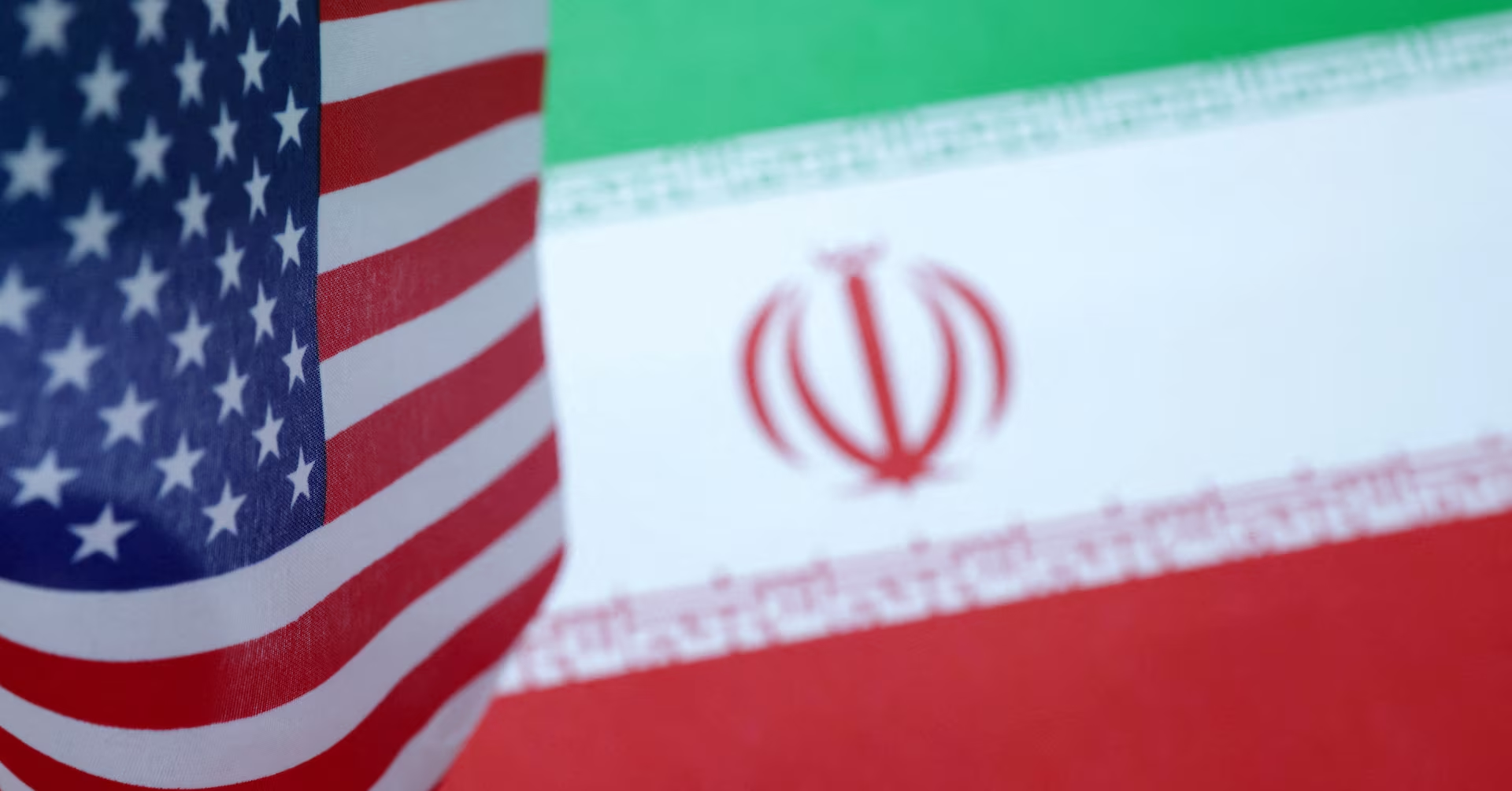
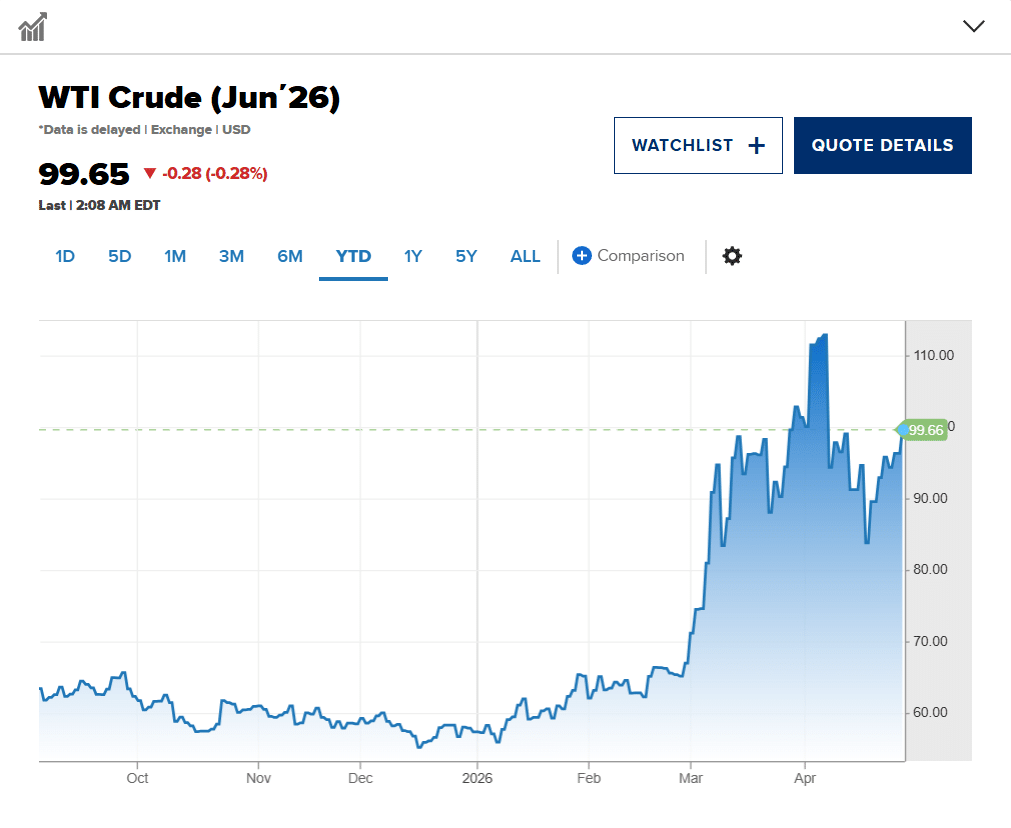
The Iran blockade continues as President Trump rejected Tehran’s proposal to reopen the Strait of Hormuz, opting instead for what The Wall Street Journal describes as an “extended blockade” strategy. Gas prices have surged to $4.12 per gallon, up 38% since the conflict began on February 28, and nearly 80% of Americans have changed their spending habits in response to the pain at the pump, according to a new CNBC survey.
Also Read: UAE Leaving OPEC After 60 Years, Targets 5M Barrels/Day by 2027 vs 3.4M Quota
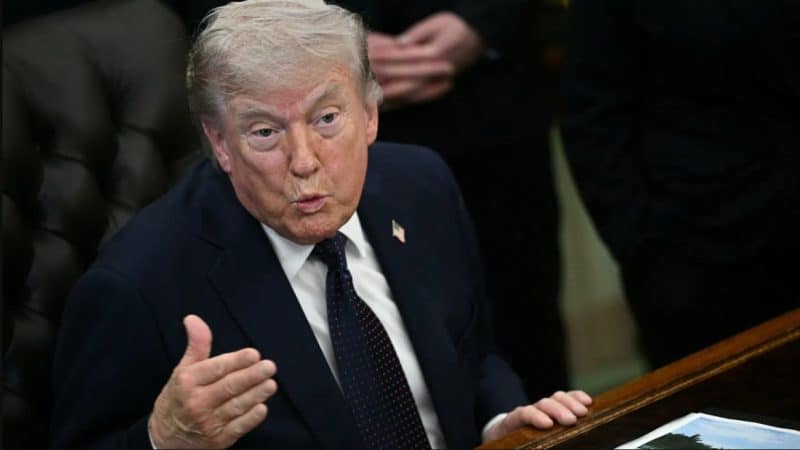
President Trump has instructed his aides to prepare for an extended Iran blockade to compel nuclear capitulation, just three days after rejecting Iran’s offer to reopen the waterway. The president explicitly told reporters he is the one keeping the Strait of Hormuz closed.
Trump had this to say:
“They would have opened it up three days ago. They came to us and they said, ‘We will agree to open the strait.’ So I’m the one that kept it closed. We have total control of it, and it’ll open when they make a deal or something else happens that’s very positive.”
The Strait of Hormuz, which normally carries about 20% of the world’s oil, remains effectively closed due to a dual blockade. Iran initially blocked the waterway through force, and the Trump administration responded by imposing a naval blockade of Iranian ports, with at least 38 ships stopped or turned around so far.
Also Read: Central Banks Hold $4T in Gold vs $3.9T in US Treasuries First Time Since 1996
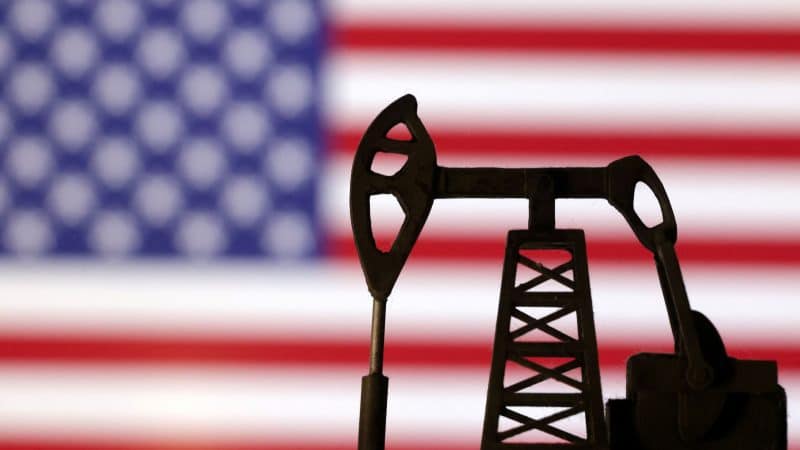
Gas prices have climbed above $4 per gallon, with West Texas Intermediate futures closing at $99.93 per barrel and Brent futures settling at $111.26. Trump acknowledged the pain but said Americans should expect higher gas prices “for a little while,” without specifying a timeline.
The CNBC All-America Economic survey found that nearly 80% of respondents have changed their spending habits in response to higher fuel costs, with a majority expecting elevated prices to persist for at least six months. The Association of Value Airlines is asking the Trump administration for $2.5 billion to offset rising jet fuel costs.
Secretary of State Marco Rubio questioned Iran’s proposal in a Fox News interview, stating:
“What they mean by opening the straits is, ‘Yes, the straits are open, as long as you coordinate with Iran, get our permission, or we’ll blow you up and you pay us.’ That’s not opening the straits. Those are international waterways.”
Energy analyst Andy Lipow warned that even if the Iran blockade ended immediately, it would take months to normalize. Lipow stated:
“The longer the conflict goes on, the higher the price, especially as inventories are drawn down to critical operating levels. If the conflict ended tomorrow, crude oil prices are estimated to drop $10 per barrel.”
As Trump’s Iran war enters its third month with the War Powers Act deadline just three days away on May 1, the administration shows no signs of backing down from its strategy to maintain pressure on Tehran through the ongoing Strait of Hormuz blockade.
Also Read: Clarity Act Hits Wall as Democrats Target Trump Family $1B+ Crypto Empire

Written by Vladimir Popescu
Vladimir Popescu leads editorial coverage at BlockNow, with over 8 years in financial and tech journalism. He previously held editorial leadership roles at Watcher Guru and Windows Report, and has been cited by Forbes for his crypto market coverage.